NASA's Artemis II Moon Mission Launches in 2 Days
Four astronauts are preparing to travel farther than any human has ever gone as NASA's Artemis II mission enters its final countdown with an 80% favorable weather forecast. The 10-day journey around the Moon marks humanity's return to deep space exploration after more than 50 years.
The countdown clock is officially ticking for humanity's return to the Moon, and the world is watching with anticipation.
NASA began the formal 49-hour countdown for Artemis II on Monday afternoon, setting the stage for a Wednesday evening launch at 6:24 p.m. ET from Kennedy Space Center in Florida. The mission will send four astronauts farther into space than anyone has ever traveled before during their 10-day voyage around the Moon.
Engineers are now powering up flight systems, checking communication networks, and preparing to load hundreds of thousands of gallons of super-cooled liquid hydrogen and oxygen into the massive Space Launch System rocket. Ground teams are also filling an enormous water tank that will unleash a protective cascade at liftoff to shield the vehicle from the thunderous roar of its own engines.
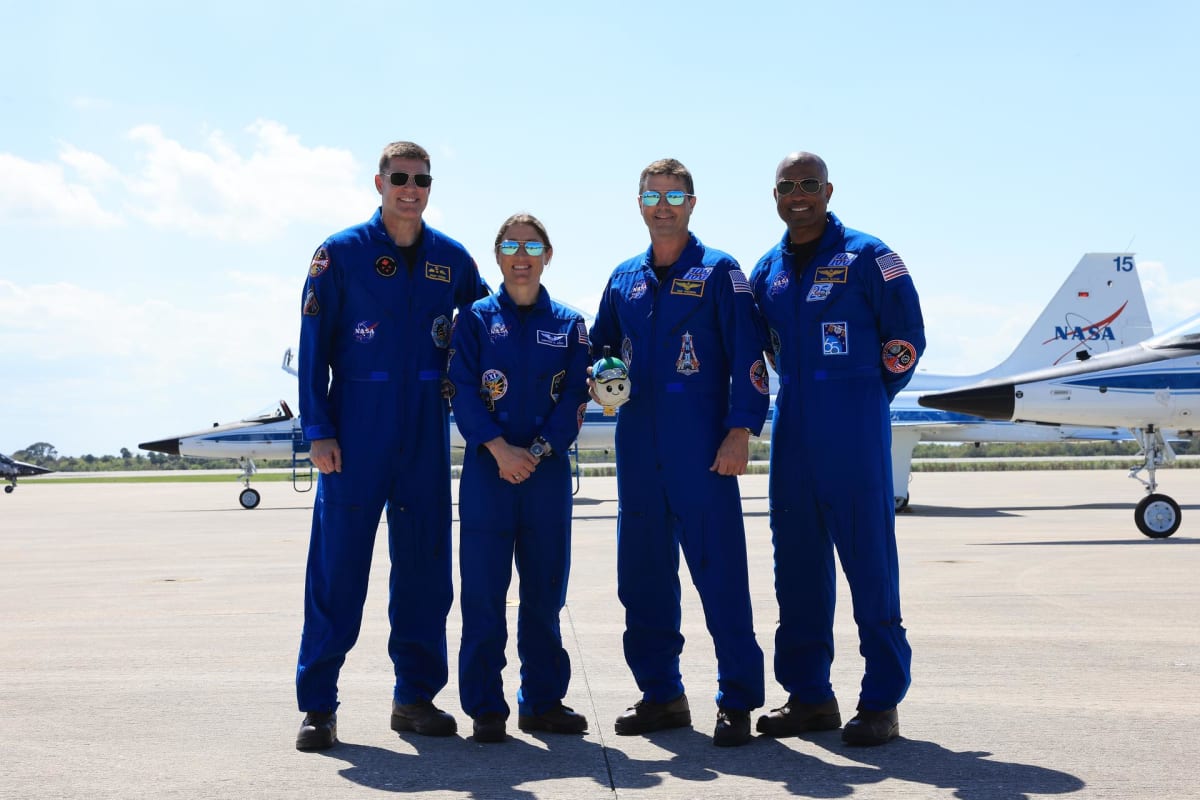
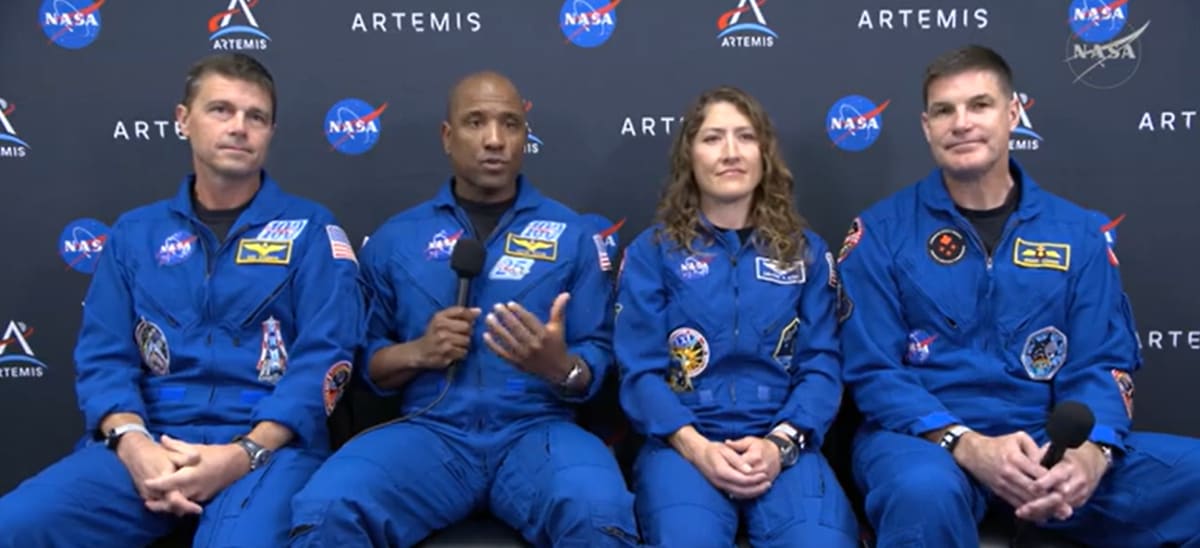
The four crew members are spending their final pre-launch hours with family while maintaining strict health protocols and controlled sleep schedules. They've completed medical checks and are following carefully planned nutrition programs to ensure they're in peak condition for the historic journey aboard the Orion spacecraft, named Integrity.
Weather forecasters are predicting an 80% chance of favorable conditions for launch, with the main concerns being cloud coverage and potential high winds. NASA officials confirmed the spacecraft, systems, and crew all remain on track with no major issues reported.
The mission faced a minor scare when SpaceX's Starlink lost contact with one of its satellites orbiting 560 kilometers above Earth on Sunday. However, the company quickly confirmed the incident poses no risk to the International Space Station, its crew, or the Artemis II launch.
The Ripple Effect
This mission represents more than just a technical achievement. It's rekindling humanity's spirit of exploration and showing what's possible when we push beyond our current limits. The Artemis II crew has spent years preparing for this moment, and their journey will pave the way for future missions that will eventually land astronauts on the lunar surface.
Chief Flight Director Emily Nelson emphasized that the past year or two of intensive preparation has brought the team to this pivotal moment. Mission officials expressed complete confidence in both the spacecraft and the NASA workforce that made this launch possible.
Even space threw a curveball when a major solar flare erupted Sunday night, causing temporary radio blackouts in parts of southeast Asia and Australia. Fortunately, the burst of solar radiation didn't interfere with any critical ground systems or the rocket itself at Kennedy Space Center.
The mission represents humanity's first return to deep space in over half a century, opening a new chapter in lunar exploration. Wednesday's launch window offers the world a front-row seat to history in the making.
More Images
Based on reporting by Google News - Science
This story was written by BrightWire based on verified news reports.
Spread the positivity!
Share this good news with someone who needs it