NASA's Artemis II Takes 4 Astronauts to the Moon April 1
Four astronauts are about to fly closer to the Moon than any human in over 50 years. The mission launches April 1 and could break records while testing systems for a permanent lunar base.
For the first time since 1972, humans are heading back to the Moon, and this time the crew includes both a woman and a Black astronaut showing the world that space truly is for everyone.
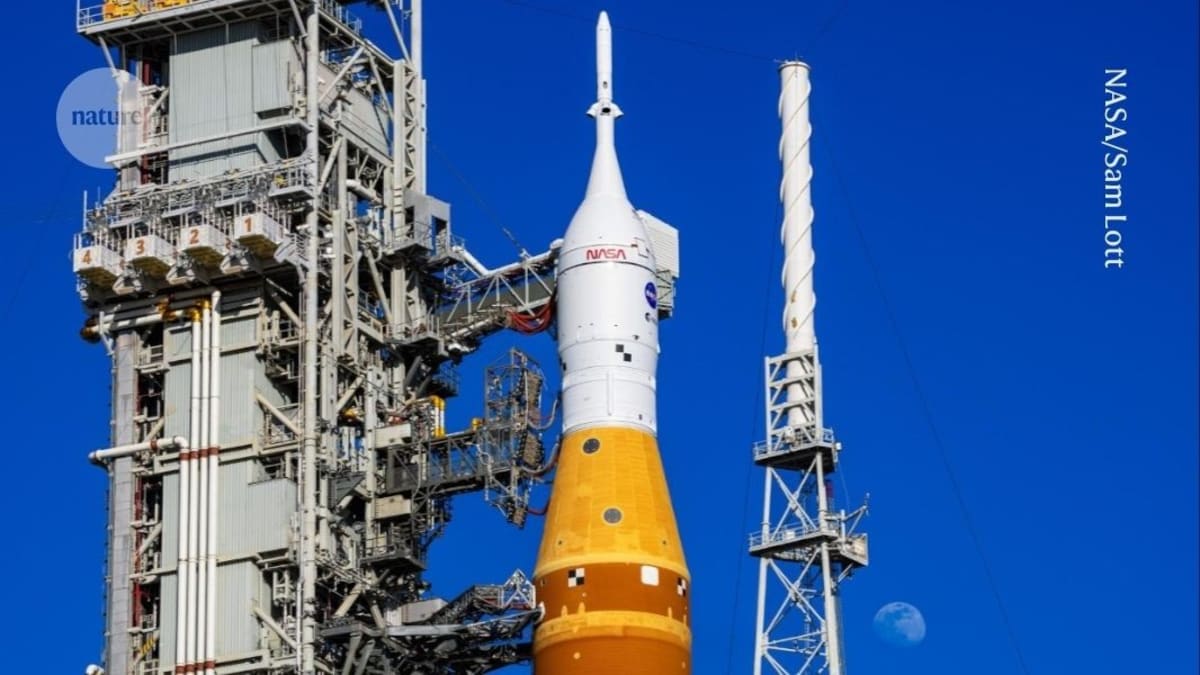
NASA's Artemis II mission launches April 1, sending four astronauts on a ten-day journey that will fly by the Moon as soon as April 6. The crew includes Christina Koch and Victor Glover, whose presence marks a historic shift in who gets to explore space.
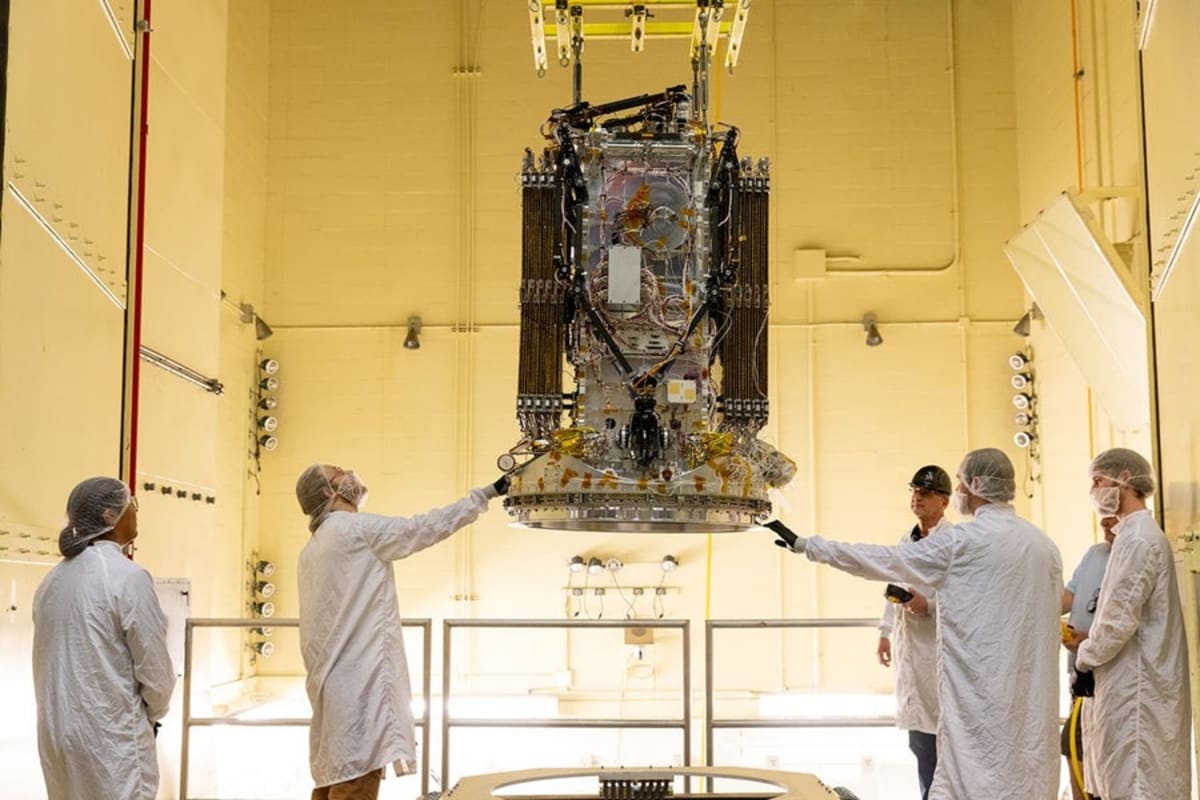
The mission could set a new record for the farthest distance a human has ever traveled from Earth. But the real goal is testing the spacecraft systems needed for something even bigger: landing astronauts on the Moon in 2028 and building a permanent lunar base shortly after.
While some scientists say they're waiting for future missions to get excited, others see the bigger picture unfolding. Catherine Heymans, Astronomer Royal for Scotland, points out that this is just the first step in a long-term plan that will enable groundbreaking science from a human Moon base.
The mission will collect data ranging from geology studies to astronaut health research. These findings will help scientists prepare for the more complex missions ahead, including eventually sending humans to Mars.
Why This Inspires
For computational social scientist Jevin West, missions like this offer something our world desperately needs right now: a reprieve and a reason to look up with hope. In uncertain times, ambitious space exploration reminds us what humanity can achieve when we work together toward bold goals.
John Womersley from the University of Edinburgh says his colleagues genuinely admire that NASA is trying something ambitious again, finally venturing beyond low Earth orbit after decades of staying close to home.
The mission is already capturing imaginations worldwide. Millions of people submitted their names to be carried aboard the Orion spacecraft on a digital memory device, wanting to be part of this historic journey in any way possible.
Young people watching Koch and Glover fly to the Moon will see themselves reflected in the crew. That representation matters because it tells the next generation of scientists, engineers, and explorers that there's a place for them among the stars.
This flyby is just the beginning of humanity's return to the Moon, and the foundation for discoveries we can't yet imagine.
More Images


Based on reporting by Nature News
This story was written by BrightWire based on verified news reports.
Spread the positivity!
Share this good news with someone who needs it