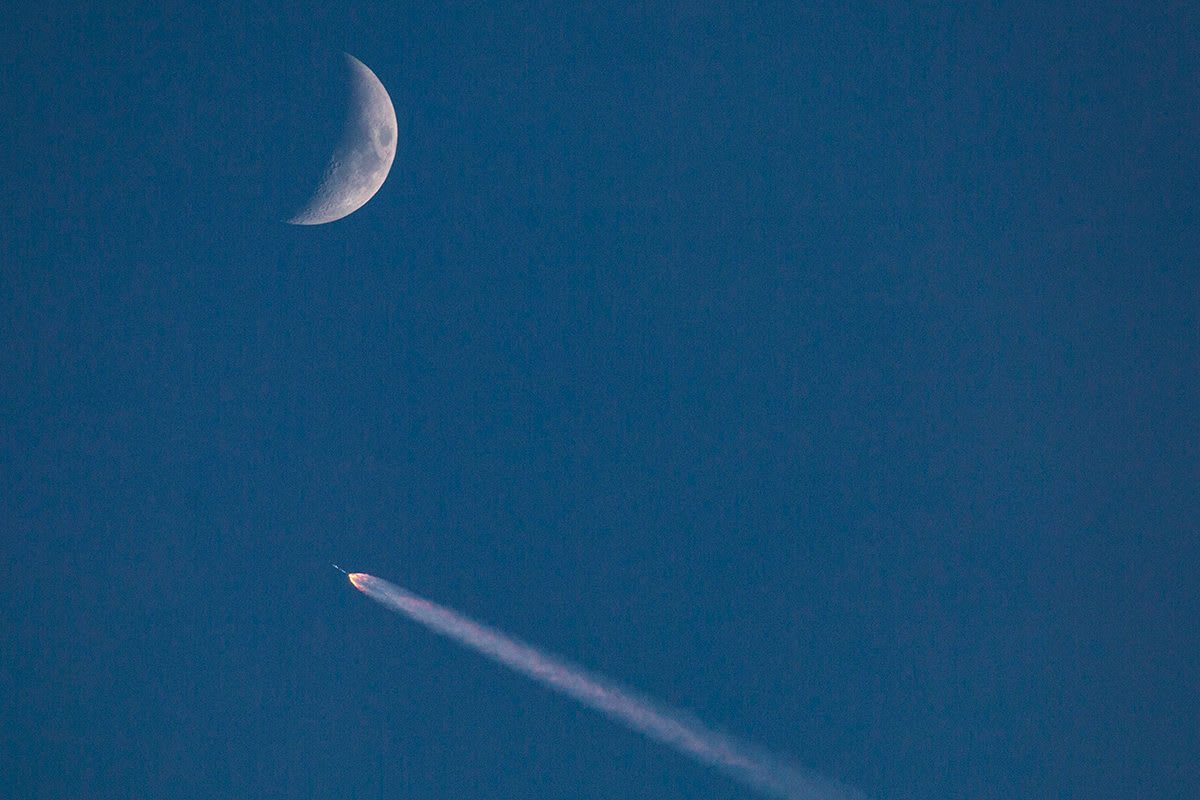
NASA's Artemis Program Sparks Space Tourism Revolution
Four nations are partnering on NASA's Artemis moon mission, creating a ripple effect that's transforming airlines and travel into a future where space tourism becomes reality. What started as lunar exploration is now opening doors for everyday travelers to reach for the stars.
The United States, Switzerland, Canada, and Japan are teaming up to make humanity's return to the Moon a reality, and the benefits are already landing back on Earth in surprising ways.
NASA's Artemis program is doing more than sending astronauts to lunar soil. It's creating a blueprint for commercial space travel that airlines and travel companies are racing to join. Virgin Galactic, SpaceX, and Blue Origin are already selling tickets for suborbital flights, turning what seemed like science fiction into actual vacation plans.
Switzerland is providing critical technology for the Orion spacecraft's service module, showcasing how smaller nations can play huge roles in space exploration. Canada's contribution of the Canadarm3 robotic system will help build and maintain the lunar Gateway, a space station orbiting the Moon. Japan brings decades of satellite expertise to ensure mission success.
Airlines aren't waiting around to see what happens next. Major carriers are partnering with space tourism providers to offer luxury packages that include VIP access to rocket launches and exclusive viewing experiences. These aren't just gimmicks. They're testing the waters for an industry that could one day make booking a space flight as normal as booking a trip across the ocean.
The hospitality sector is getting creative too. Hotels are developing space-themed accommodations and experiences that let Earth-bound guests taste what astronauts enjoy. The knowledge gained from designing life support systems and compact living quarters in space is helping engineers create more sustainable hotels and travel accommodations back home.
The Ripple Effect
This international collaboration proves that when countries work together on ambitious goals, everyone wins. The technology developed for surviving in space's harsh environment is already improving air travel safety systems and aircraft design. Swiss precision engineering, Canadian robotics, and Japanese research are combining with American ambition to push boundaries nobody could reach alone.
The space tourism market is projected to grow rapidly as Artemis missions continue successfully. What costs millions today could become affordable for middle-class families within decades, much like air travel transformed from luxury to necessity over the past century.
Young people watching these missions are choosing careers in aerospace, engineering, and hospitality with fresh eyes on what's possible. Schools report increased interest in STEM subjects whenever Artemis milestones make headlines.
The Moon is just the beginning, with Mars missions already in planning stages. Each successful Artemis launch brings us closer to a future where "astronaut" might be as common a job title as "pilot."
This global partnership shows that reaching for the stars doesn't mean leaving Earth behind—it means bringing everyone along for the ride.
Based on reporting by Google News - Japan Innovation
This story was written by BrightWire based on verified news reports.
Spread the positivity!
Share this good news with someone who needs it