NASA's Cindy Evans Trains Astronauts for Lunar Science
A former oceanographer who dreamed of exploring the Moon is now preparing Artemis astronauts to unlock lunar secrets. Cindy Evans' geology training helped the Artemis II crew capture scientific observations that will shape future missions.
The Artemis II crew didn't just make history by flying around the Moon. They returned with detailed observations of craters and ancient lava flows that will guide future lunar explorers.
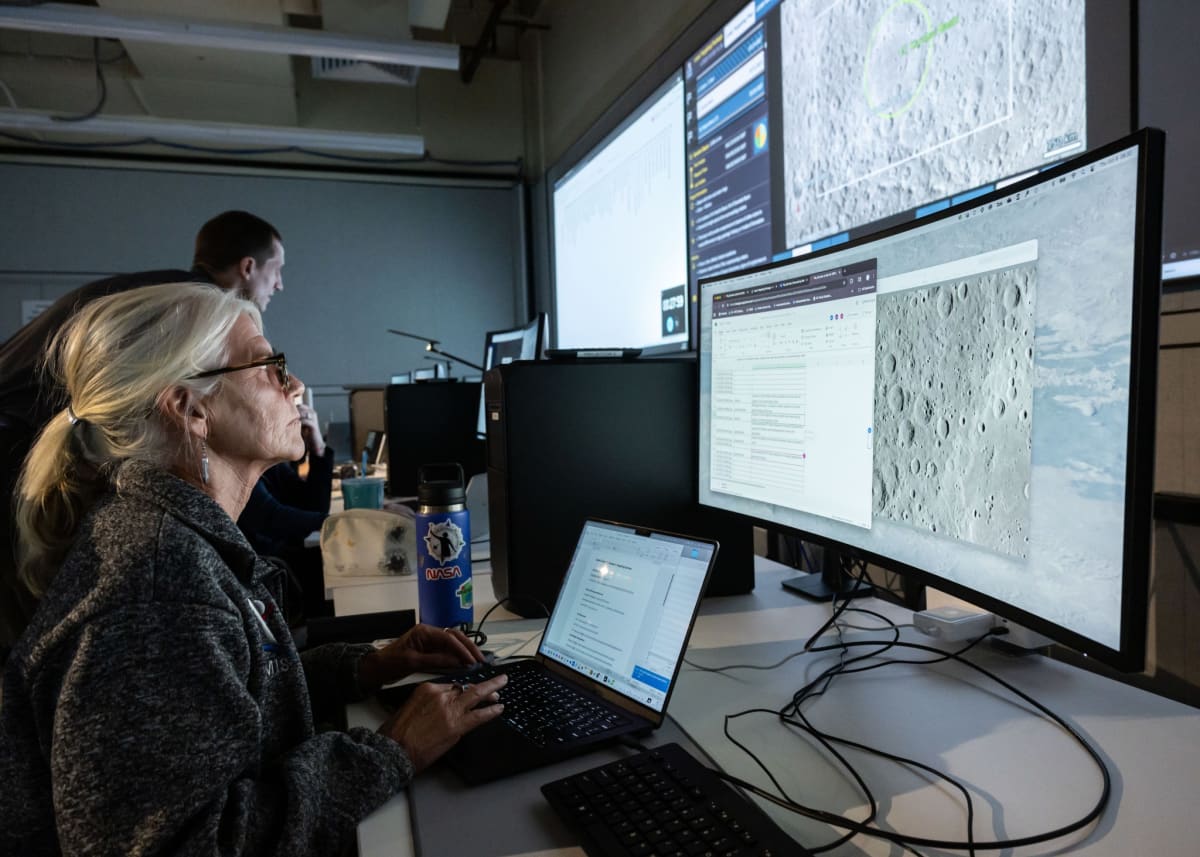
Behind their scientific success stands Cindy Evans, a NASA geologist who spent 37 years turning her childhood dream of exploring the Moon into reality. As the Artemis geology training lead at Johnson Space Center in Houston, she teaches astronauts to see the Moon through a scientist's eyes.
Evans trains crew members to describe shapes, textures, and colors with precision. These details reveal the Moon's geologic history and help scientists understand how our solar system formed. "Artemis astronauts are working on behalf of all scientists to collect clues to the ancient geologic processes that shaped the Moon," Evans explained.
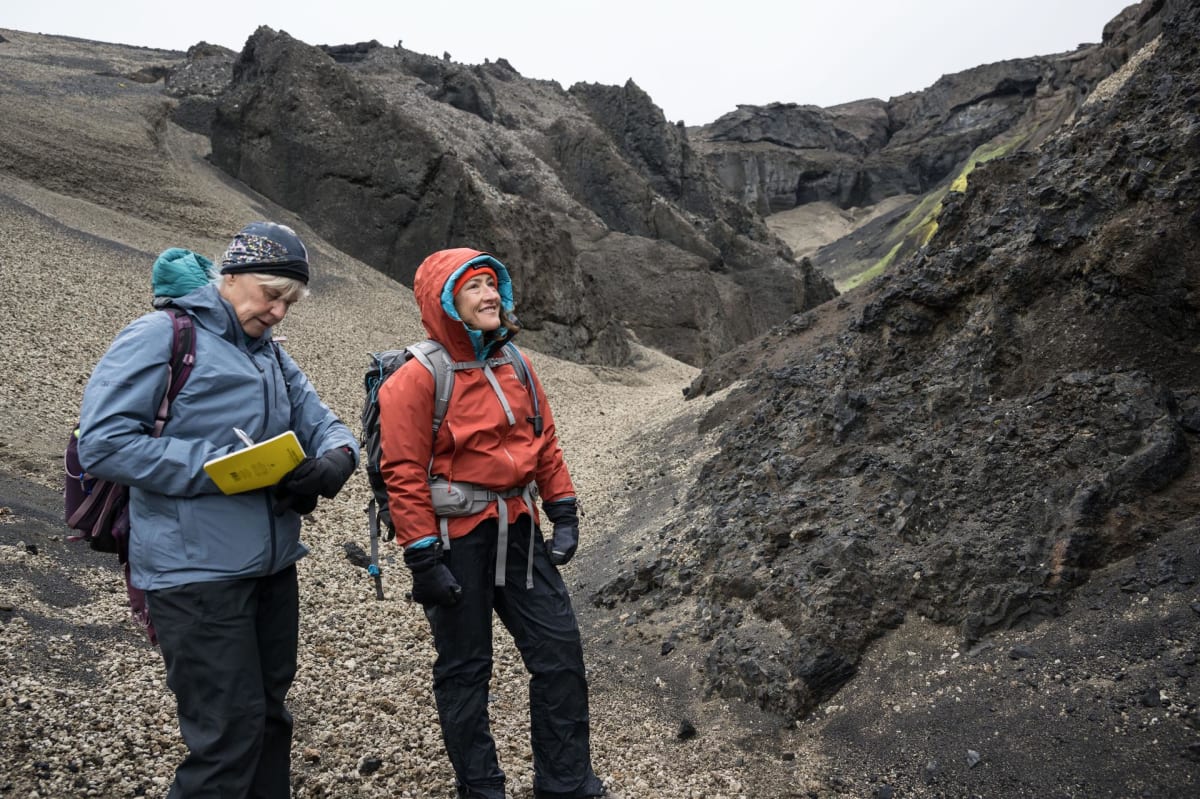
Her training includes classroom lessons and field trips to locations that mirror lunar landscapes. In August 2024, she took the Artemis II crew to Iceland to study volcanic features similar to those on the Moon. The hands-on practice builds the muscle memory astronauts need when they're orbiting at thousands of miles per hour or walking the lunar surface.
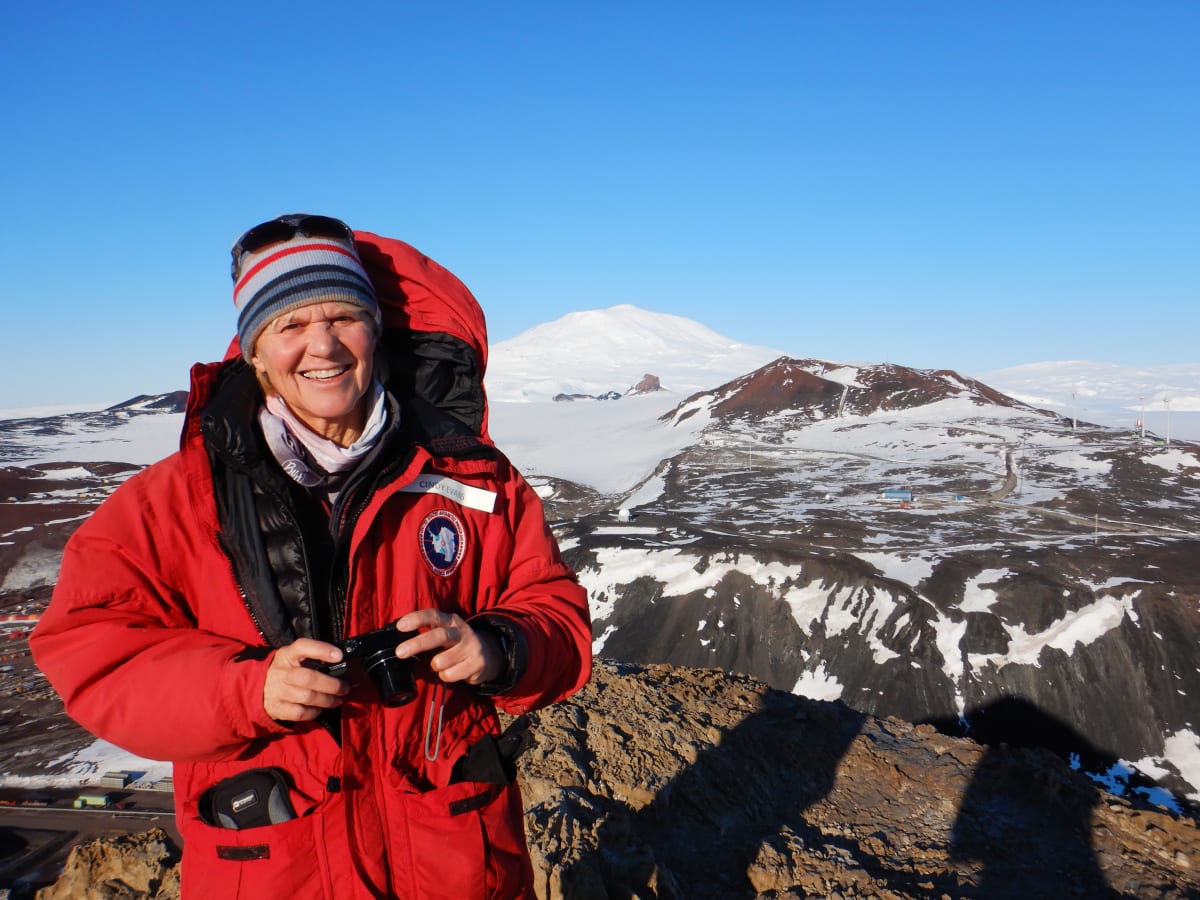
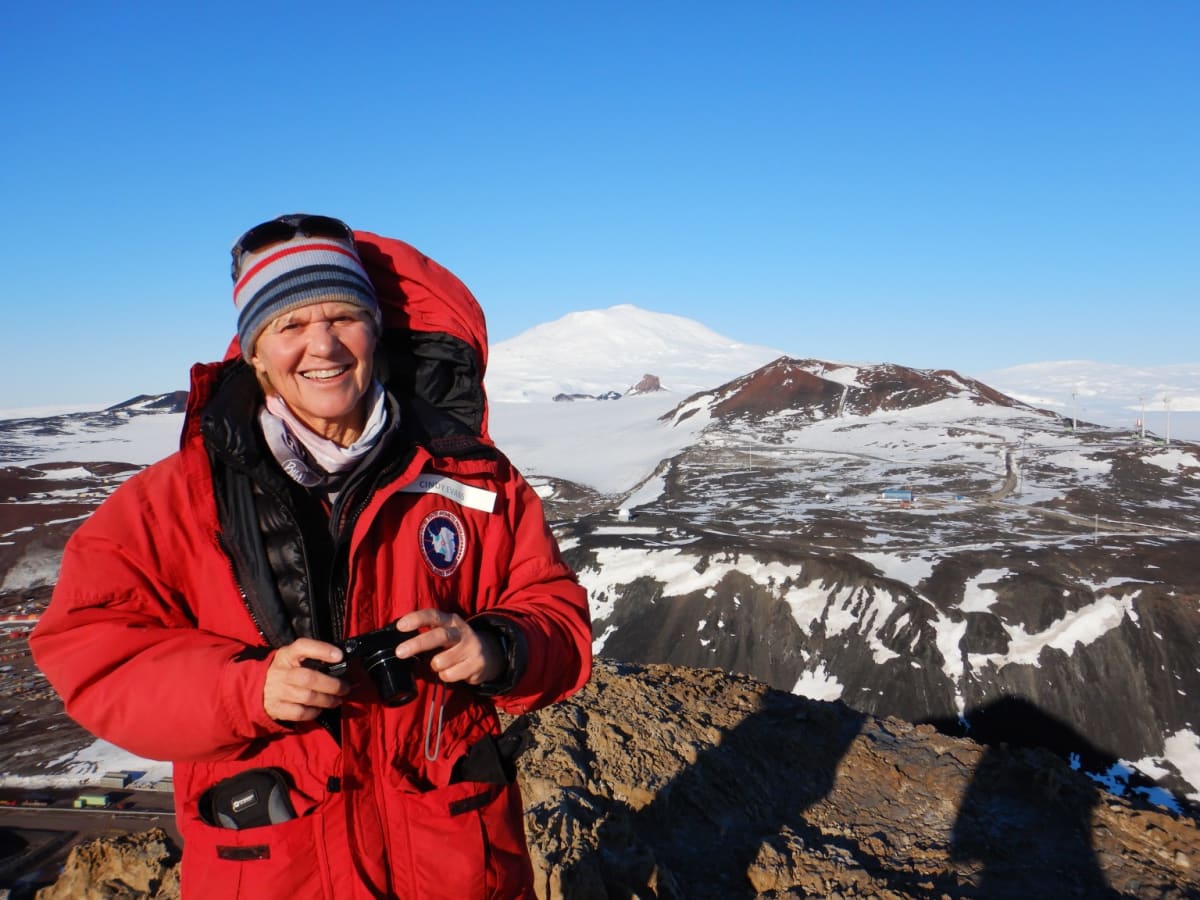
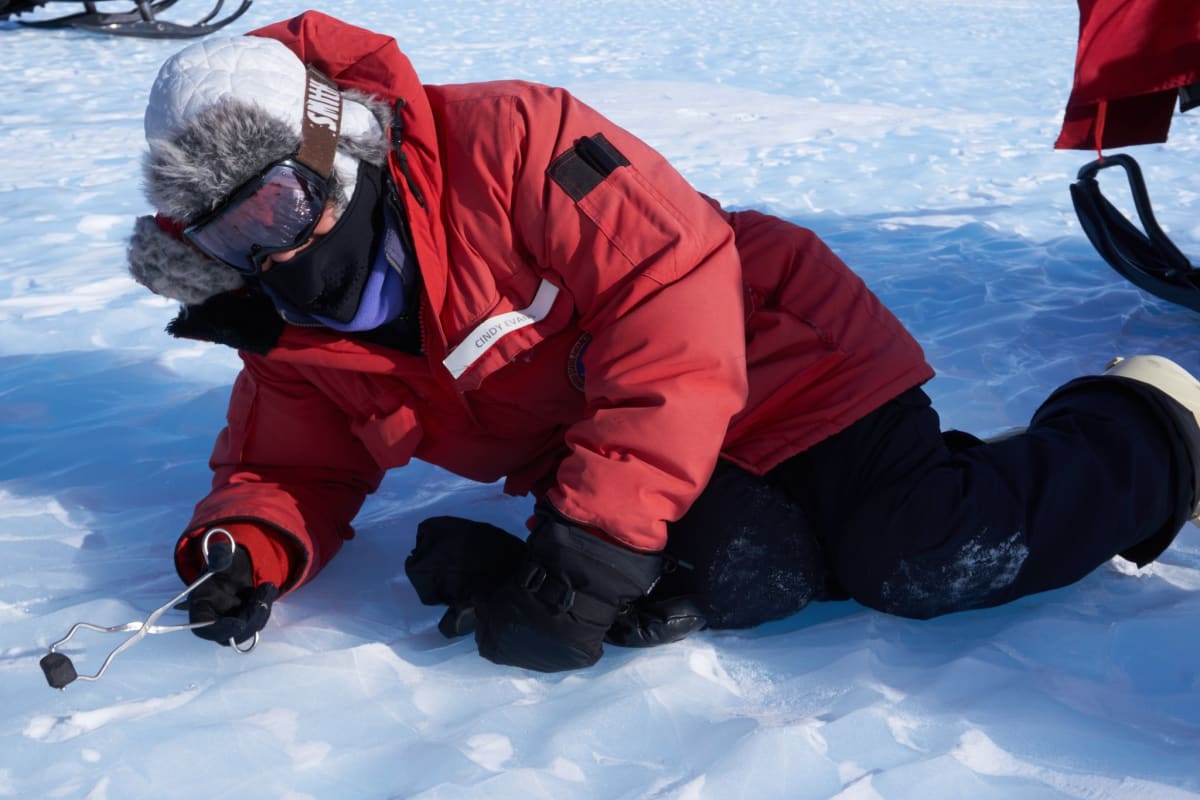
Evans' path to NASA started in the ocean, not space. As an oceanographer studying rocks on the ocean floor, she imagined becoming an astronaut. While she never wore a flight suit, her career took her to equally extreme environments, including two expeditions to Antarctica to collect meteorites.
"Few things in this world are as wonderful as camping on blue ice just a couple hundred miles from Earth's South Pole and collecting rocks from space," she said. Those deep-field geology sessions prepared her to design training that pushes astronauts beyond their comfort zones.
Throughout her NASA career, Evans contributed to the Space Shuttle Program, Shuttle-Mir, and the International Space Station. She established the Crew Earth Observations program that equipped astronauts to photograph our changing planet. After the Columbia accident, she helped develop the shuttle's imagery inspection process for Return to Flight missions.
Why This Inspires
Evans' story shows how dreams can evolve into something even better than imagined. She didn't reach the Moon as an astronaut, but her work ensures that those who do go will bring back discoveries that benefit everyone on Earth.
Her interdisciplinary approach, connecting geology with engineering and operations, created a training program that transforms astronauts into field scientists. The Artemis II crew's successful observations prove her methods work.
For aspiring scientists and engineers, Evans offers simple advice: stay flexible and build connections across different fields. "Plans can change. Don't pass up opportunities, even if an opportunity isn't an obvious or intuitive next step," she said.
As NASA prepares for Artemis missions that will land astronauts on the Moon's surface, Evans' training becomes even more critical. Future crews will collect rock samples, analyze soil, and make observations that could reshape our understanding of the solar system. Thanks to her preparation, they'll be ready to make every moment on the Moon count for science.
More Images
Based on reporting by NASA
This story was written by BrightWire based on verified news reports.
Spread the positivity!
Share this good news with someone who needs it