NASA's Curiosity Rover Wraps 2-Year Mars Boxwork Mission
After two years studying unusual rock formations on Mars, NASA's Curiosity rover is completing its "boxwork campaign" with stunning discoveries. The findings could unlock secrets about Mars' ancient past and potential for life.
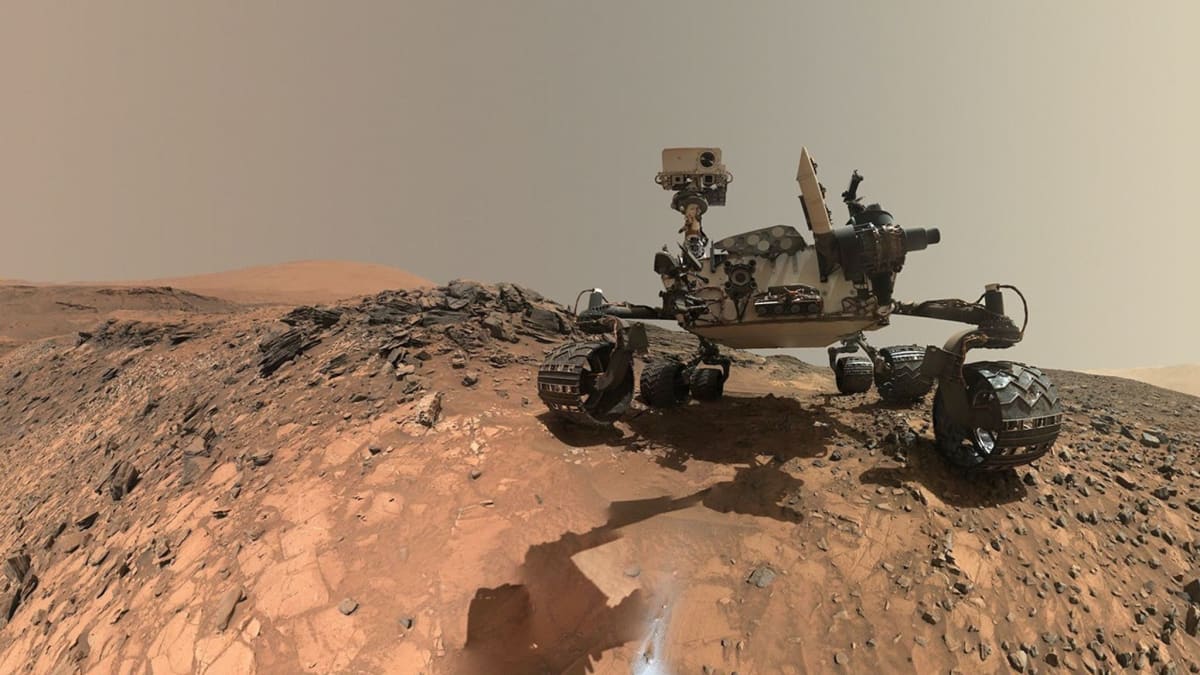
NASA's Curiosity rover is closing out one of its most intriguing missions yet after spending two years exploring mysterious rock formations called "boxworks" on Mars.
The rover team, who affectionately call themselves the "Fracture Townies," began planning this campaign two years before Curiosity even reached the boxwork unit. Now, after months of detailed study, the robot explorer is preparing to move on with a treasure trove of data that scientists will analyze for years to come.
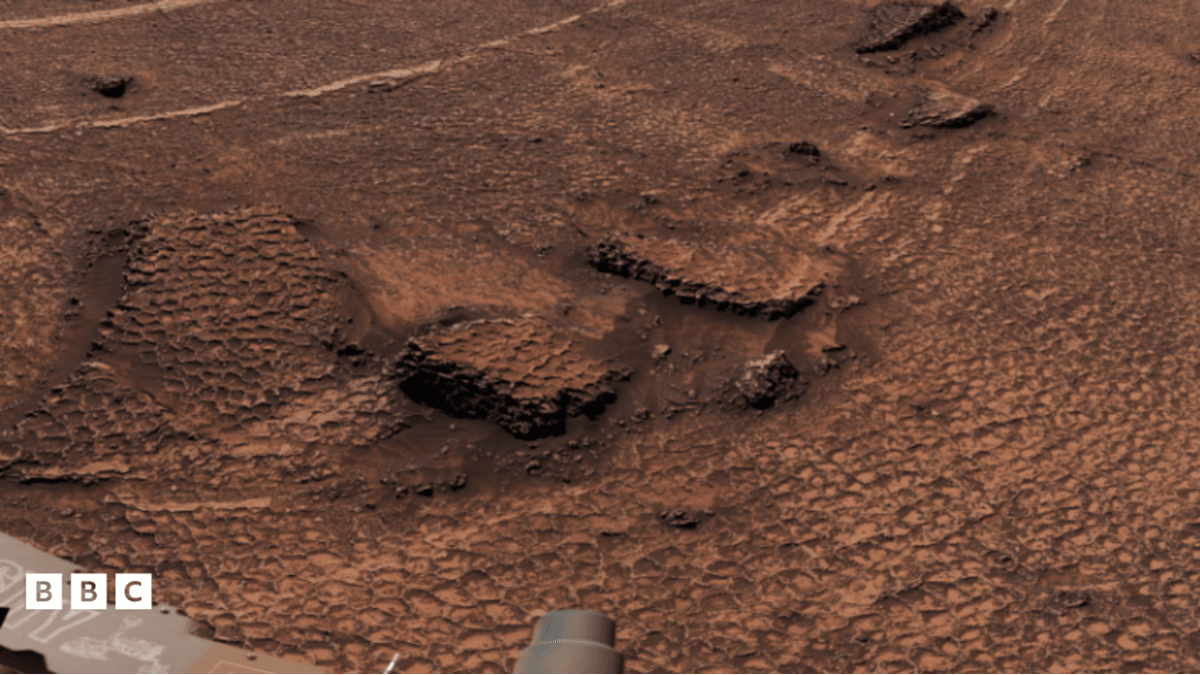
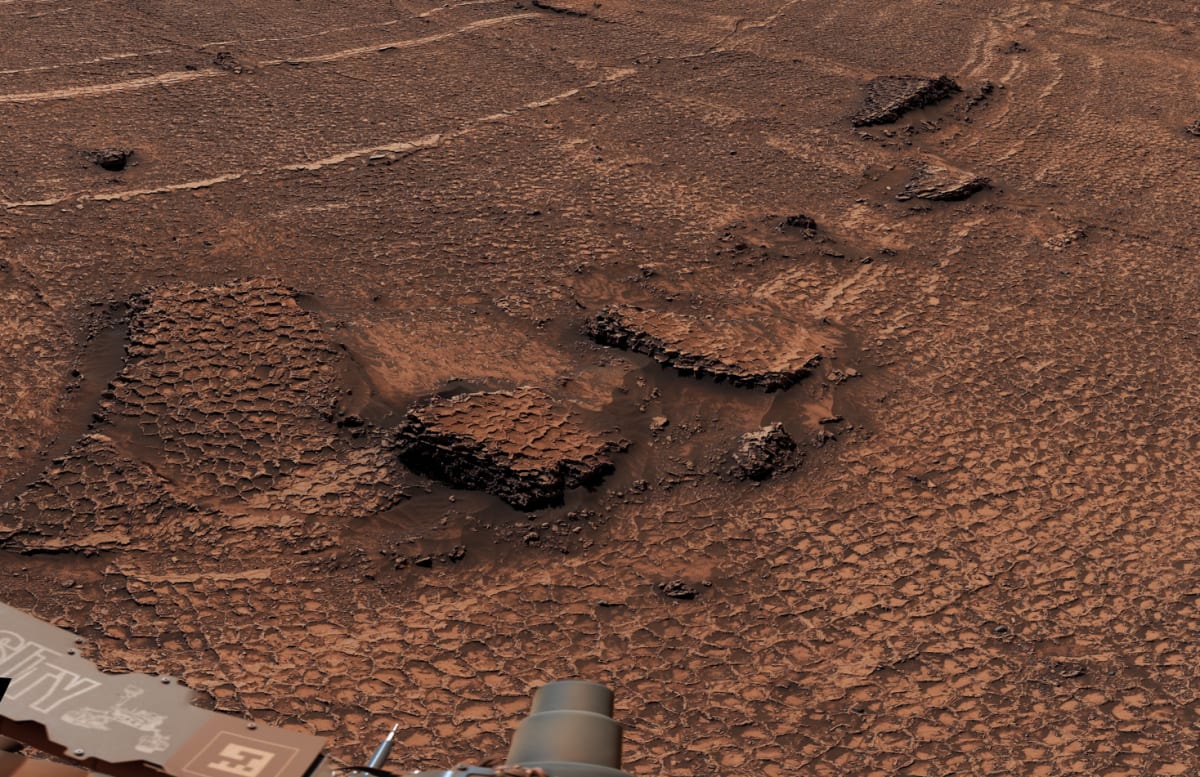
In its final weeks at the site, Curiosity captured breathtaking images of the boundary between the boxwork rocks and an underlying layer of sulfate minerals. These contact zones hold crucial clues about how Mars evolved over billions of years.
The rover used its advanced camera system to create massive photo mosaics, including one sprawling image made from 57 separate frames. It also brushed away Martian dust to analyze rocks with names like "Piedras Bonitas" and "Jaruma," all named after locations in South America's Andes mountains.
Catherine O'Connell-Cooper, a scientist from the University of New Brunswick who helped plan the mission, described the bittersweet feeling of wrapping up the campaign. The team collected so much valuable data that they won't have time to feel sad about leaving.
Curiosity didn't just focus on rocks during its stay. The rover continued monitoring Mars' atmosphere for dust devils and tracking environmental changes that help scientists understand the planet's weather patterns.
Why This Inspires
This mission showcases humanity's remarkable ability to explore worlds beyond our own with precision and patience. A robot the size of a car, operating 140 million miles from Earth, spent two years methodically studying rocks that might reveal whether Mars once supported life.
The dedication of the international science team, planning for years and executing flawlessly across that vast distance, demonstrates what we can achieve when curiosity drives us forward. Every brushed rock and captured image brings us closer to answering fundamental questions about our place in the universe.
The rover's next 75-foot drive will carry it toward new mysteries. After more than 4,800 Martian days on the Red Planet, Curiosity continues its journey of discovery, reminding us that the best adventures often lie just beyond the horizon.
More Images



Based on reporting by NASA
This story was written by BrightWire based on verified news reports.
Spread the positivity!
Share this good news with someone who needs it