NASA's $4B Roman Space Telescope Ready for 2026 Launch
NASA just finished building a revolutionary space telescope that will scan 100 times more sky than Hubble, unlocking secrets about how our universe formed. The Nancy Grace Roman Space Telescope launches as soon as fall 2026 to hunt distant planets and probe the mysteries of dark matter.
NASA's newest eye on the cosmos is ready to change how we see the universe, and the space agency is showing it off to the world this week.
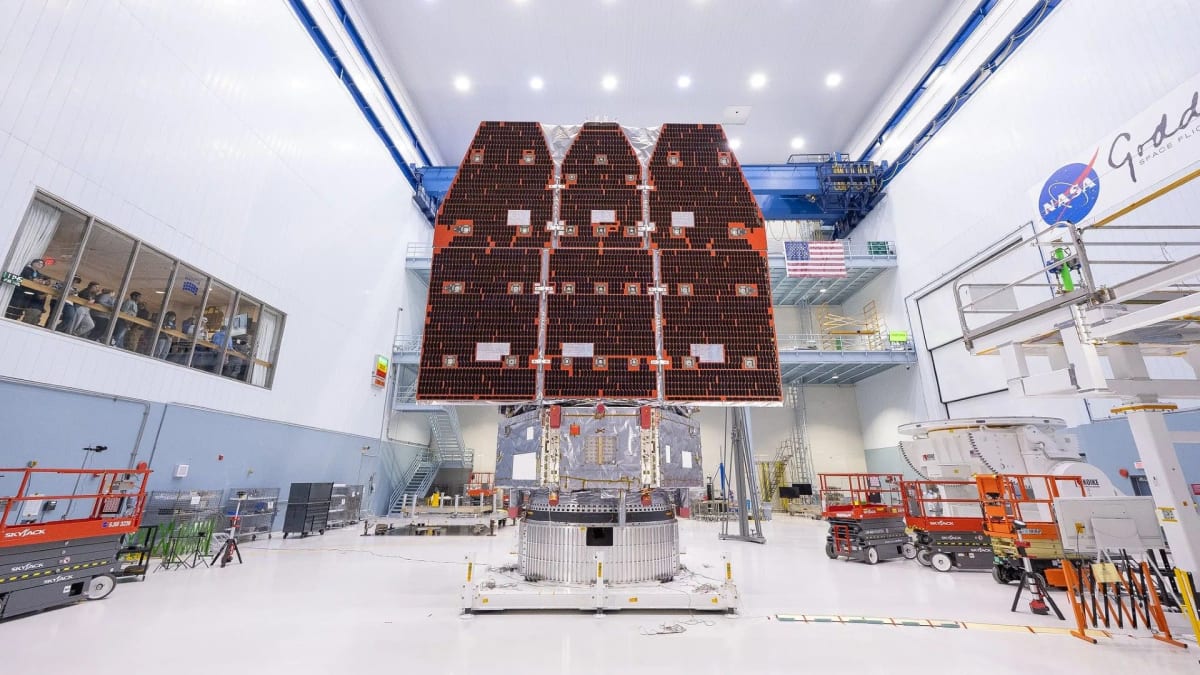
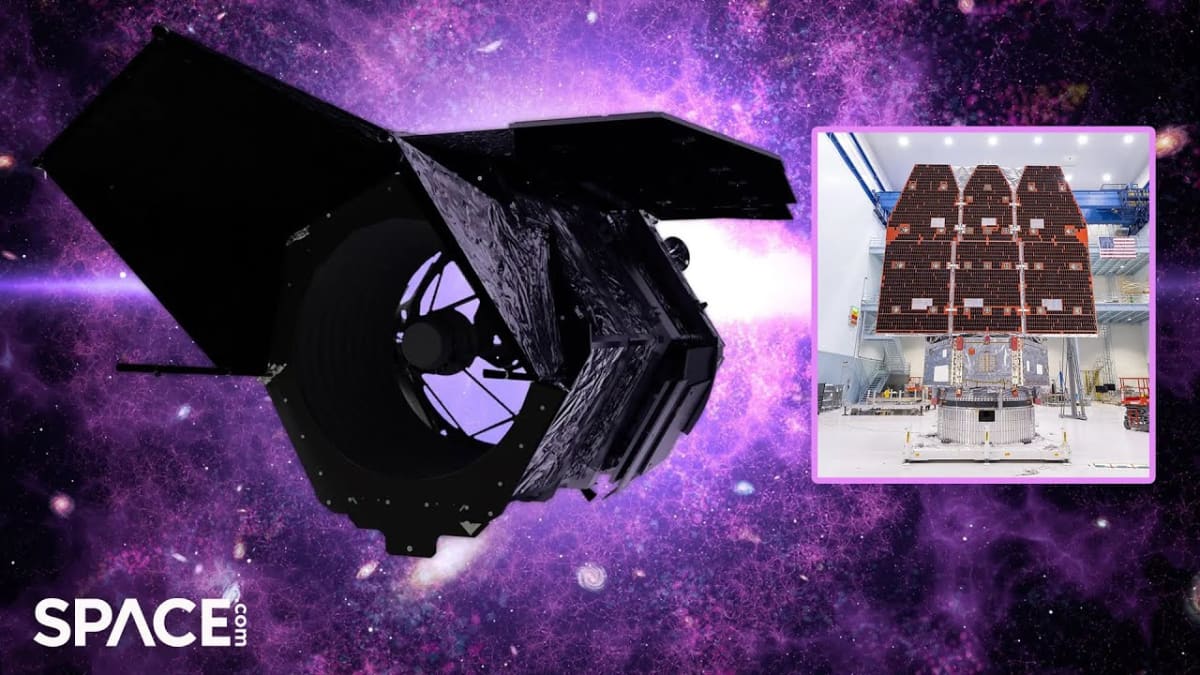
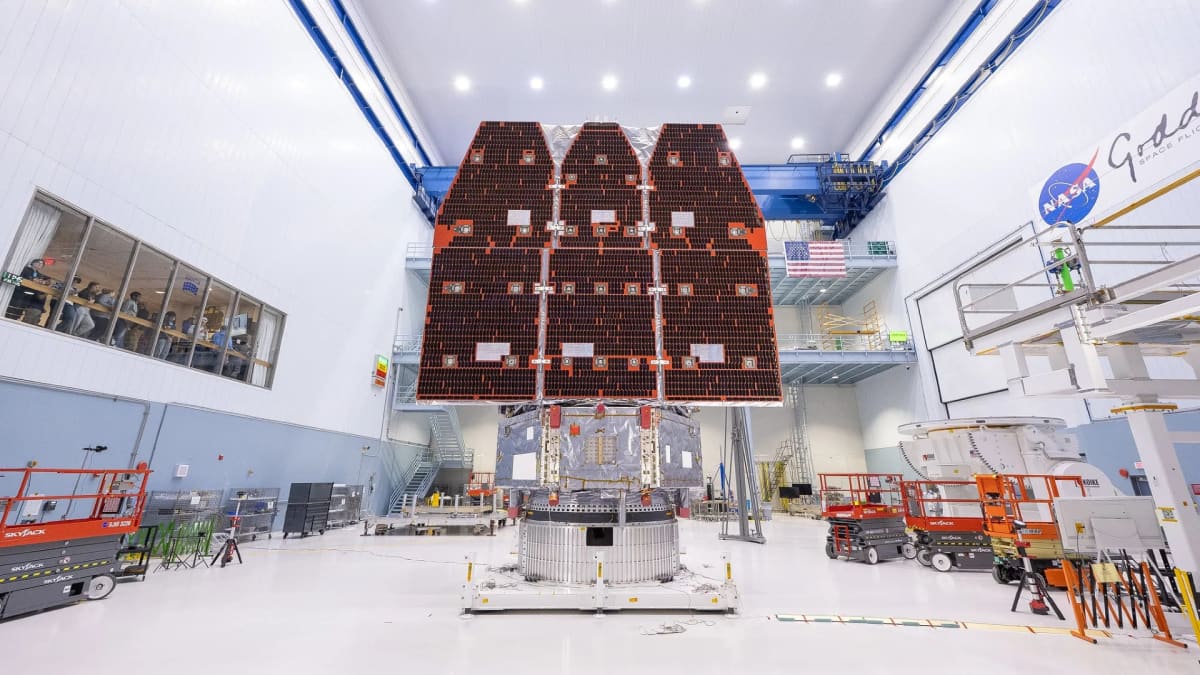
The Nancy Grace Roman Space Telescope officially completed assembly at NASA's Goddard Space Flight Center in Maryland. This marks a major milestone for the $4 billion mission designed to answer some of humanity's biggest questions about how the universe formed and evolved.
Roman packs the same mirror size as the legendary Hubble Space Telescope at 8 feet across. But here's where it gets exciting: Roman will capture a field of view 100 times larger than Hubble's, meaning it can survey massive swaths of sky in single snapshots.
Think of it this way: Hubble is like using a microscope to study individual cells, while Roman acts like stepping back to see the whole organism. Both approaches reveal different truths about our cosmic neighborhood.
The telescope will launch aboard a SpaceX Falcon Heavy rocket between fall 2026 and May 2027. Right now, it's undergoing final testing before making its last Earth journey to Kennedy Space Center in Florida.
The Ripple Effect
Roman's wide-angle vision will transform multiple fields of astronomy at once. The telescope will map large-scale structures of galaxies and stars, helping scientists understand how dark matter and dark energy shaped the universe's expansion over billions of years.
One of its most exciting missions focuses on the Milky Way's central bulge, where Roman will hunt for exoplanets using gravitational lensing. This technique uses bent starlight from distant objects to spot planets as they pass in front of stars, revealing worlds we could never detect otherwise.
The discoveries could help answer whether planets like Earth are common or rare. Each new world Roman finds adds another piece to the puzzle of how planetary systems form and whether life might exist beyond our solar system.
NASA Administrator Jared Isaacman and the mission team will unveil the fully assembled telescope at a briefing, celebrating years of engineering and scientific collaboration. The telescope honors Nancy Grace Roman, NASA's first chief astronomer, who paved the way for space telescopes and championed Hubble's development.
From dark energy mysteries to alien worlds, Roman is poised to write the next chapter in humanity's quest to understand our place in the cosmos.
More Images


Based on reporting by Google News - Science
This story was written by BrightWire based on verified news reports.
Spread the positivity!
Share this good news with someone who needs it