NASA's $4B Roman Telescope Sees First Starlight
NASA's Nancy Grace Roman Space Telescope just reached a major milestone on its journey through space, capturing its first starlight with a camera 100 times more powerful than Hubble. The $4 billion telescope survived budget battles and launched early, now heading toward discoveries that could solve astronomy's biggest mysteries.
After years of uncertainty and budget fights that nearly killed the project, NASA's Nancy Grace Roman Space Telescope just proved it works by capturing its first photons of starlight from deep space.
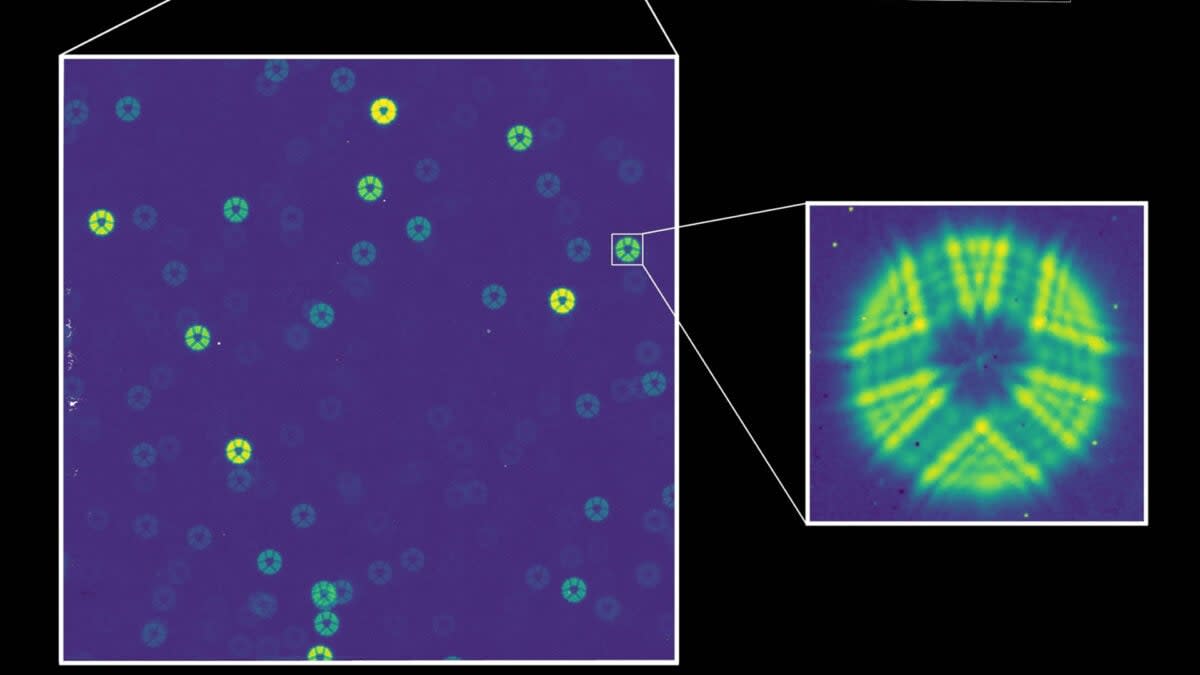
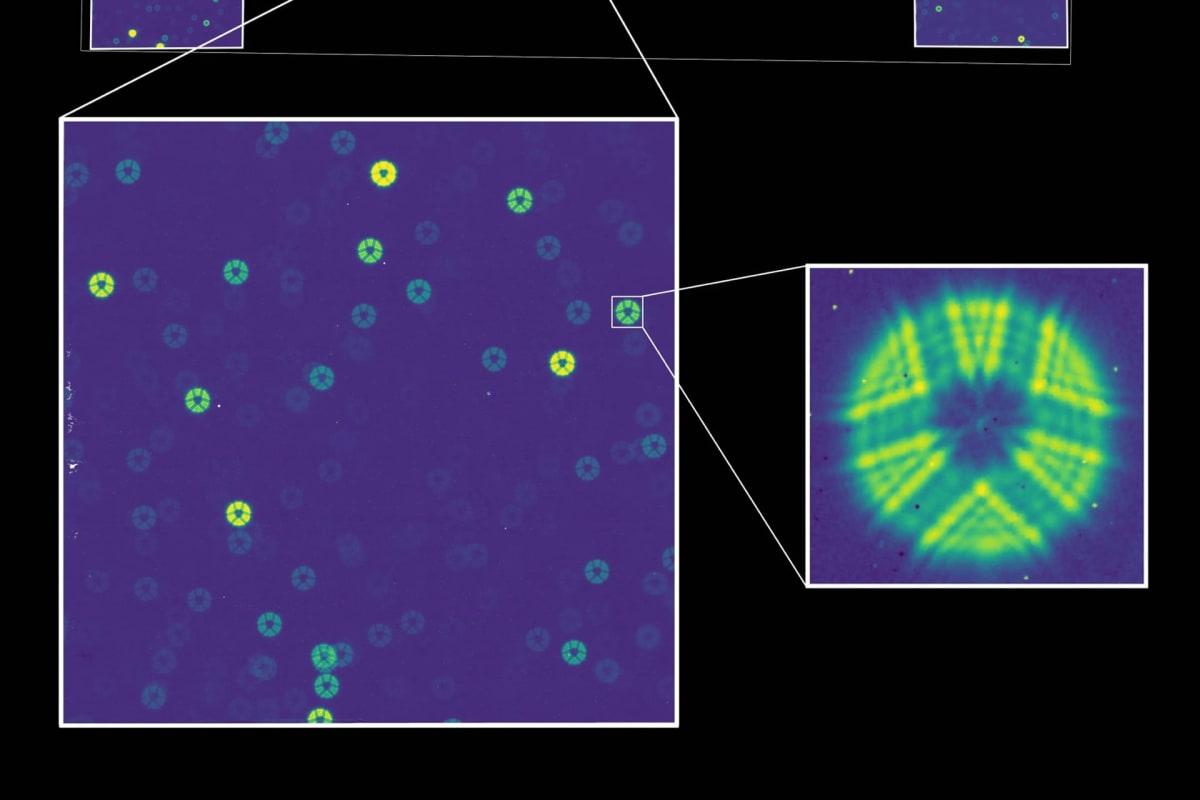
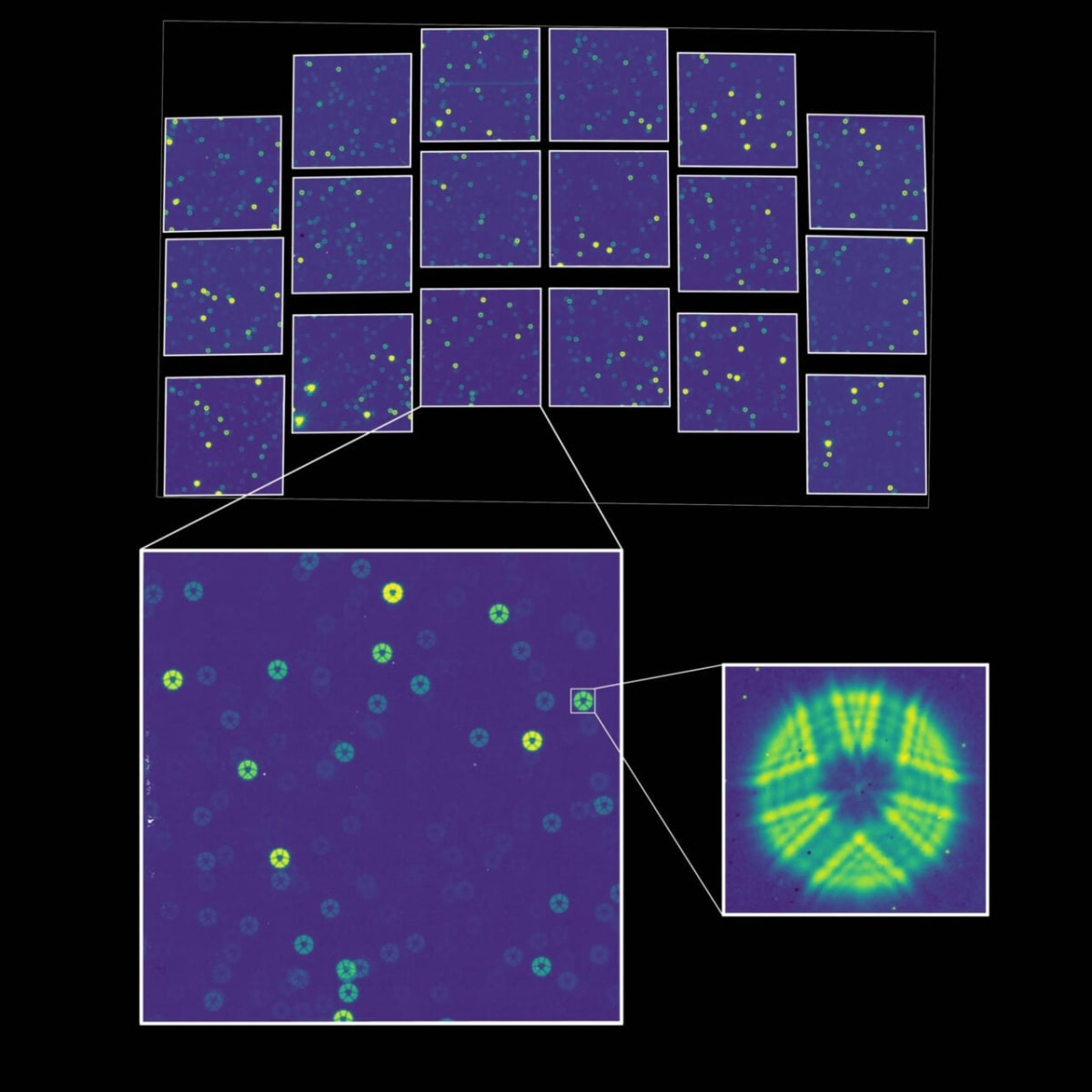
The telescope's 300-megapixel infrared camera successfully activated on Thursday as Roman travels toward its final destination 1.5 million kilometers from Earth. Scientists at NASA's Goddard Space Flight Center shared the first test images, showing fuzzy, donut-shaped stars glowing green, yellow, and blue against a cosmic backdrop.
Those blurry circles aren't a problem. The camera is still cooling down and hasn't been focused or calibrated yet, so once it's fully deployed, those adorable donuts will sharpen into brilliant points of light revealing the universe in unprecedented detail.
"After years of effort to build and test the instrument on the ground, we now have confirmation that it is operational in space," said Josh Schlieder, an instrument scientist with NASA. "There is much to do, but we are on our way to groundbreaking science."
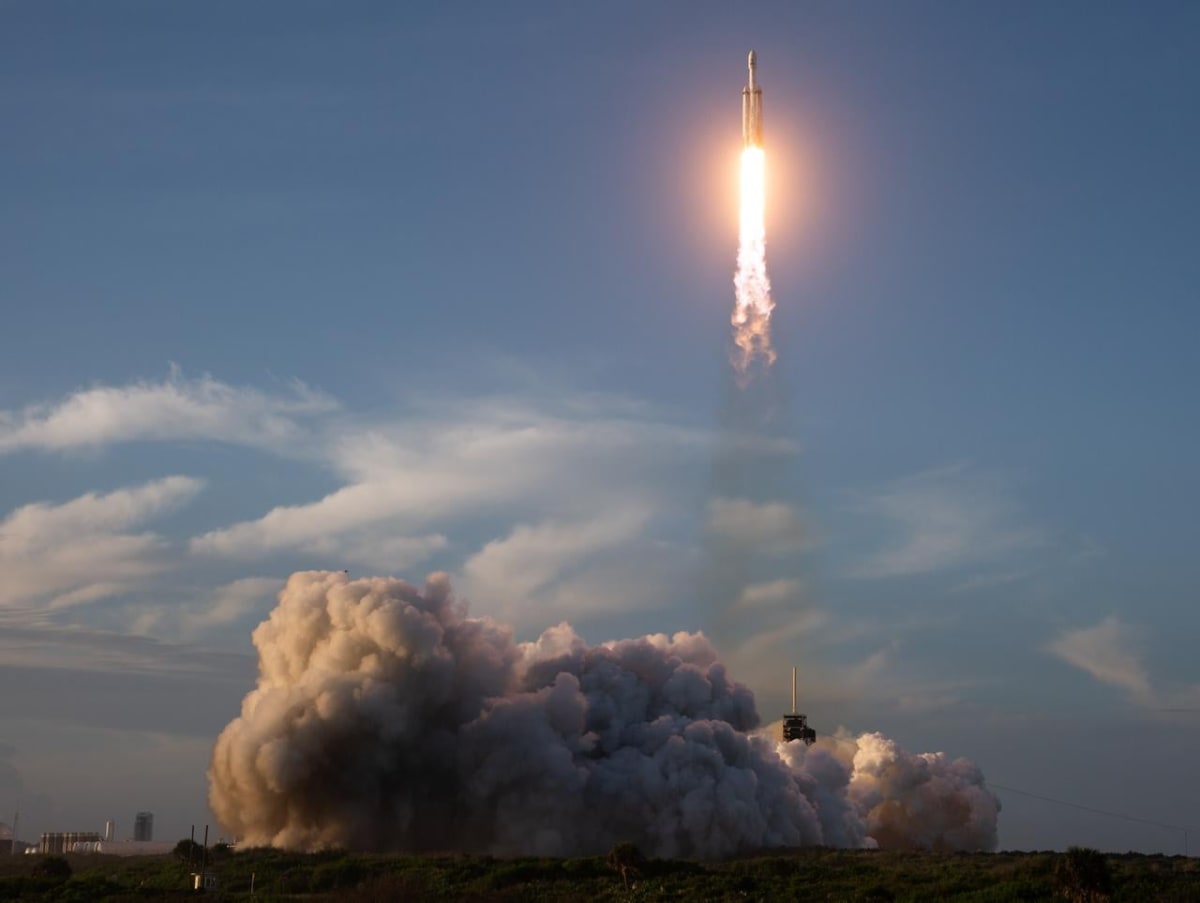
The telescope launched in August 2025 aboard a SpaceX Falcon Heavy rocket, actually beating its original 2027 launch date despite facing repeated threats of cancellation. Some experts say Roman brings the power of "200 Hubbles" to space exploration.
Like the James Webb Space Telescope, Roman studies the universe using infrared light. But its observation range spans roughly 100 times larger than Hubble's, meaning it can capture enormous swaths of the cosmos in single images while maintaining incredibly high resolution.
Why This Inspires
Roman survived not just the technical challenges of building a revolutionary space telescope, but the very human challenge of funding and political will. Scientists and engineers kept working through years of budget uncertainty because they believed in the mission's potential to answer fundamental questions about our universe.
Now their persistence is paying off. The telescope is heading to the second Sun-Earth Lagrange point, the same cosmic neighborhood where Webb resides, and its mission was just extended from 10 to 22 years thanks to a better-than-expected launch that conserved fuel.
Over the next 30 days, researchers will continue monitoring Roman's systems and soon activate its fine-guidance system, allowing it to lock onto specific targets. Then the real work begins.
Roman will tackle three enormous scientific objectives: understanding dark matter, measuring how fast the universe is expanding, and discovering planets outside our solar system. These questions represent some of astronomy's toughest puzzles, the kind that keep scientists up at night searching for answers.
The telescope's thermal controls are working perfectly, keeping those laptop-sized infrared detectors at precisely the right temperature. Every system check brings scientists closer to the moment when Roman will start returning groundbreaking data about our universe's deepest secrets.
After Hubble revolutionized our view of space for decades and Webb stunned us with impossibly detailed cosmic images, Roman is ready to show us something we've never seen before: the universe at breathtaking scale and clarity combined.
More Images
Based on reporting by Google News - Science
This story was written by BrightWire based on verified news reports.
Spread the positivity!
Share this good news with someone who needs it