NASA's First Medical Evacuation From Space a Total Success
When a Crew-11 astronaut needed medical care unavailable in space, NASA brought all four crew members home early in a flawless operation. The team landed safely in the Pacific Ocean after 170 days aboard the International Space Station, proving the agency's emergency plans work perfectly when needed.
When one of four astronauts aboard the International Space Station needed medical treatment only available on Earth, NASA proved it could handle the unexpected with grace.
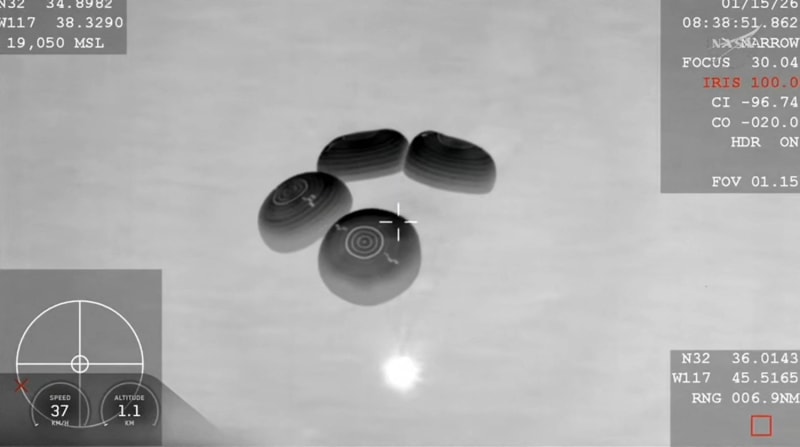
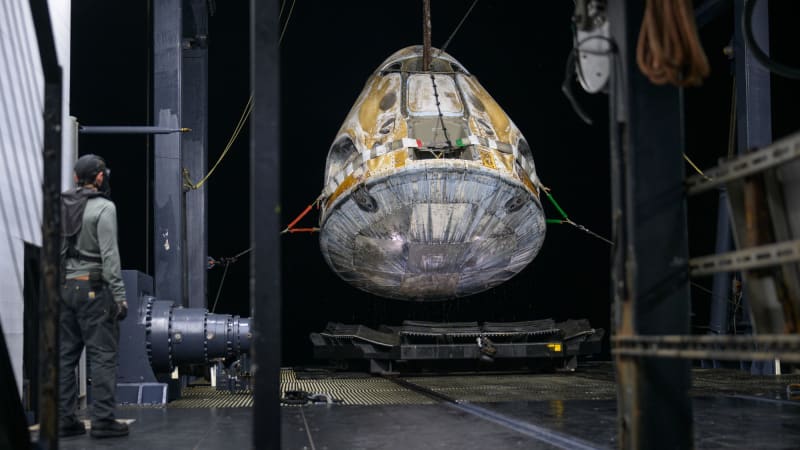
The SpaceX Crew-11 mission ended weeks ahead of schedule on January 15 when their Dragon capsule splashed down safely in the Pacific Ocean near San Diego. All four crew members are doing fine, and the astronaut who needed medical attention is recovering well.
NASA Administrator Jared Isaacman stressed this was never an emergency situation. The agency simply made the call to bring everyone home early so one crew member could get proper care. "This is exactly why we train, and this is NASA at its finest," Isaacman said at a post-landing press conference.
The mission was anything but wasted time. The crew spent just under 170 days in space and completed roughly 900 hours of hands-on science experiments. Those experiments covered about 140 different studies that will help future missions to the moon and Mars through NASA's Artemis program.
NASA's Deputy Associate Administrator Joel Montalbano celebrated what the crew accomplished. Their work directly supports humanity's next giant leaps in space exploration.
This marks the first time NASA has ever evacuated crew members from the space station for medical reasons. The smooth operation showed years of preparation and planning paid off exactly when it mattered most.
Why This Inspires
Isaacman, who flew on SpaceX's first all-civilian spaceflight and commanded the first civilian spacewalk, knows the risks of space travel firsthand. He pointed out that uncertainty is simply part of exploration. "Fundamentally, we're in space to learn," he explained. "It's why NASA prepares for the unexpected so we are ready to respond decisively and safely."
The successful return demonstrates how far space travel has come. NASA and SpaceX worked together seamlessly to adjust plans, launch the return mission, and recover the crew without incident.
The International Space Station now hosts just three people until the next crew arrives. NASA's Crew-12 mission is scheduled to launch February 15, returning the station to full capacity.
Looking ahead, NASA is preparing for even bigger milestones. Artemis 2, the agency's first crewed mission to the moon since 1972, could launch as early as February 6.
Space exploration always carries risks, but this mission proved that careful preparation transforms potential problems into success stories worth celebrating.
More Images




Based on reporting by Google News - Science
This story was written by BrightWire based on verified news reports.
Spread the positivity! 🌟
Share this good news with someone who needs it