NASA's Moon Astronauts Stay On to Train Next Generation
Two astronauts who just returned from circling the Moon aren't fully retiring. Instead, they're becoming NASA's first "astronaut emeriti," staying connected to mentor the next crews while pursuing careers outside the agency.
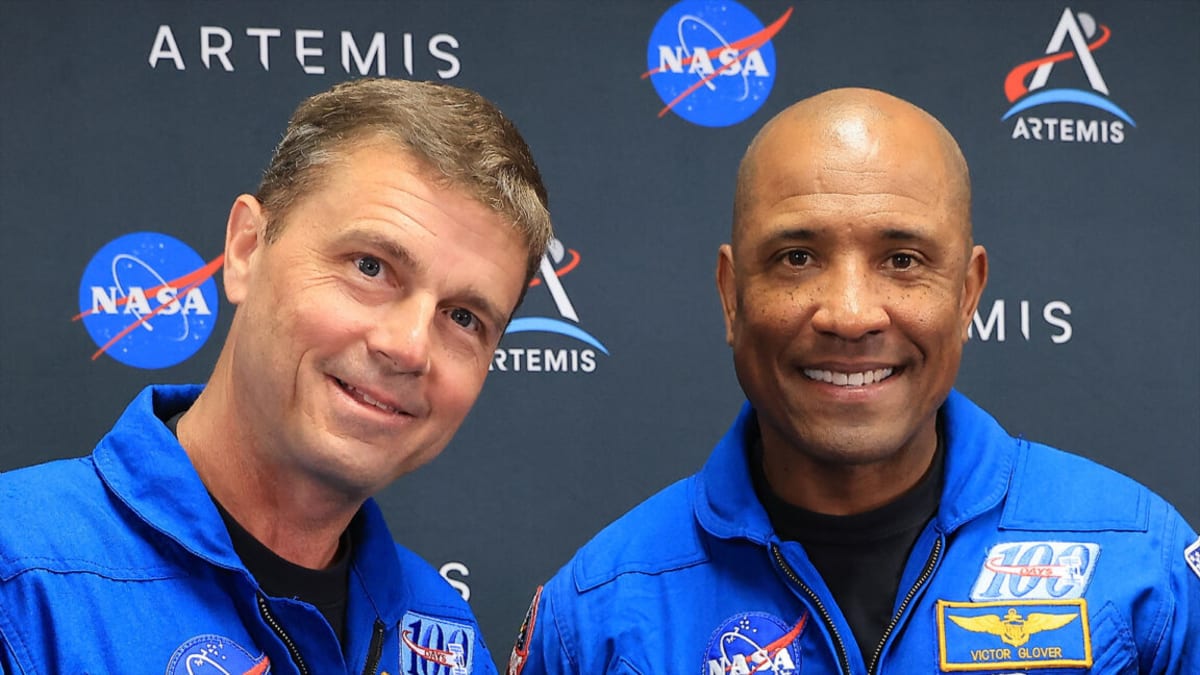
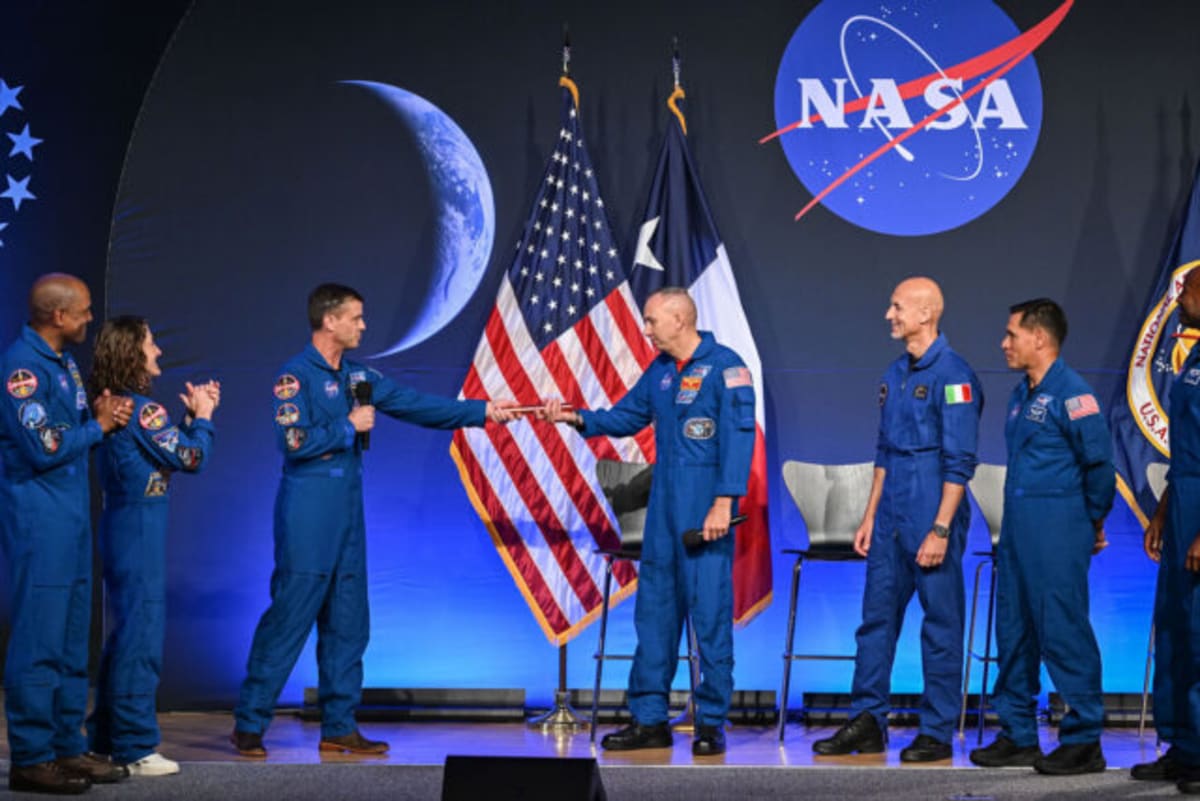
Five months after splashing down from their historic Moon mission, Artemis II astronauts Reid Wiseman and Victor Glover are breaking new ground again. They've become NASA's first astronaut emeriti, a program that lets them keep training future space explorers while building careers beyond the agency.
The emeritus status is borrowed from academia, where groundbreaking scientists retire but stay connected to their work. For Glover and Wiseman, it means they can share hard-won knowledge about living in NASA's Orion spacecraft without being on the payroll.
"I have asked NASA to not use the term 'retire' as much," Glover told reporters Wednesday. He's taking a leadership role at his alma mater, California Polytechnic State University, helping shape the school's future while volunteering his expertise to NASA's Artemis III crew.
Glover plans to attend training simulation runs and help establish the United States Space Academy for NASA and the US Space Force. "This signals exactly what I care about: building the future of the technical workforce leaders," he said.
The timing couldn't be better. Artemis III launches no earlier than mid-2027, and those astronauts will test crucial rendezvous and docking systems in low-Earth orbit before attempting a Moon landing.
Other astronauts have taken leave or returned to NASA before, but this emeritus program makes the arrangement official. Glover and Wiseman will reapply each year they want to stay involved.
Why This Inspires
What makes this story special isn't just about two talented astronauts extending their service. It's about NASA recognizing that experience matters and finding creative ways to keep that wisdom accessible.
Glover's commitment speaks volumes about his priorities. He's volunteering his time, receiving no compensation, because he believes in preparing the next generation. "For as long as NASA can use my services, I will provide," he said.
The program also signals NASA's evolution. By creating formal pathways for retired astronauts to stay connected, the agency acknowledges that spaceflight expertise is too valuable to lose when someone hangs up their spacesuit.
Future moon missions will benefit directly from Glover and Wiseman's recent experience. They know what living in Orion feels like, what challenges arise, and what future crews should prepare for. That knowledge transfer could make the difference in mission success.
The astronauts themselves seem energized by this new chapter. Glover hopes NASA never makes him "go fully retired," and his enthusiasm for shaping young engineers and scientists is contagious.
This emeritus program proves that retirement doesn't have to mean goodbye, and that the best mentors are those who recently walked the path themselves.
More Images


Based on reporting by Ars Technica
This story was written by BrightWire based on verified news reports.
Spread the positivity!
Share this good news with someone who needs it