NASA's Moon Rocket Rolls to Launchpad for Historic Flight
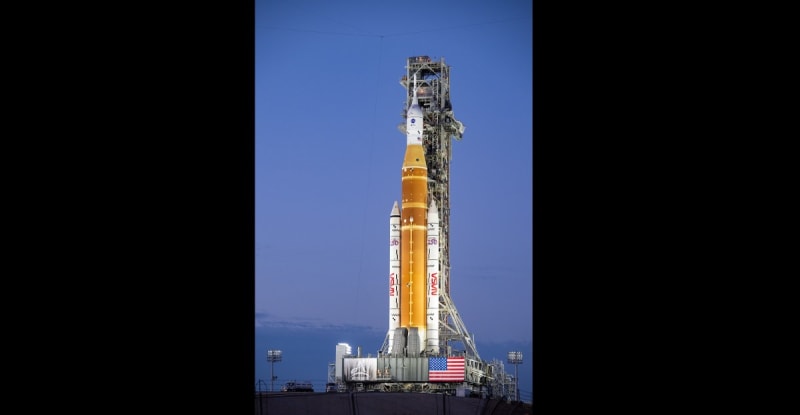
For the first time in over 50 years, four astronauts are preparing to fly to the Moon. NASA's massive Artemis II rocket just completed its slow crawl to the launchpad, bringing humanity one giant step closer to returning to lunar orbit.
The journey to the Moon started with a journey of four miles.
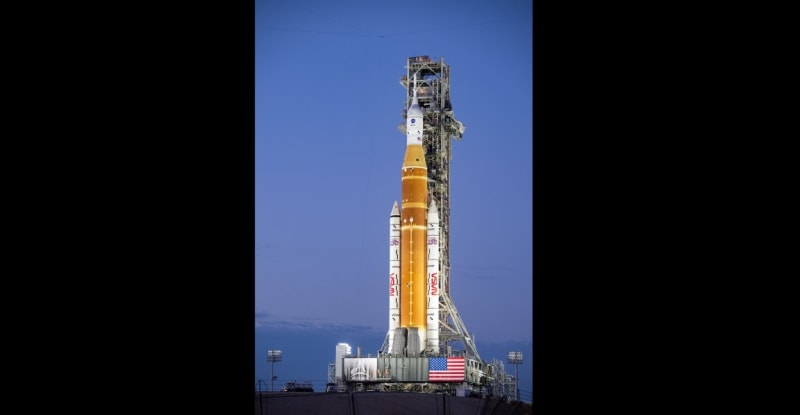
On Saturday, NASA's towering Space Launch System rocket inched its way across Kennedy Space Center at just one mile per hour, riding atop a massive crawler-transporter from its assembly building to the launchpad. The trek lasted until nightfall, marking a milestone moment for a mission that will make history: Artemis II.
Four astronauts are now closer than ever to becoming the first humans to visit the Moon since 1972. Commander Reid Wiseman will lead the ten-day mission alongside NASA colleagues Victor Glover and Christina Koch, plus Canadian Space Agency astronaut Jeremy Hansen.
The crew represents several firsts. Glover will be the first Black man to fly by the Moon, Koch the first woman, and Hansen the first non-American to join a lunar mission.
The astronauts won't land on the Moon just yet. Instead, they'll fly closely around it, testing critical life support systems that will pave the way for the next mission, Artemis III, when astronauts will actually step onto the lunar surface.
Before anyone blasts off, NASA has important work to do. Engineers will now conduct a wet dress rehearsal, loading over 700,000 gallons of super-chilled liquid propellant into the rocket's tanks and running through a complete mock countdown without actually igniting the engines.
The earliest launch window opens between February 6 and February 11. If conditions aren't perfect, the next opportunity comes in March.
The Ripple Effect
This mission means more than four people visiting the Moon. It represents decades of work by thousands of engineers, scientists, and dreamers who refused to give up on lunar exploration.
The technology tested on Artemis II will inform future missions that could establish a permanent human presence on the Moon. Those lunar bases could one day serve as stepping stones for even more ambitious journeys to Mars and beyond.
"This is the start of a very long journey," said NASA Administrator Jared Isaacman as he watched the rocket reach its launchpad. For the four astronauts preparing to make history, that journey is just beginning.
More Images
Based on reporting by Futurism
This story was written by BrightWire based on verified news reports.
Spread the positivity!
Share this good news with someone who needs it