NASA's New Moon Suit Lets Astronauts Kneel and Jump
After 50 years, astronauts are heading back to the moon with a game-changing space suit that finally lets them move like humans. The new design solves one of space exploration's biggest challenges: staying safe while staying mobile.
Imagine trying to explore a new world while wearing an inflated balloon that fights every movement you make. That's what Apollo astronauts dealt with in 1972, but the next generation of moon walkers won't have that problem.
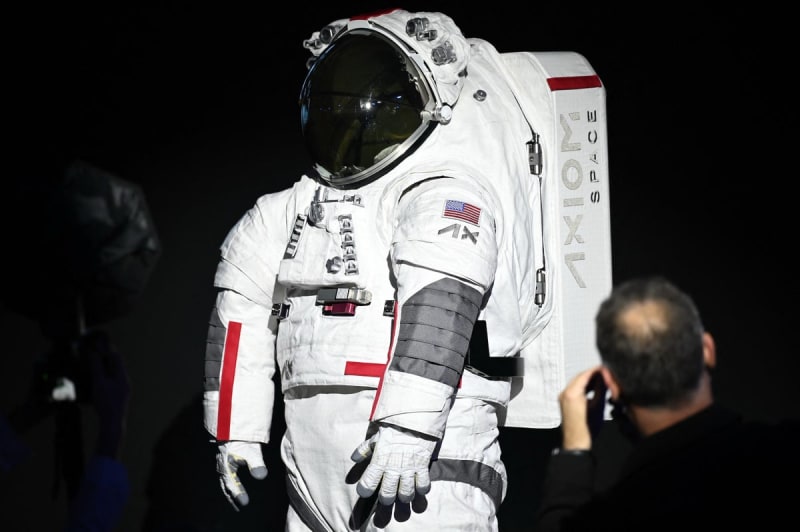
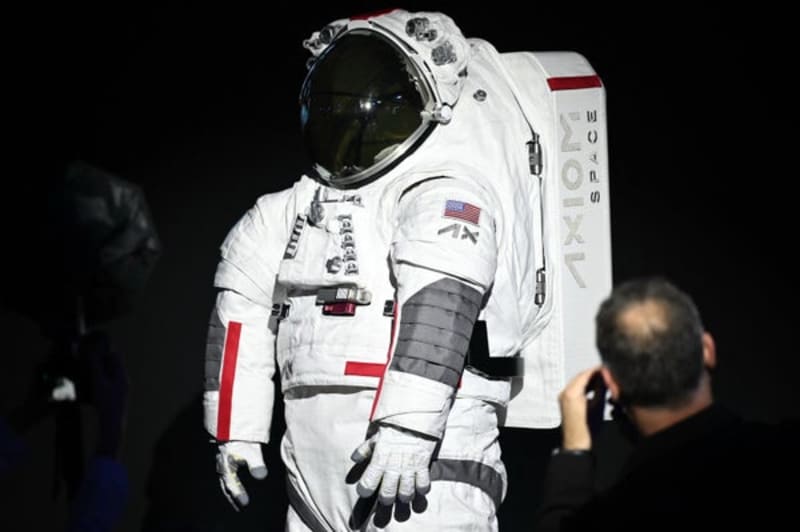
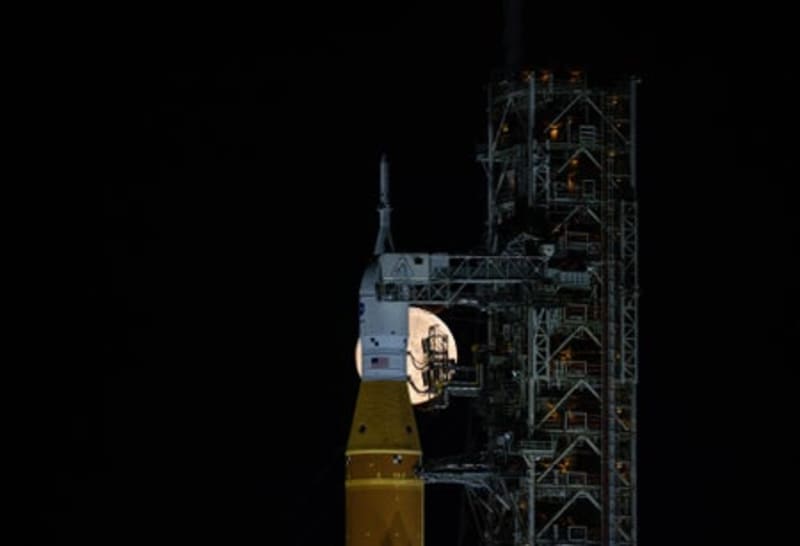
NASA's Artemis III mission will land astronauts on the moon's south pole with a revolutionary new space suit that lets them kneel, jog, and even do the splits. Axiom Space unveiled the design in 2024 after two years of development, and testing is underway now.
The Axiom Extravehicular Mobility Unit (AxEMU) looks similar to the bulky white suits from history books, but the technology inside represents a massive leap forward. Flexible joints replace the stiff, restrictive designs that limited Apollo astronauts to awkward hops and shuffles across the lunar surface.
"It's really pushing the limits of material science," says Paul Spana, director of collections at the Space Center Houston museum. The new suit packs in protection from deadly cosmic radiation, extreme temperatures swinging hundreds of degrees, and lung-clogging moon dust while still letting astronauts move naturally.
The moon's south pole presents tougher challenges than the Apollo landing sites near the equator. Steeper terrain, longer periods of darkness, and more extreme temperatures mean the suit needs to perform in conditions no previous moonwalker has faced.
The AxEMU also needs to work across different spacecraft, landers, and lunar rovers. That versatility matters because Artemis isn't just about brief visits. NASA plans to build a lunar space station and surface outposts for extended stays.
Why This Inspires
This suit represents more than just better engineering. It's the key to unlocking humanity's next chapter beyond Earth. When astronauts can move freely and work comfortably on the moon, they can accomplish real science instead of just surviving.
The enhanced mobility means carrying tools, collecting samples, and building structures becomes possible instead of painful. Every improvement in the suit expands what humans can achieve in space.
NASA maintains "extremely high confidence" that astronauts will thrive in the new suits despite their added weight. When Artemis III astronauts return from the moon, their feedback will shape even better designs for future missions to the moon and eventually Mars.
The lessons learned from each moonwalk will expand operating ranges and enhance crew capabilities, building toward a sustained human presence on the moon. After five decades of watching from Earth, we're finally taking the next giant leap.
More Images

Based on reporting by Scientific American
This story was written by BrightWire based on verified news reports.
Spread the positivity!
Share this good news with someone who needs it