NASA's New Sensor Could Unlock Universe's Biggest Mysteries
NASA scientists have developed a tiny gamma-ray sensor that could help us see the universe's most powerful explosions more clearly than ever before. The prototype will hitch a ride to space in 2027 on a robotic mission, bringing us closer to understanding cosmic events powered by black holes.
Imagine trying to watch fireworks through a foggy window. That's basically what astronomers face when studying some of the universe's most spectacular light shows.
NASA just created a sensor that could clear the fog. The technology, called AstroPix, detects a special kind of light called gamma rays that stream from cosmic explosions and distant galaxies powered by black holes.
Here's what makes this exciting. Current space telescopes can see many types of gamma rays, but they struggle with a specific range where the universe's most powerful events shine brightest. It's like having a radio that picks up most stations except the ones playing your favorite songs.
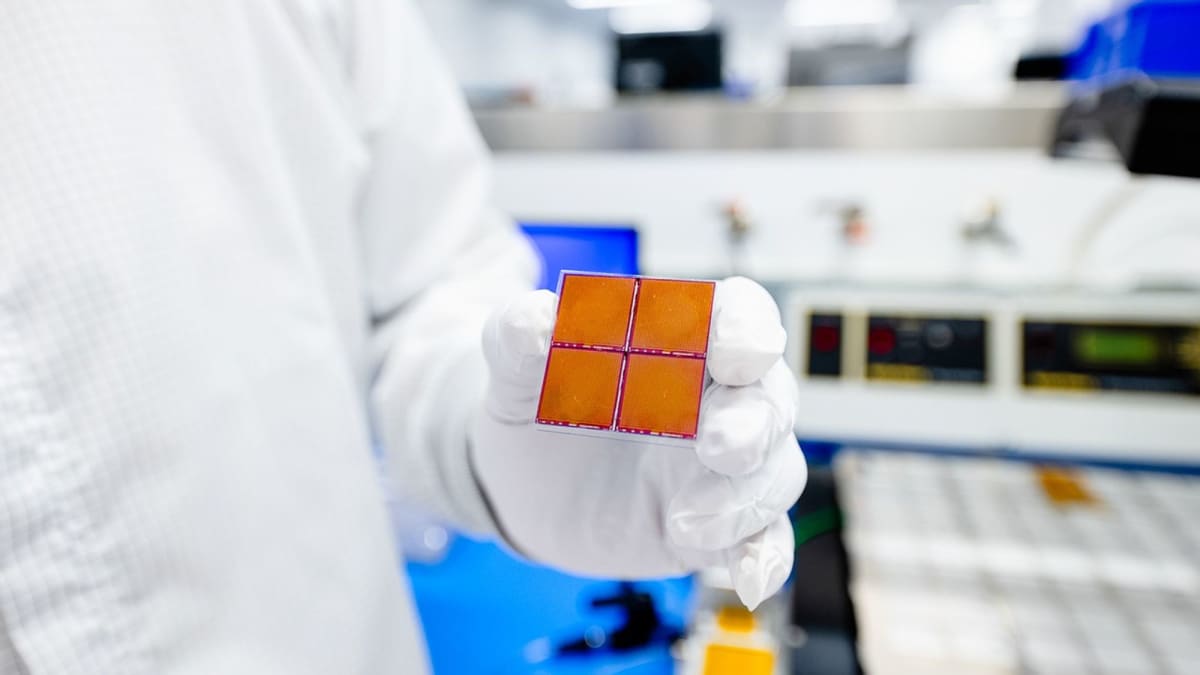
AstroPix fills that gap. Each chip contains four tiny detectors, and each detector packs 1,225 pixels. Think of it like your phone camera, except instead of capturing selfies, it captures light from events billions of light-years away.
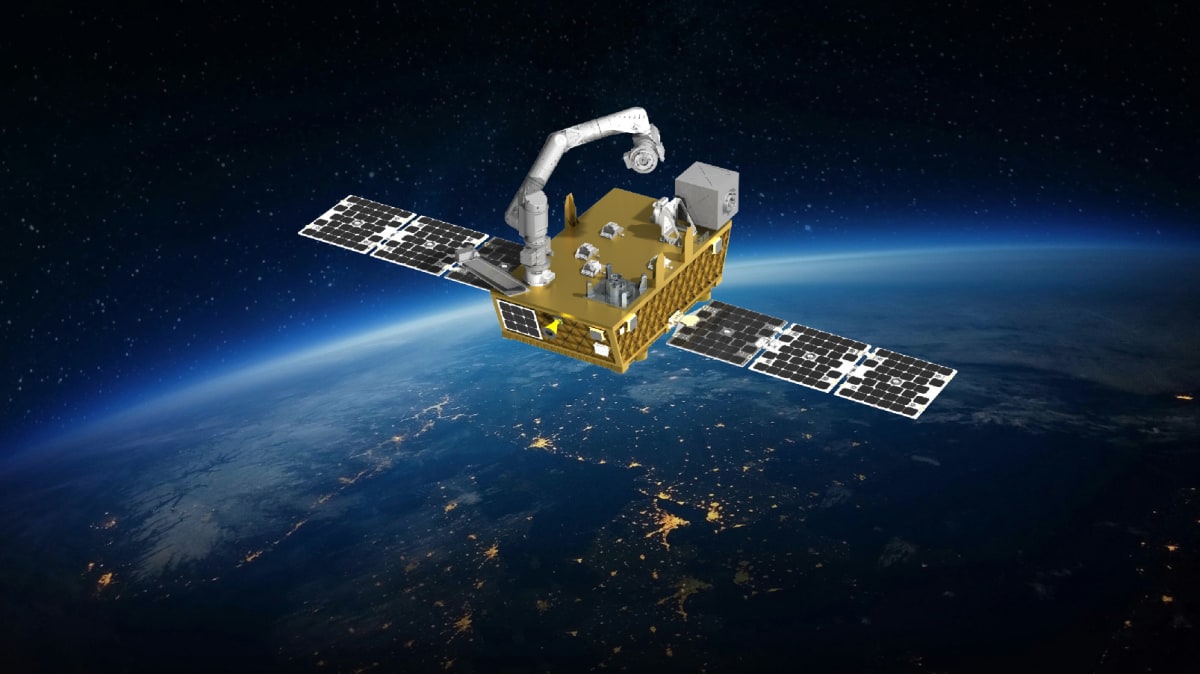
The sensors will launch in late 2027 aboard the Fly Foundational Robots mission. The spacecraft includes a robotic arm that will move modules around in orbit, testing how future satellites could be upgraded in space without costly replacement missions. AstroPix gets to test itself as a passenger on this robotic demonstration.
Dan Violette, a NASA scientist working on the project, says finding a ride to orbit isn't easy for experimental technology. Most test flights only reach the edge of space before falling back to Earth. Getting actual orbit time gives the team precious data they can't get anywhere else.
Why This Inspires
Scientists expect AstroPix to help them observe gamma-ray bursts, powerful explosions that can outshine entire galaxies for brief moments. By understanding these events better, researchers can learn about the extreme physics that happens around black holes and during cosmic collisions.
The technology also shows how creative collaboration advances science. The robotic mission had extra space in an 11.8-inch cube designed for payload testing. Instead of flying empty, the team invited AstroPix along. One mission now advances two different technologies.
Future missions could stack multiple AstroPix detectors together, creating even more sensitive instruments. That means sharper views of the universe's most energetic events and better answers to questions about how massive galaxies form and evolve.
The AstroPix team will deliver their hardware this September for integration into the spacecraft. By this time next year, these tiny sensors will be orbiting Earth, opening a clearer window to the universe's most dramatic moments.
More Images
Based on reporting by NASA
This story was written by BrightWire based on verified news reports.
Spread the positivity!
Share this good news with someone who needs it