NASA's New Telescope Launches 8 Months Early This Fall
NASA's Nancy Grace Roman Space Telescope is heading to Florida for launch this September, eight months ahead of schedule. The observatory will map huge sections of the universe at once, revealing the invisible forces shaping our cosmos.
NASA just wrapped up building a telescope that could rewrite our understanding of the universe, and they're so excited about it that they're launching eight months early.
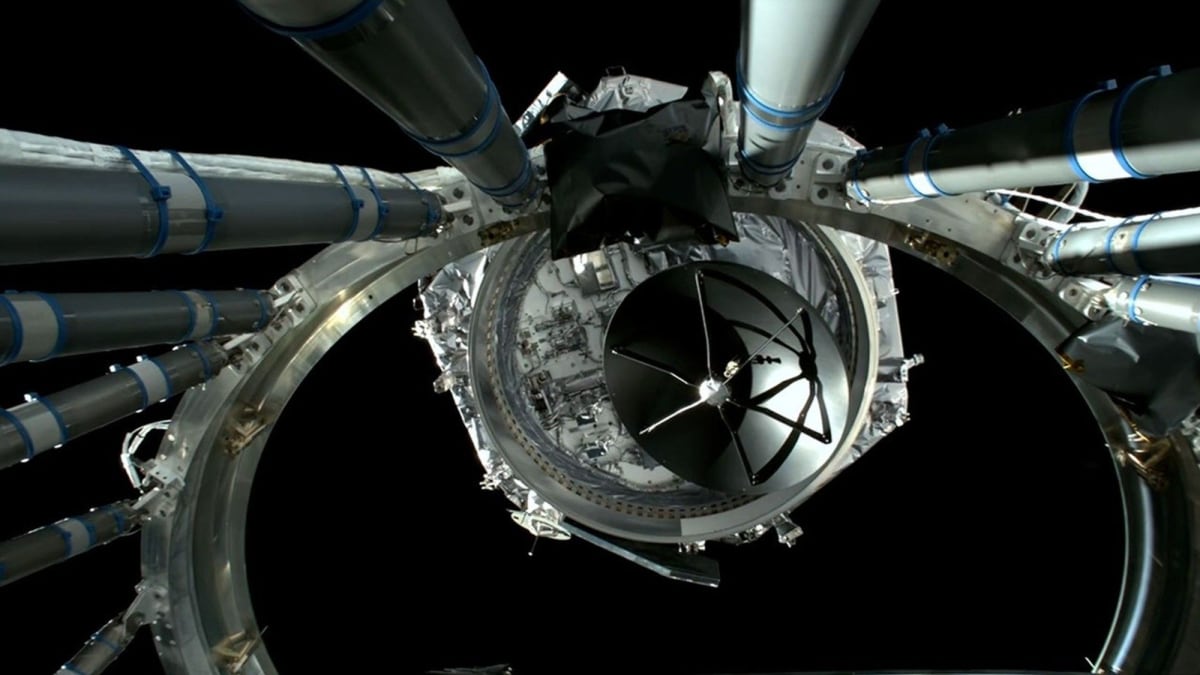
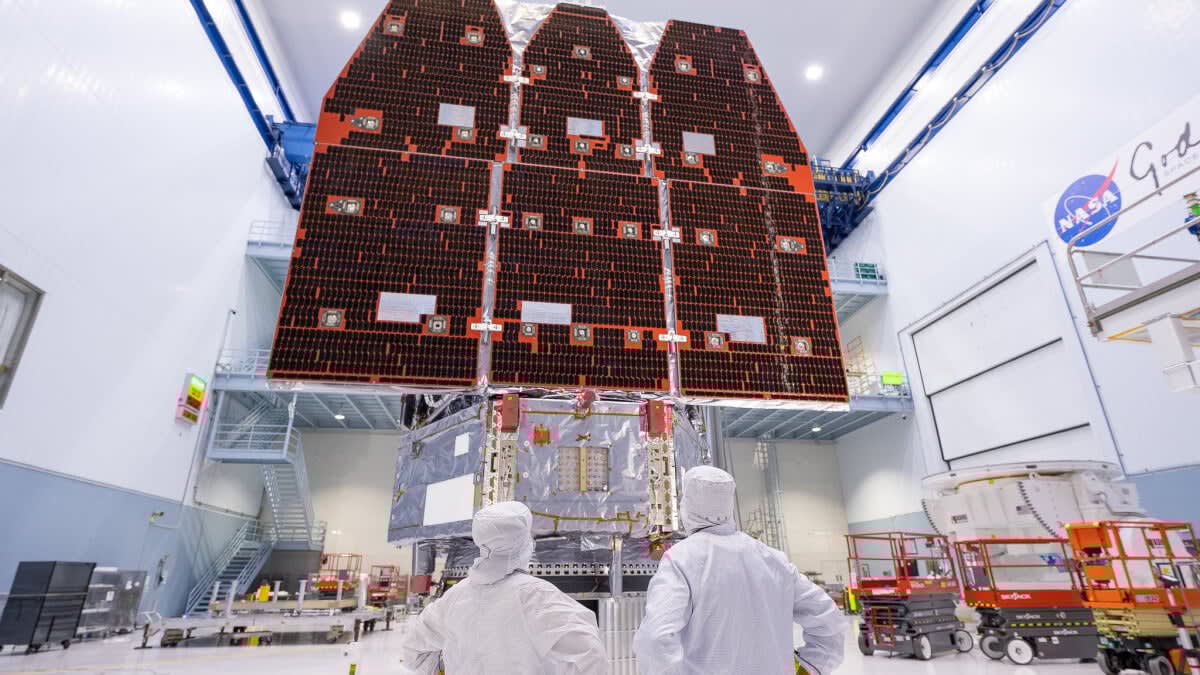
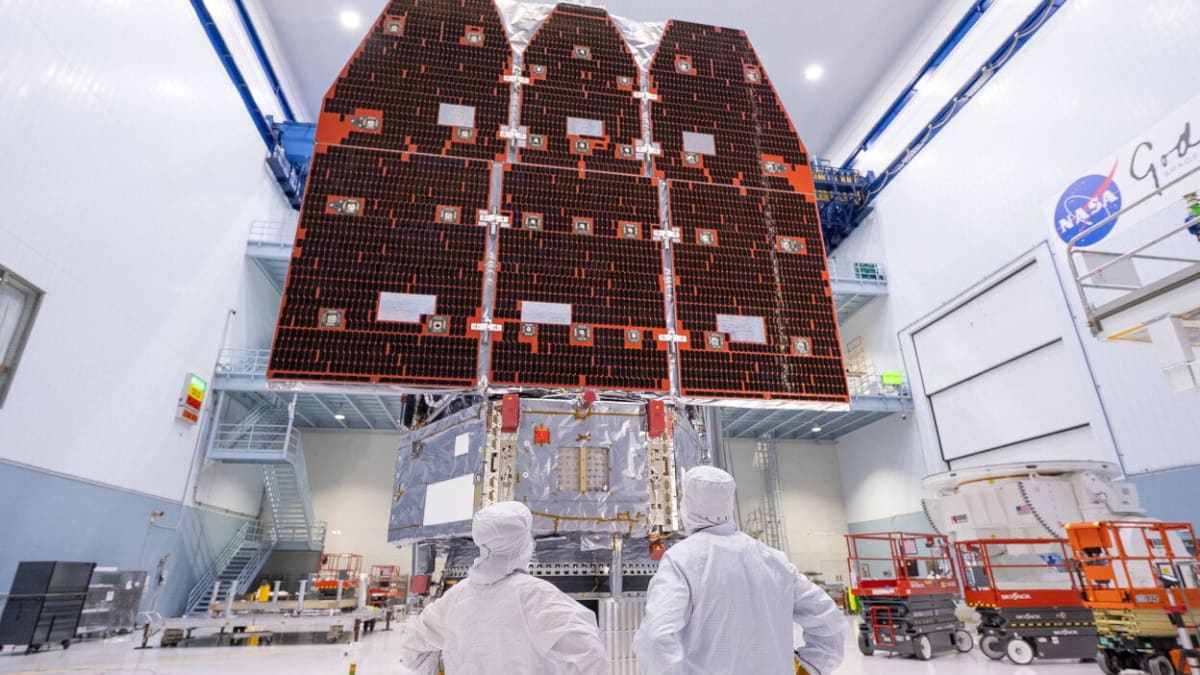
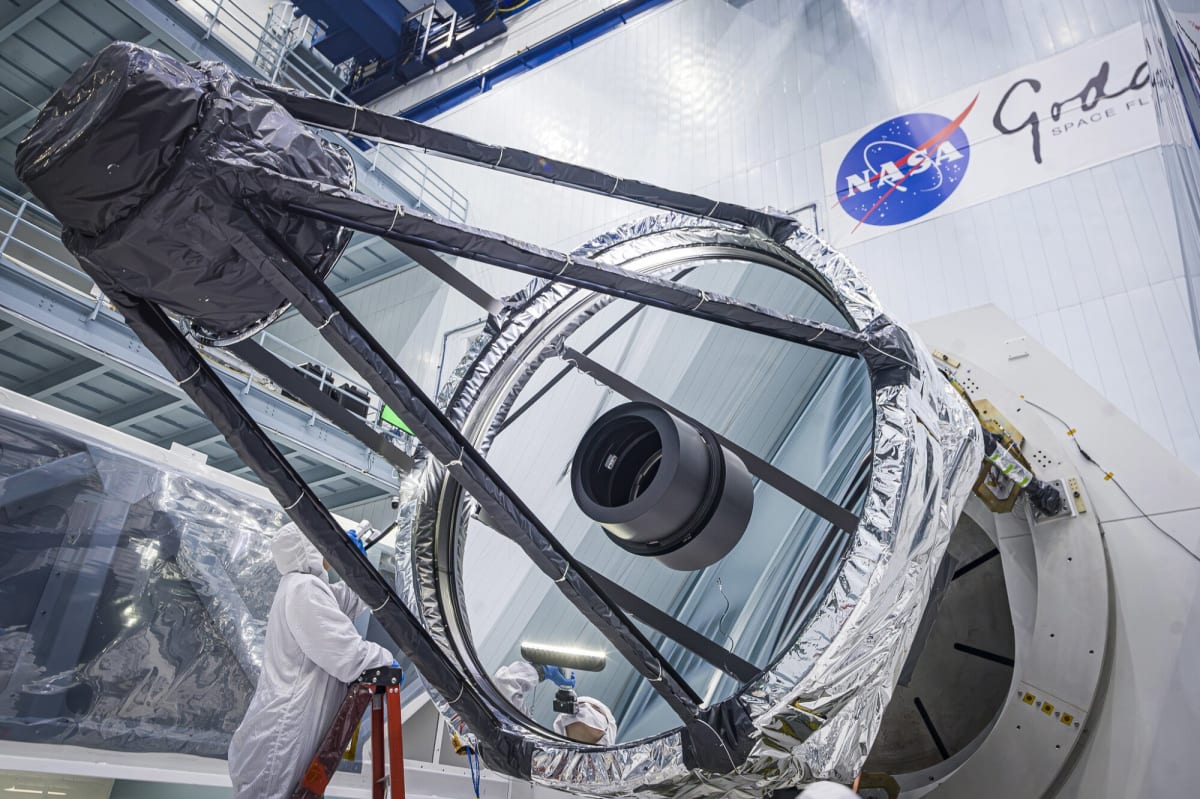
The Nancy Grace Roman Space Telescope finished prelaunch testing at NASA's Goddard Space Flight Center in Maryland this week. Next stop: Kennedy Space Center in Florida, where teams will prep it for a September liftoff.
"We didn't want to wait to launch the Nancy Grace Roman. We're eight months ahead of schedule," said Nicky Fox, NASA's associate administrator of science. "Everybody felt the urgency. Everybody was sprinting towards this."
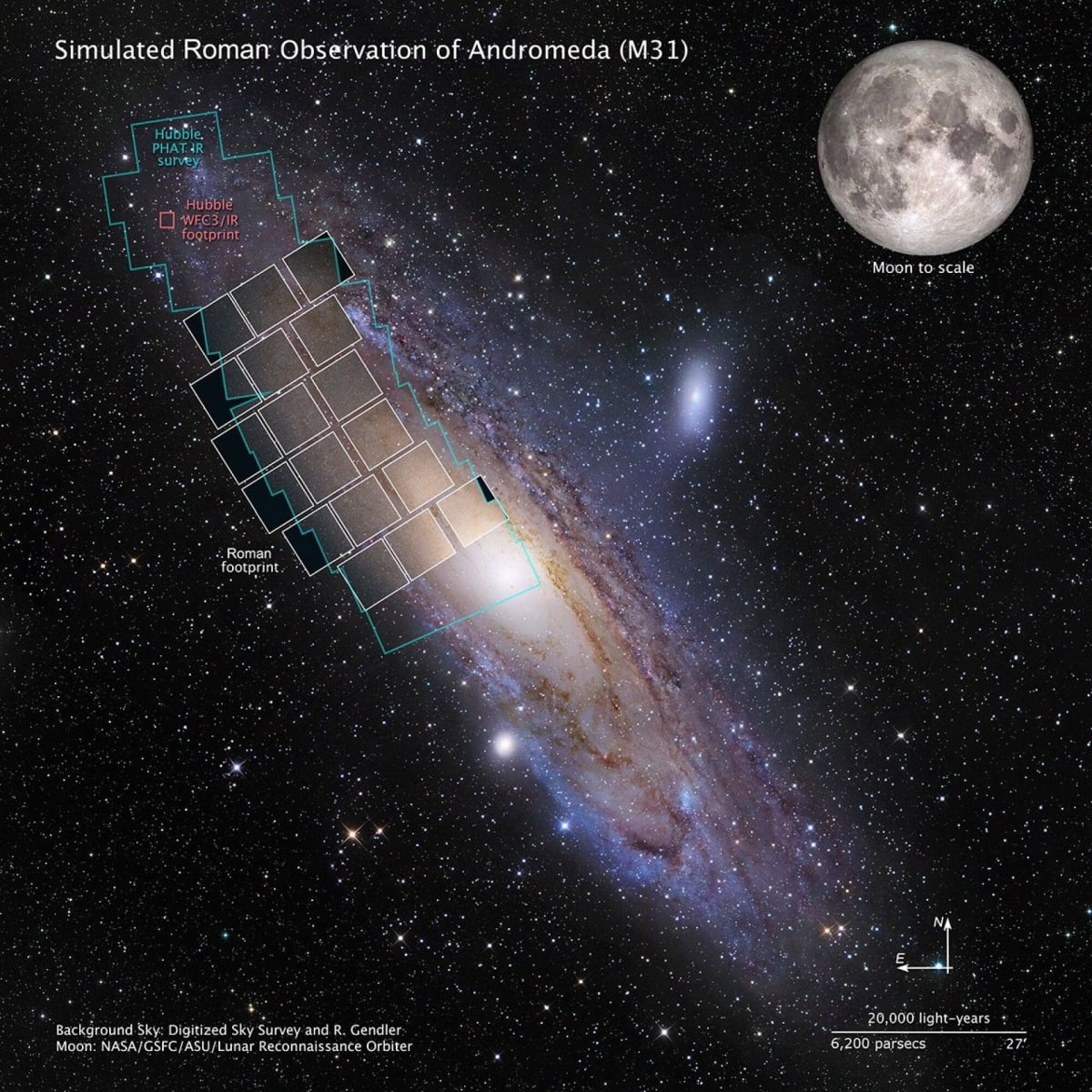
Roman isn't replacing Hubble or the James Webb Space Telescope. It's joining them as a partner with a unique superpower: seeing the big picture. While Hubble and Webb zoom in for detailed closeups, Roman captures the same sharp detail across areas 100 times larger.
Think of it this way. When Hubble photographed the Andromeda Galaxy, it needed 400 separate images stitched together like a mosaic. Roman can do the same job with just two shots.
That wide vision matters because scientists are hunting for answers about the dark universe. Everything we can see, stars and planets and people, makes up only 5 percent of the cosmos. The rest is dark matter and dark energy, invisible substances that don't emit light but shape how galaxies form and space expands.
Roman's eight-foot mirror and powerful infrared camera will map hundreds of millions of galaxies. By studying their positions and shapes, scientists can trace how invisible dark matter bends light and how the universe has grown over billions of years.
The telescope will also track exploding stars called Type Ia supernovas, which help measure how quickly space has expanded over time. Together, these observations could confirm or overturn our current understanding of how the universe works.
Roman has another talent too. It will discover planets in the cooler, outer regions of distant solar systems, similar to where Jupiter and Saturn orbit our sun. Using a technique called microlensing, it will watch as stars pass in front of each other and their gravity creates brief flashes of magnified light. Planets orbiting those stars create smaller blips that reveal their presence.
Why This Inspires
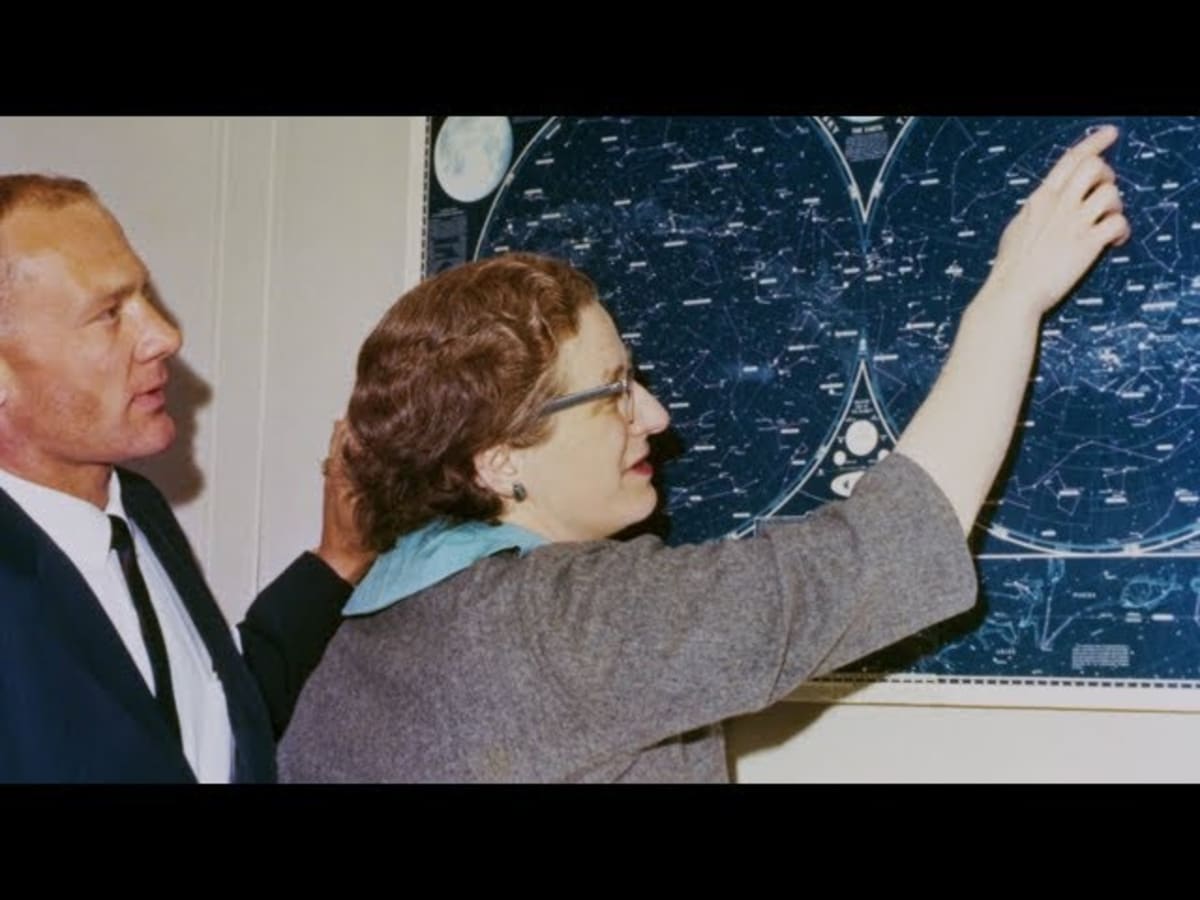
Named for Nancy Grace Roman, NASA's first chief of astronomy and one of its earliest female executives, this telescope honors a woman who helped launch the era of space observatories in the 1960s. Nicknamed the "mother of Hubble," Roman fought for funding and support when the idea of putting telescopes in space was still revolutionary.
Now a telescope bearing her name will orbit 1 million miles from Earth, near where Webb currently circles the sun, peering into the darkest corners of existence. It will help answer questions Roman herself might have asked: What is the universe really made of? How does it all fit together?
The team's early sprint to launch shows how eager scientists are to start getting answers.
More Images
Based on reporting by Google: James Webb telescope
This story was written by BrightWire based on verified news reports.
Spread the positivity!
Share this good news with someone who needs it