NASA's Palm-Sized Chip Makes Spacecraft 500x Smarter
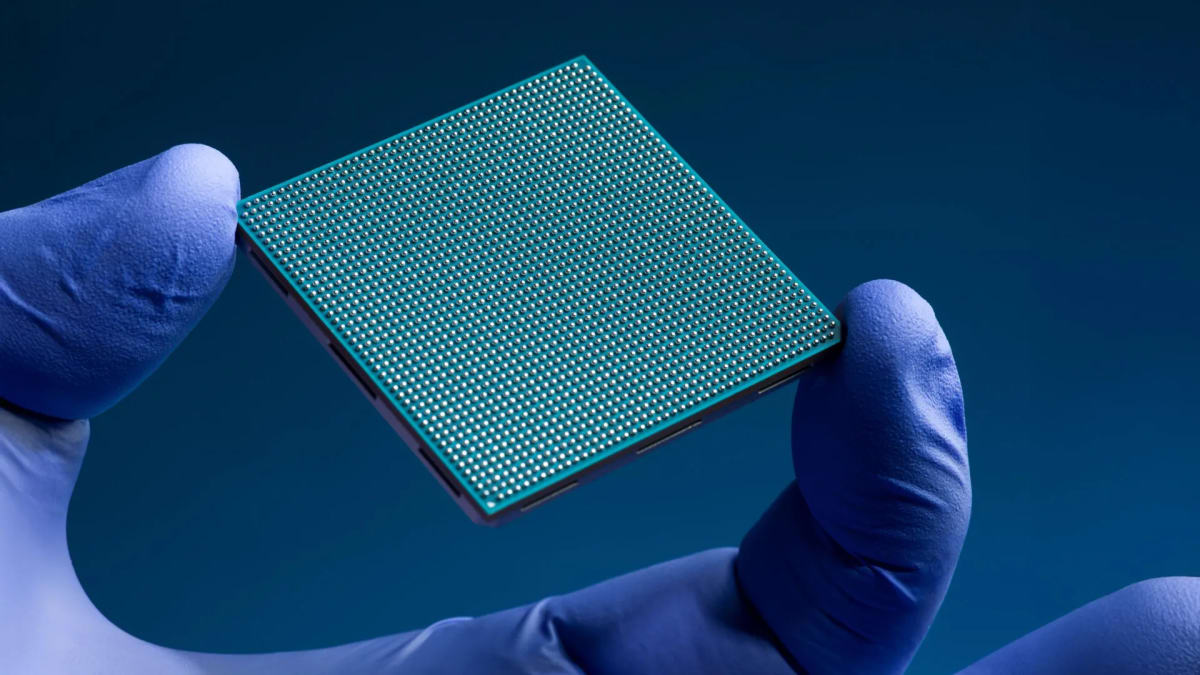
NASA just tested a revolutionary computer chip that could let spacecraft think for themselves in deep space. The palm-sized processor is 500 times more powerful than current space computers while surviving extreme radiation, paving the way for AI-powered missions to Mars and beyond.
Spacecraft are about to get a massive intelligence upgrade that could transform how we explore the solar system.
NASA is testing a groundbreaking computer chip small enough to fit in your hand but powerful enough to let spacecraft make their own decisions millions of miles from Earth. The processor has already shown performance levels 500 times greater than the radiation-hardened chips currently guiding our missions through space.
The breakthrough solves a problem that has held back space exploration for years. Current spacecraft rely on older, slower processors because they're tough enough to survive the brutal conditions of deep space. While dependable, these chips lack the brainpower needed for more ambitious missions.
Engineers at NASA's Jet Propulsion Laboratory in Southern California are putting the new processor through extreme tests designed to mimic the harshness of space. The chip must withstand intense electromagnetic radiation, dramatic temperature swings, and high-energy particles from the Sun that can cause computer errors and force spacecraft into emergency safe mode.
Early results have exceeded expectations. Testing began in February, and the processor is functioning exactly as intended while maintaining its extraordinary speed advantage. The team celebrated the milestone by sending an email titled "Hello Universe," a playful nod to the famous introductory messages from computer programming's early days.
The device packs the essential components of a full computer into a single compact unit called a system-on-a-chip. It includes processing units, networking systems, memory, and input/output interfaces, similar to what powers smartphones and tablets but designed to survive years in deep space without any repairs.
NASA developed the processor through a commercial partnership with Microchip Technology Inc. in Arizona. Sample chips have already been shared with defense and commercial aerospace partners, and the company plans to adapt the technology for aviation and automotive industries here on Earth.
The Ripple Effect
The implications reach far beyond faster computers in space. With onboard artificial intelligence, spacecraft could respond to unexpected situations in real time when communication delays make human control impossible. A message from Mars takes up to 22 minutes to reach Earth, making split-second decisions impractical from mission control.
Future missions could process and analyze massive amounts of scientific data onboard, deciding what to investigate further and what to send home. Deep space probes could navigate around obstacles, planetary rovers could choose their own research targets, and crewed habitats could manage life support systems autonomously.
NASA plans to integrate the processor into Earth orbiters, planetary rovers, deep space probes, and habitats supporting astronauts during missions to the Moon and Mars. The technology represents a fundamental shift from spacecraft that follow programmed instructions to intelligent systems that can adapt and learn.
Once certified for spaceflight after months of additional testing, these processors will enable missions previously considered too risky or complex to attempt.
Based on reporting by Science Daily
This story was written by BrightWire based on verified news reports.
Spread the positivity!
Share this good news with someone who needs it