NASA's Psyche Probe Snaps Stunning Mars Photos En Route
NASA's Psyche spacecraft just captured breathtaking images of Mars during a flyby that boosted it toward a metal-rich asteroid worth more than Earth's entire economy. The close encounter gave scientists thousands of photos while testing equipment that will explore the mysterious 16 Psyche asteroid in 2029.
A spacecraft on its way to explore a treasure-filled asteroid just sent back some of the most stunning Mars photos we've seen in years.
NASA's Psyche probe swooped within 2,864 miles of Mars on May 15, close enough to capture incredible detail of the Red Planet's craters, polar ice caps, and dusty atmosphere. The flyby wasn't just a photo opportunity. It gave the spacecraft a gravity-powered speed boost of 1,000 miles per hour, slingshotting it toward its final destination.
That destination is 16 Psyche, an asteroid between Mars and Jupiter that scientists believe could be made of precious metals worth quadrillions of dollars. The probe will arrive in summer 2029 to find out if the theory is true.
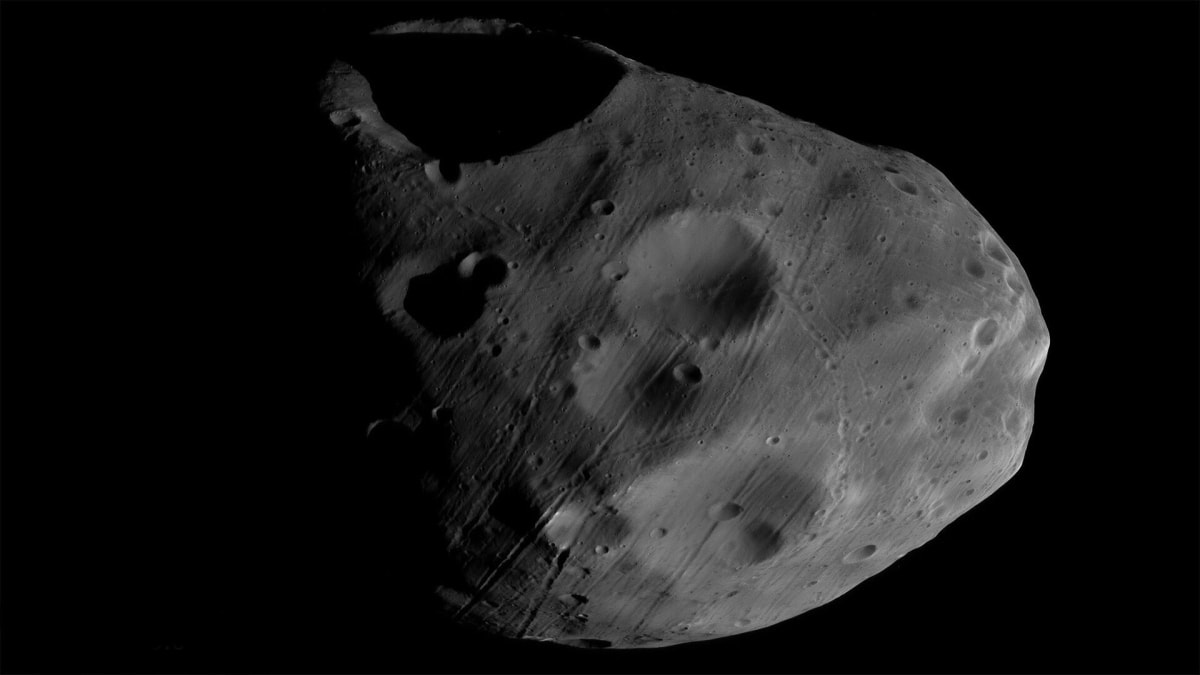
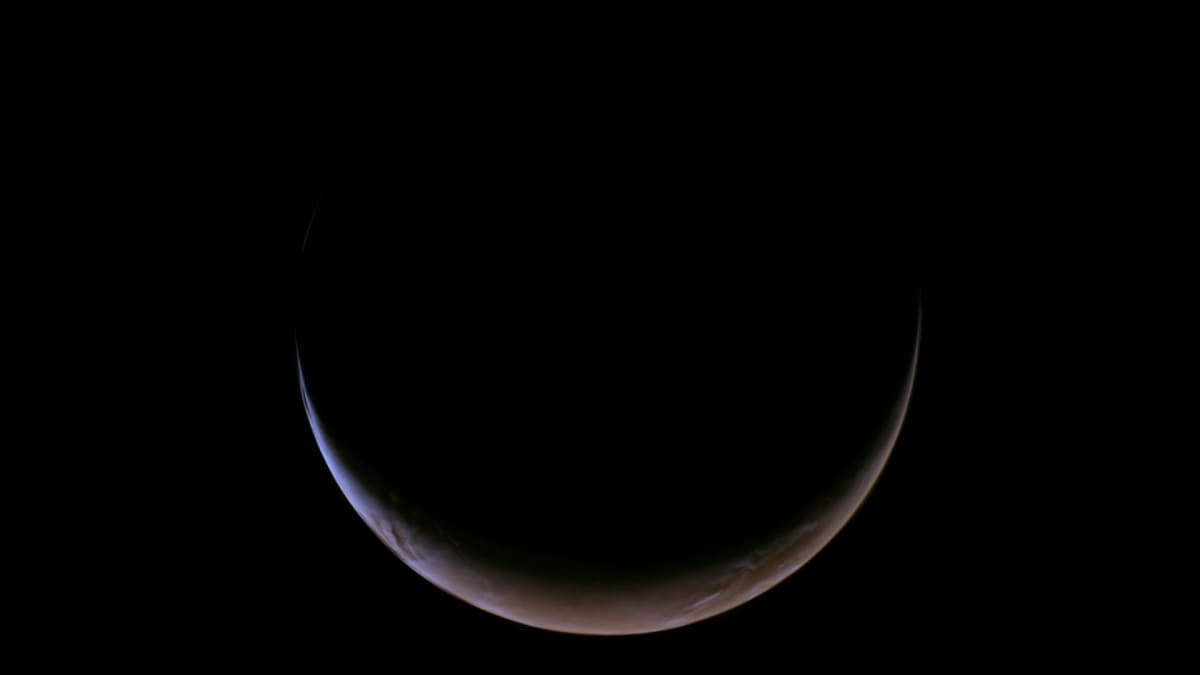
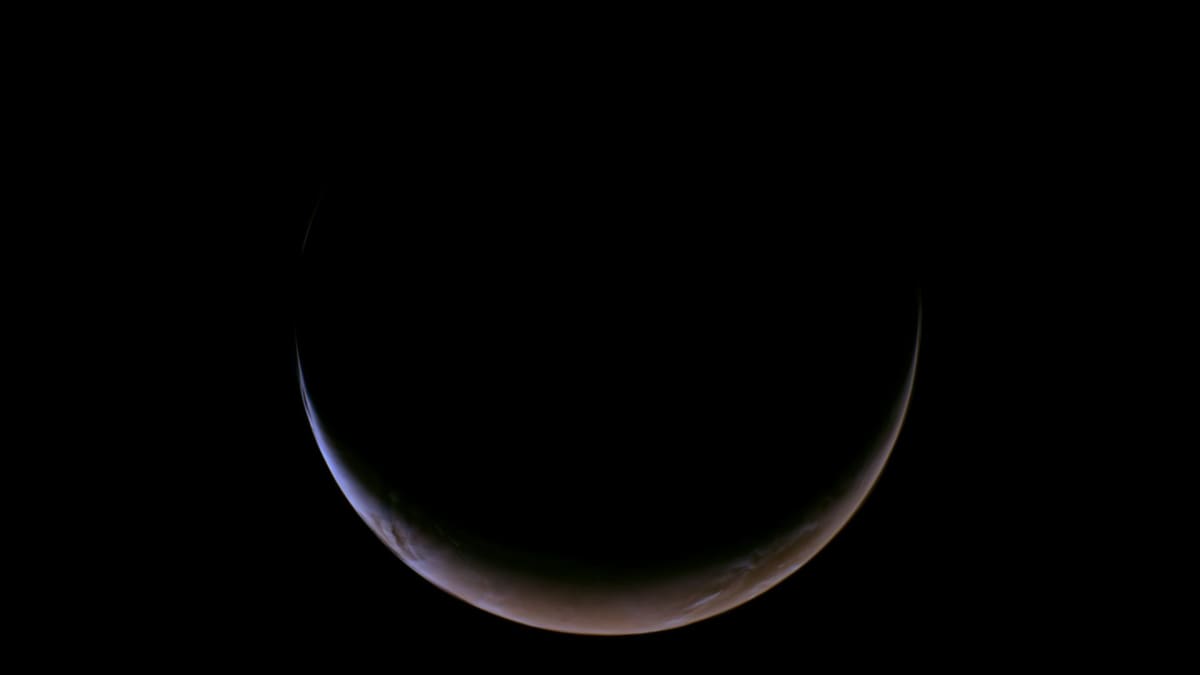
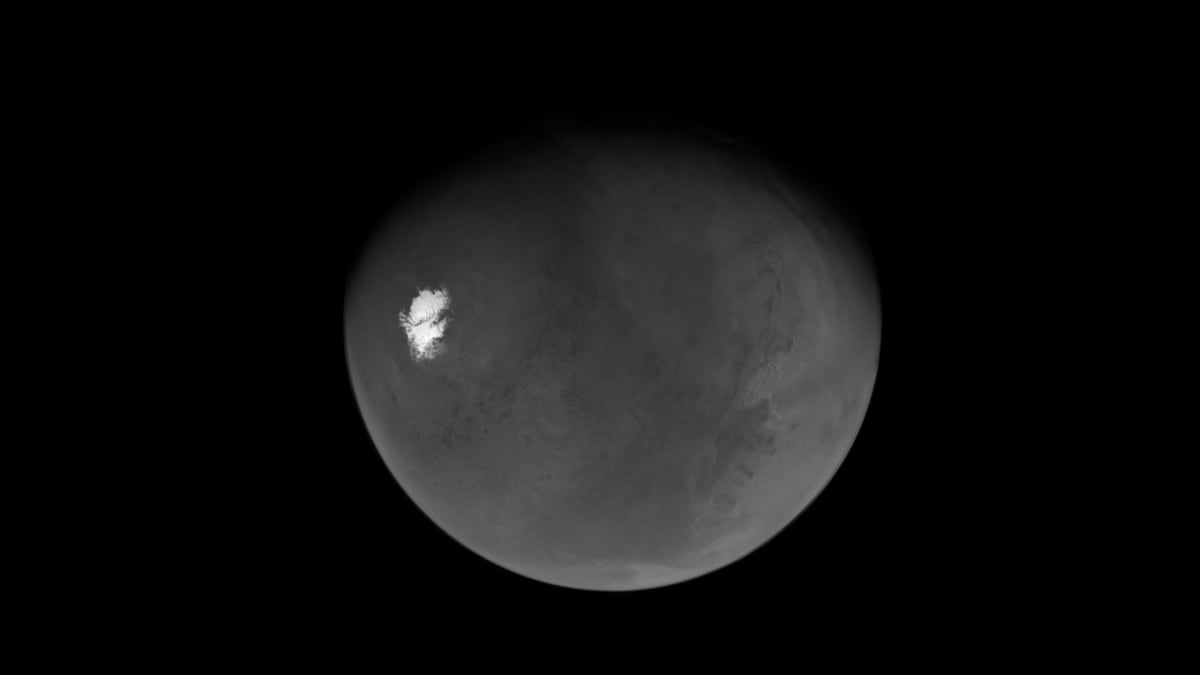
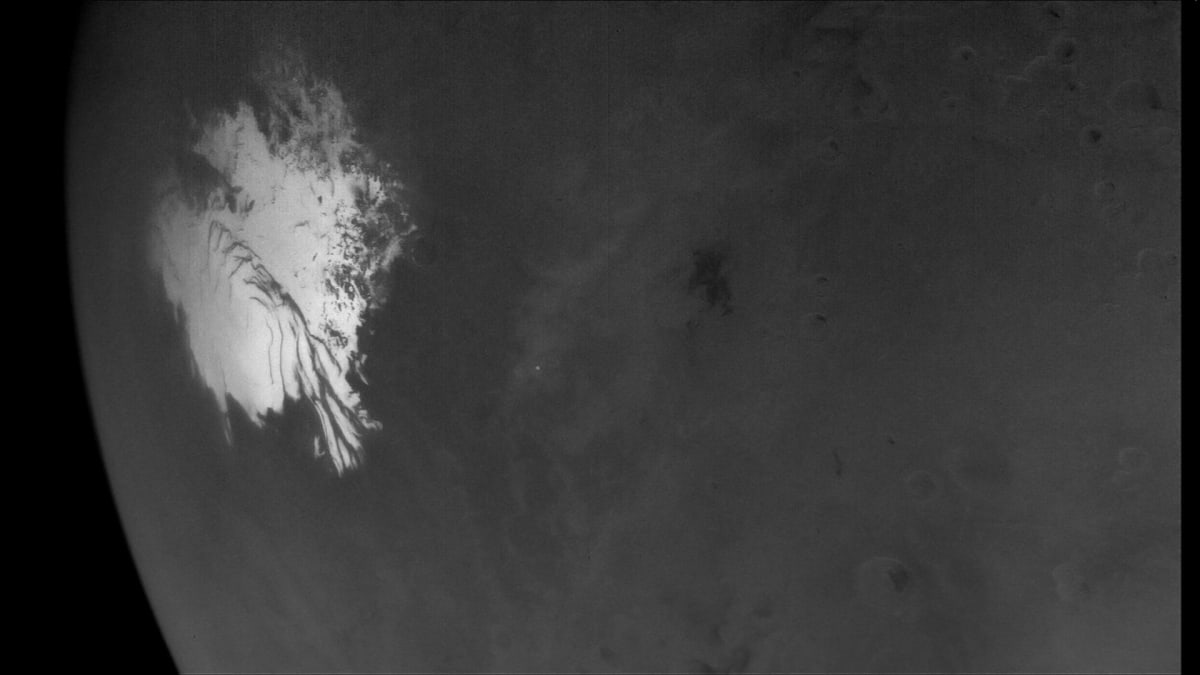
The Mars images showcase what Psyche's advanced cameras can do. One photo captures a delicate crescent Mars, appearing brighter than expected because the planet's dusty atmosphere scattered sunlight in beautiful ways. Another reveals the southern polar ice cap, a white expanse over 430 miles wide made of water ice.
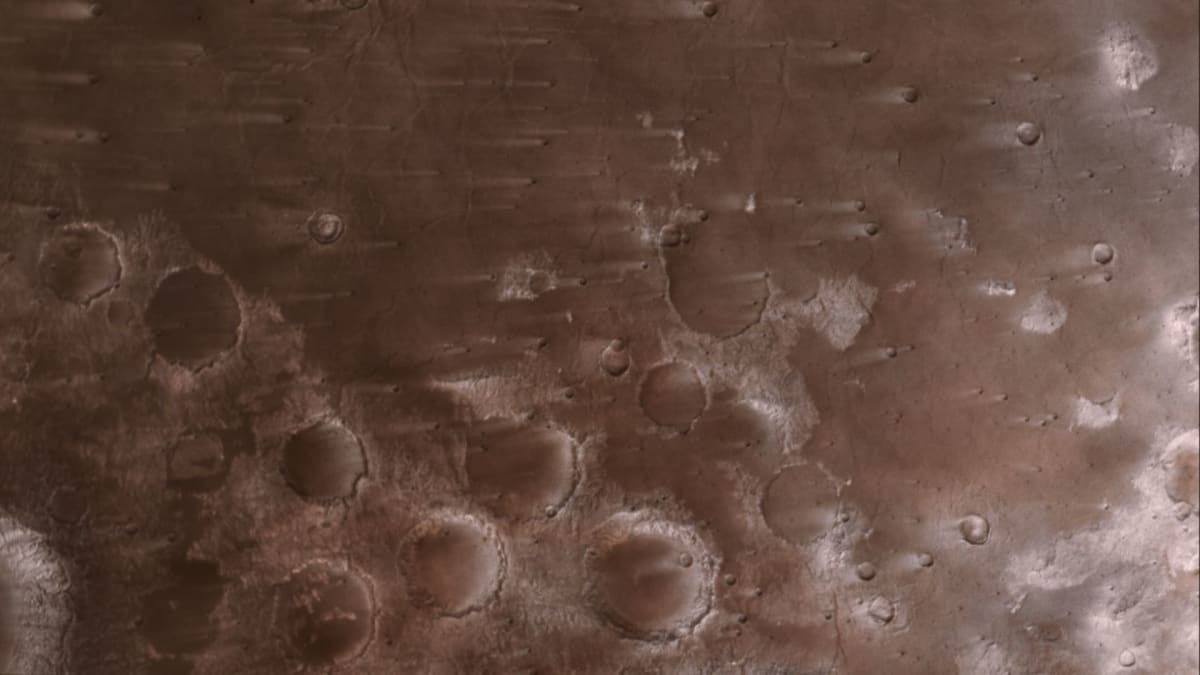
Scientists captured thousands of images during the approach, showing wind-carved streaks extending 30 miles across the Martian surface and massive craters like Huygens, which spans 290 miles in diameter. The multispectral imager takes photos in both visible light and near-infrared, revealing details invisible to the human eye.
This technology will prove essential when Psyche reaches the asteroid. The cameras will help decode whether 16 Psyche really contains the iron, nickel, and precious metals that could revolutionize our understanding of planetary formation.
The Mars flyby let engineers test all the asteroid-focused instruments early. Magnetometers may have detected a "bow shock" where solar wind hits the Martian atmosphere. Image-processing tools got a real-world workout analyzing the Red Planet's features.
Why This Inspires
This mission reminds us that space exploration keeps delivering unexpected gifts along the way. While Psyche journeys toward one scientific goal, it's gathering knowledge about Mars that will help future missions. The gravity assist maneuver shows how cleverly we can navigate our solar system using natural forces rather than just fuel.
Jim Bell, the imager lead at Arizona State University, says his team will continue analyzing Mars images as the planet recedes into the distance throughout the month. Every photo helps calibrate the instruments that will unlock the mysteries of a potentially priceless asteroid four years from now.
The spacecraft is testing cutting-edge laser communications technology too, proving that even routine maneuvers can advance multiple areas of space science at once. We're not just exploring one destination. We're learning how to explore smarter everywhere we go, turning a simple gravity assist into a masterclass in planetary observation.
More Images
Based on reporting by Google News - Science
This story was written by BrightWire based on verified news reports.
Spread the positivity!
Share this good news with someone who needs it