NASA's Roman Space Telescope Powers On, Eyes 22-Year Mission
NASA's newest space telescope successfully activated its instruments for the first time as it journeys to its observation post nearly a million miles from Earth. Better yet, fuel savings mean the $4 billion observatory could study the cosmos for 22 years instead of the planned five.
NASA's Nancy Grace Roman Space Telescope just reached a major milestone that has scientists celebrating both its flawless performance and an unexpected bonus that could revolutionize our understanding of the universe.
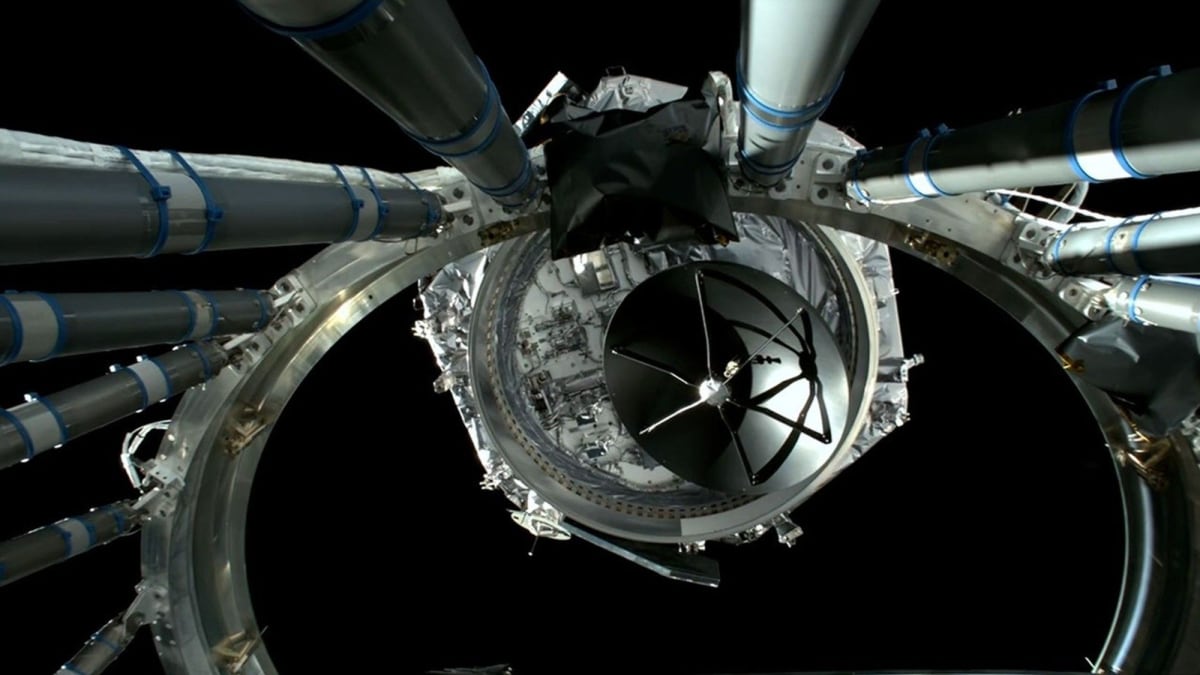
Since launching on August 30, the telescope has been making its three-month journey to Lagrange point two, a stable orbital position almost a million miles from Earth. Last week, NASA teams successfully powered on the telescope's main instruments for the first time, and everything is working beautifully.
The Wide Field Instrument, a massive 300-megapixel infrared camera, came online on September 11 after engineers spent 10 days allowing it to dry out and shed any contaminants from launch. The camera's infrared detectors cover an area about the size of a laptop, compared to a typical digital camera sensor that's roughly postage stamp sized.
"This is a huge milestone for the team at Goddard, our industry teams at BAE Systems, Inc. and Teledyne, and our science centers," said Josh Schlieder, the Wide Field Instrument scientist at NASA's Goddard Space Flight Center. Engineers successfully tested the camera's focus components and filter system, which will allow Roman to take fast snapshots of enormous portions of sky.
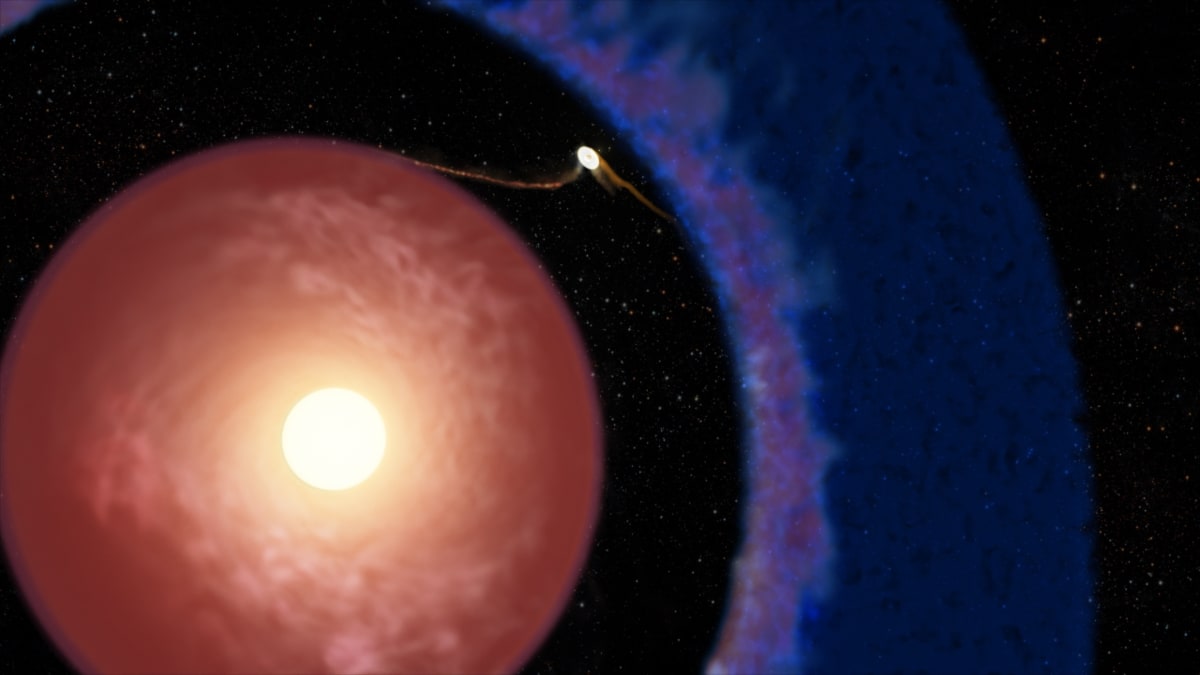
The telescope's Coronagraph Instrument also passed its initial tests. This innovative device uses mirrors, masks and sensors to block starlight so scientists can detect the much fainter light of planets orbiting distant stars, opening new possibilities for discovering worlds beyond our solar system.
The Bright Side
Here's where the story gets even better. Thanks to the precision of Roman's SpaceX Falcon Heavy launch and careful fuel management during early trajectory corrections, the telescope has enough propellant to operate for 22 years.
That's more than four times longer than originally planned. NASA initially designed Roman for a five-year mission, but the extra fuel means scientists will have over two decades to study dark energy, map the universe's matter distribution, and hunt for exoplanets.
The telescope will spend the next 12 weeks completing its journey to its observation post, with both instruments undergoing calibrations and decontamination procedures. NASA expects Roman to release its first science images in early 2027.
Two decades of cosmic discovery awaits, and it all started with a perfect launch and flawless first tests.
More Images
Based on reporting by Google News - Science
This story was written by BrightWire based on verified news reports.
Spread the positivity!
Share this good news with someone who needs it