NASA's Roman Telescope Captures First Light in Space
NASA's newest space telescope has successfully opened its eyes, marking a major milestone toward discovering thousands of new planets and solving mysteries about dark matter. The Nancy Grace Roman Space Telescope will scan 50 times more sky than Hubble has captured in three decades.
A telescope powerful enough to scan more of the universe in five years than Hubble has in 30 just opened its eyes for the first time.
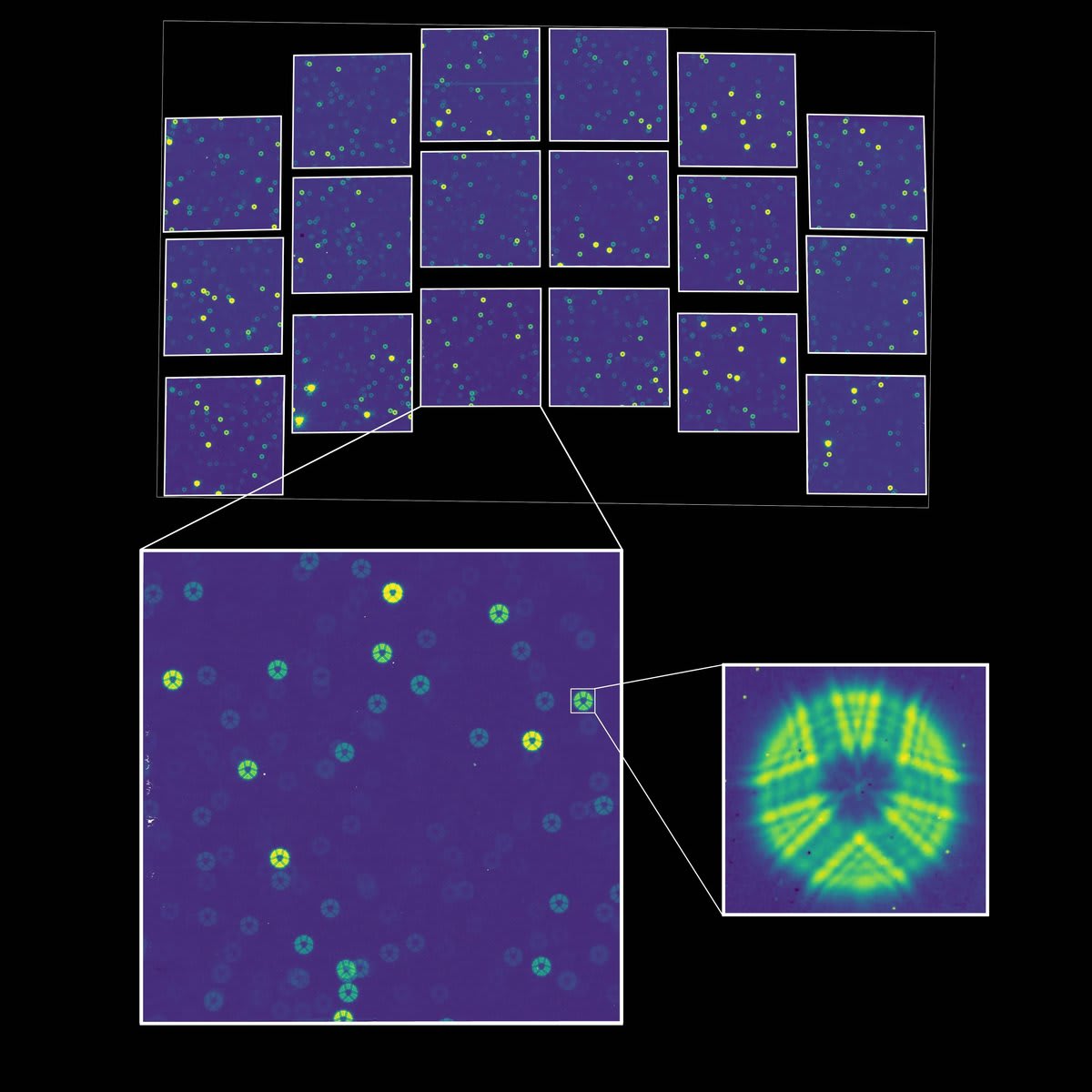
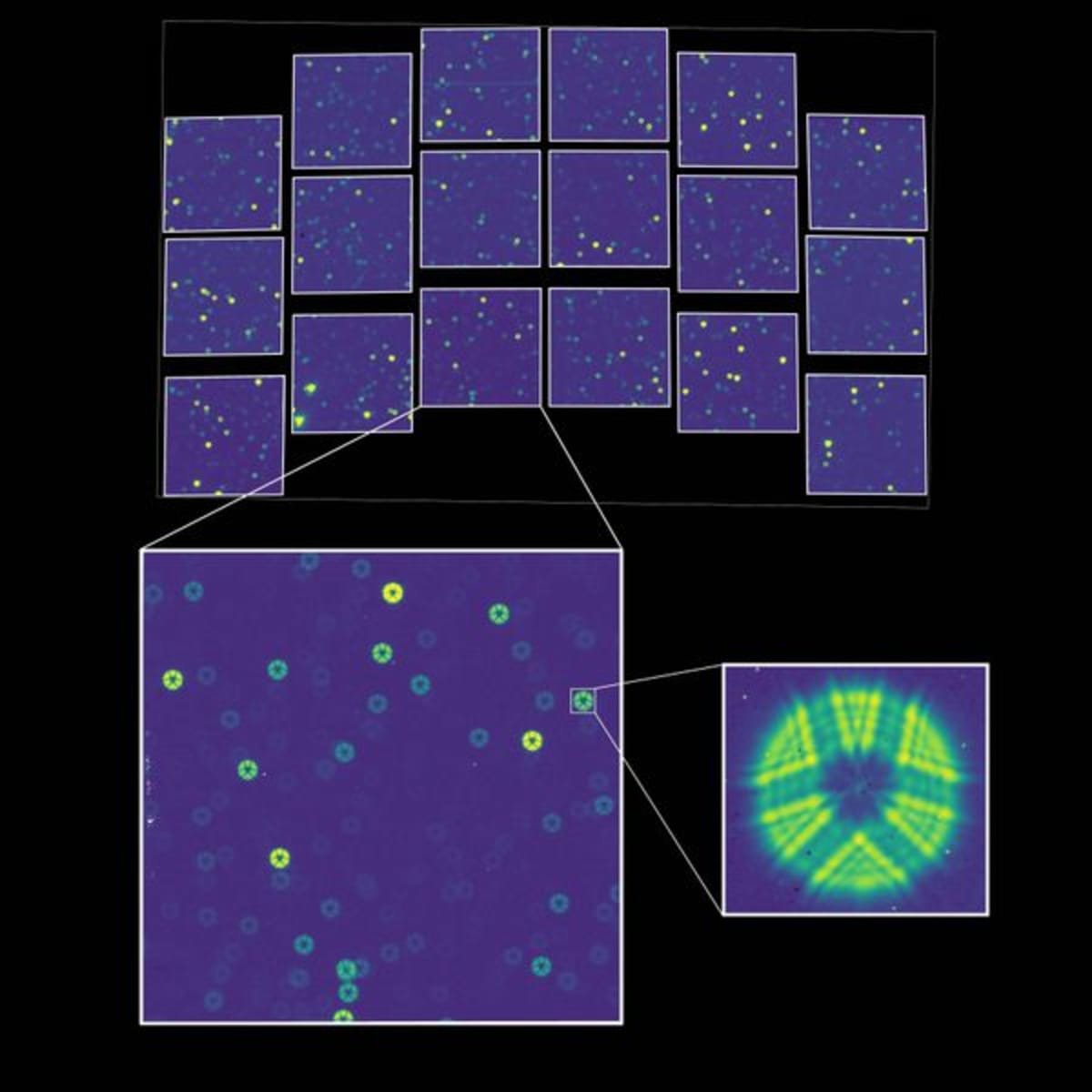
NASA's Nancy Grace Roman Space Telescope activated its Wide Field Instrument on September 11, capturing its first photons of starlight. The moment marks a crucial step toward the telescope becoming fully operational early next year.
The journey to first light required careful preparation. After launching on August 30, Roman spent 10 days drying out to protect its sensitive systems from moisture damage. Engineers then cooled the telescope down to a bone-chilling negative 300 degrees Fahrenheit, the temperature needed for its 18 infrared instruments to function properly.
At that frigid temperature, the telescope's 300-megapixel camera came alive. Engineers tested the calibration system, light filters, and focus mechanisms. Every system performed exactly as hoped.
The Wide Field Instrument will capture images of sky patches larger than a full moon appears to us. That massive field of view means Roman can study vast swaths of space in record time, searching for planets around distant stars and hunting for signs of dark matter and dark energy.
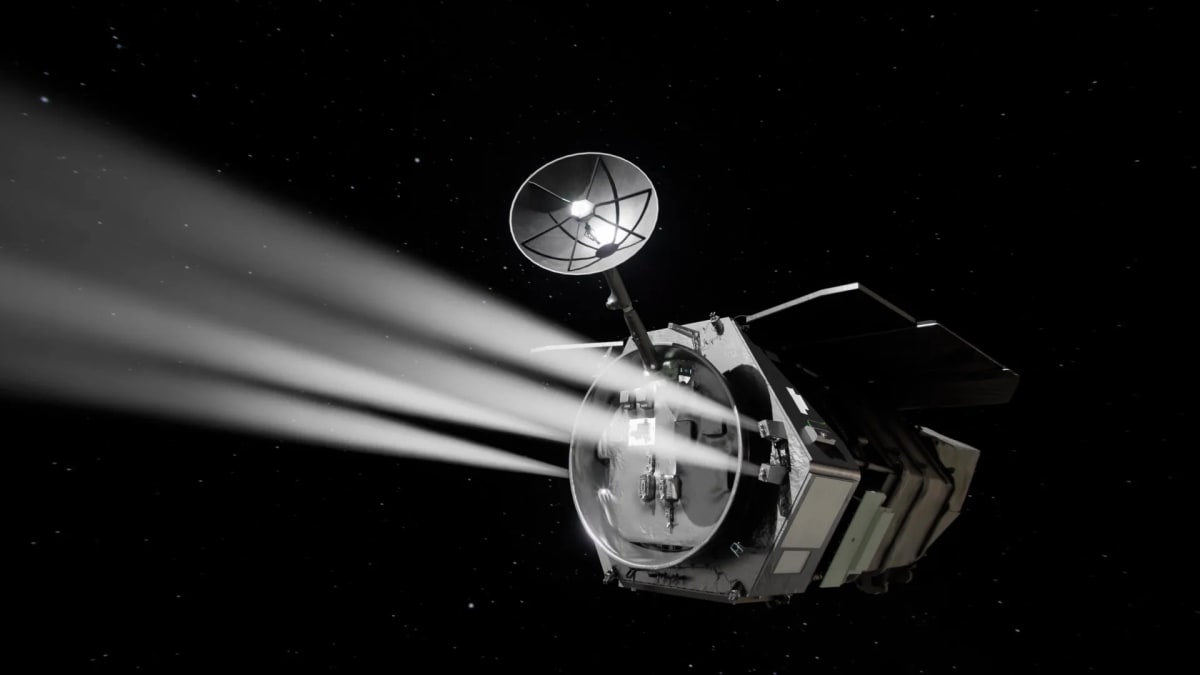
NASA also tested communications with Roman's coronagraph, a sophisticated tool designed to block out starlight so scientists can directly photograph planets orbiting other stars. Finding and studying these exoplanets could help answer whether Earth-like worlds exist elsewhere in our galaxy.
Why This Inspires
This achievement represents years of dedication from hundreds of scientists and engineers who built and tested every component on Earth before trusting it to space. Their careful work paid off when Roman's instruments powered on perfectly, millions of miles from any repair shop.
The telescope honors Nancy Grace Roman, NASA's first chief astronomer, who spent her career advocating for space telescopes. Her vision of studying the universe from above Earth's atmosphere continues through this mission bearing her name.
Scientists expect the first detailed images around the holiday season. Full science operations begin in January 2027, when Roman will start its mission to discover thousands of new worlds and peer into the universe's deepest mysteries.
"After years of effort to build and test the instrument on the ground, we now have confirmation that it is operational in space," said WFI scientist Josh Schlieder. "There is much to do, but we are on our way to groundbreaking science."
The universe just got a whole lot more visible, and the discoveries waiting in those images could reshape our understanding of worlds beyond our own.
More Images



Based on reporting by Scientific American
This story was written by BrightWire based on verified news reports.
Spread the positivity!
Share this good news with someone who needs it