NASA's Roman Telescope Sees Green Stars in First Test
NASA's newest space telescope just opened its eyes for the first time and captured hundreds of stars glowing neon green. The images mark a major step toward a mission that could discover 100,000 new alien worlds.
NASA's Nancy Grace Roman Space Telescope turned on its powerful camera for the first time in space, and the cosmic view is surprisingly colorful.
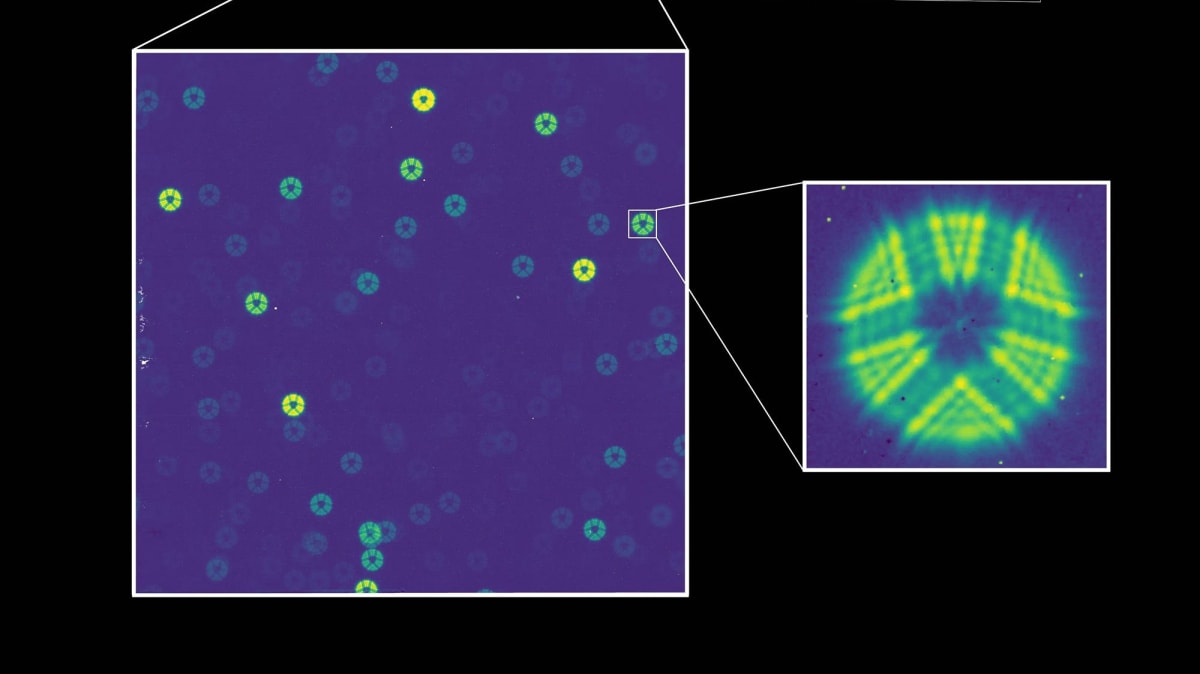
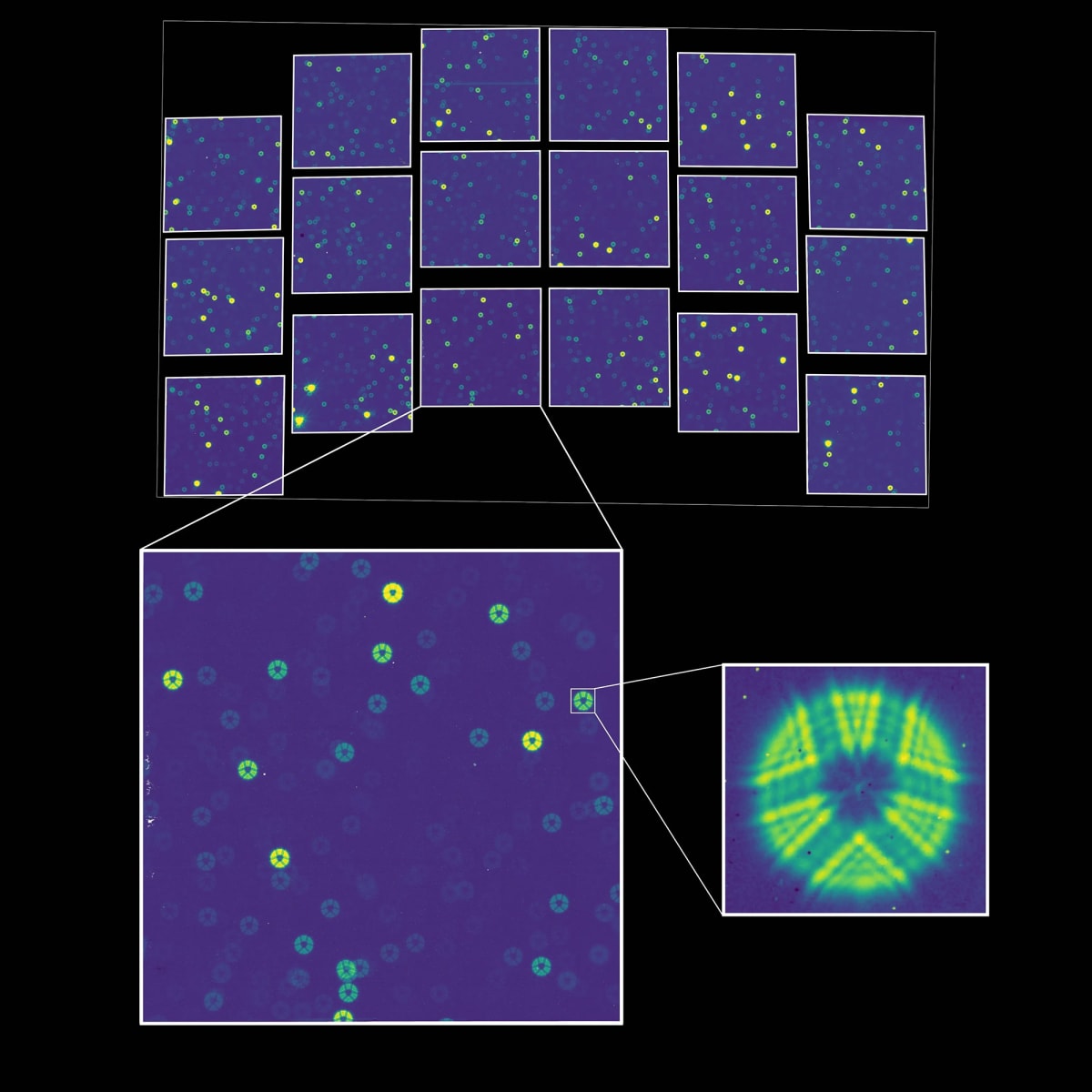
The telescope's 300-megapixel infrared camera captured hundreds of stars appearing as lime-green rings of light in its first test image on September 15. The unusual doughnut shapes are temporary because scientists haven't fully focused the camera yet, but the test confirms all systems are working perfectly.
Roman launched on August 30 and is now traveling to its permanent home at Lagrange point L2, a special "parking spot" about a million miles from Earth. The same spot hosts the James Webb Space Telescope, where the balanced gravity of Earth and the sun keeps spacecraft stable.
The telescope's camera system uses 18 detectors that appear as wavy squares in the test image. These detectors translate light from distant stars into electrical signals, creating massive images of the universe that will be as sharp as Hubble's famous photos but covering an area 100 times larger.
"After years of effort to build and test the instrument on the ground, we now have confirmation that it is operational in space," said Josh Schlieder, chief scientist for the camera at NASA's Goddard Space Flight Center. "We are on our way to groundbreaking science."
Why This Inspires
Roman will send roughly 1.4 terabytes of data back to Earth every day, enough to fill five to 10 smartphones. Scientists plan to use this flood of information to tackle some of astronomy's biggest questions, from measuring how fast the universe is expanding to understanding the mysterious force called dark energy.
The telescope's special coronagraph instrument, which blocks out starlight to reveal hidden planets, successfully passed its own test this week. This technology will let Roman spot distant worlds with unprecedented clarity, potentially increasing the count of known exoplanets from over 6,000 today to more than 100,000 by the end of its mission.
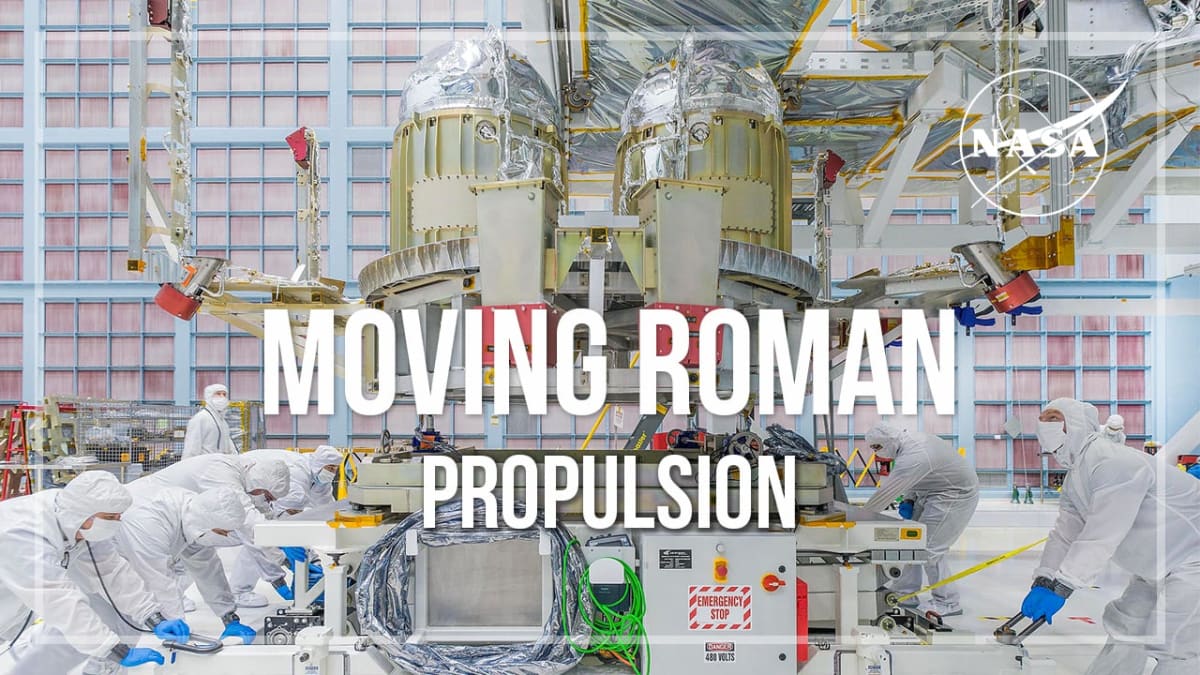
The mission timeline just got even better. A successful thruster test combined with extra fuel loaded at launch means Roman could operate for 22 years instead of the planned 10. Like Hubble, which continues operating decades beyond its original mission, Roman could be discovering cosmic wonders for a generation.
By early 2027, those green doughnuts will transform into crisp, detailed images that open new windows on the universe and bring us closer to answering whether we're alone among the stars.
More Images

Based on reporting by Live Science
This story was written by BrightWire based on verified news reports.
Spread the positivity!
Share this good news with someone who needs it