NASA's Roman Telescope Sends First Images from Space
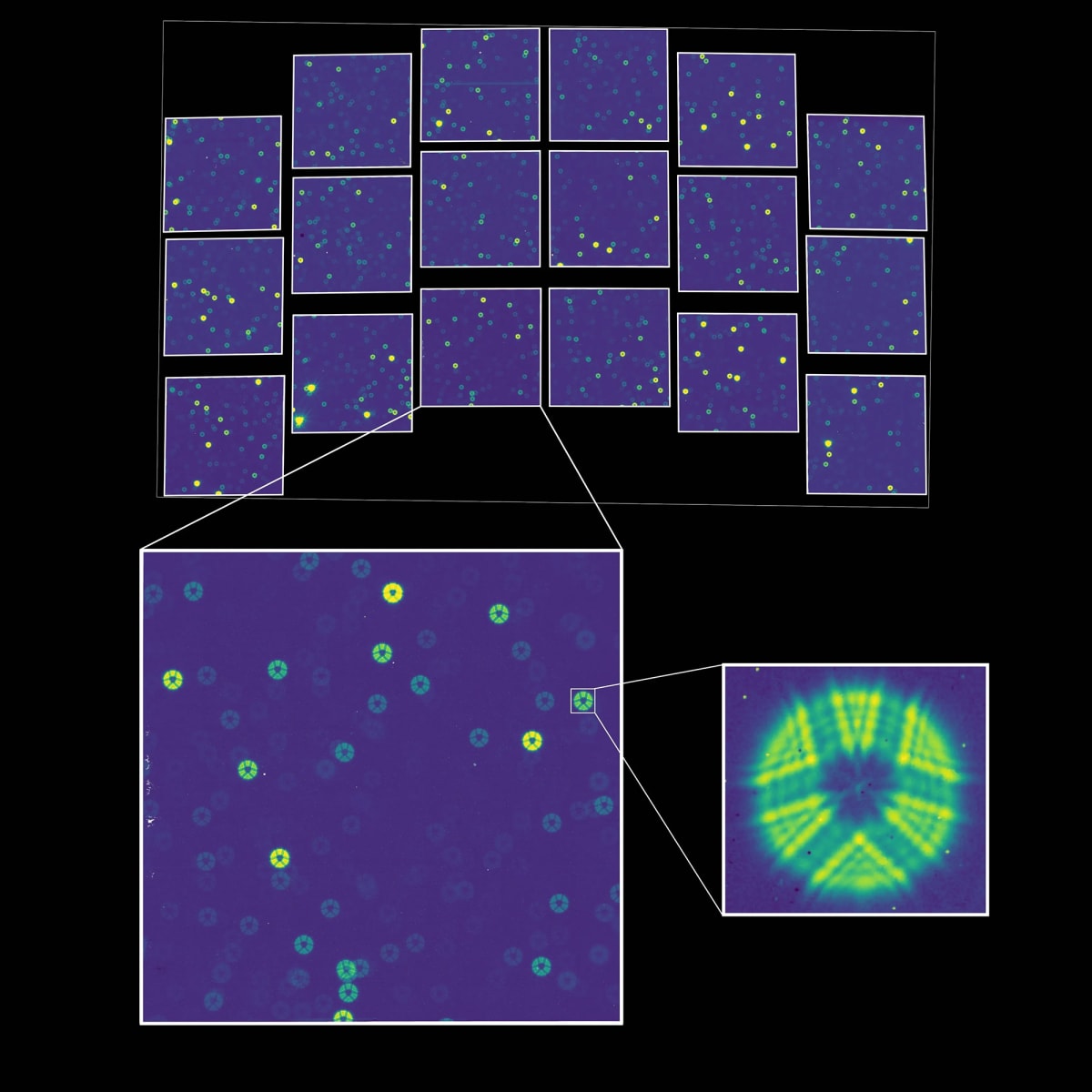
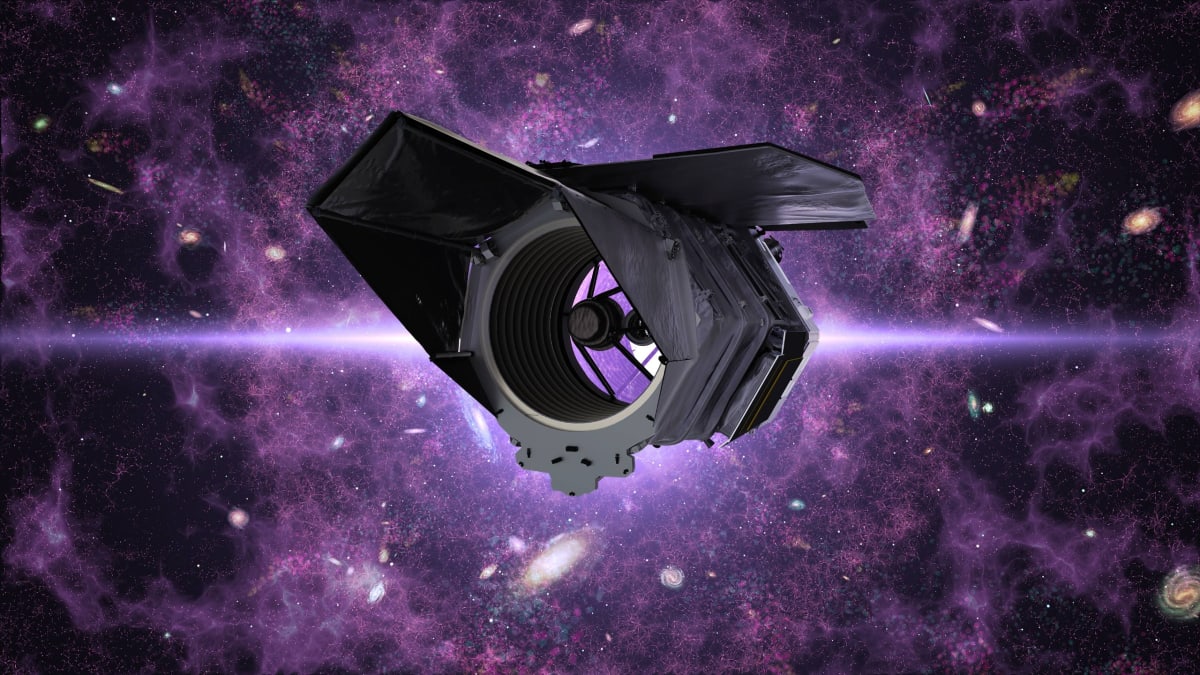
NASA's newest space telescope just opened its eyes for the first time, capturing hundreds of stars with its powerful 300-megapixel camera. The mission could now last 22 years instead of 10, potentially discovering over 100,000 new alien worlds.
The universe just got a whole lot bigger, and NASA's newest space telescope is ready to explore it.
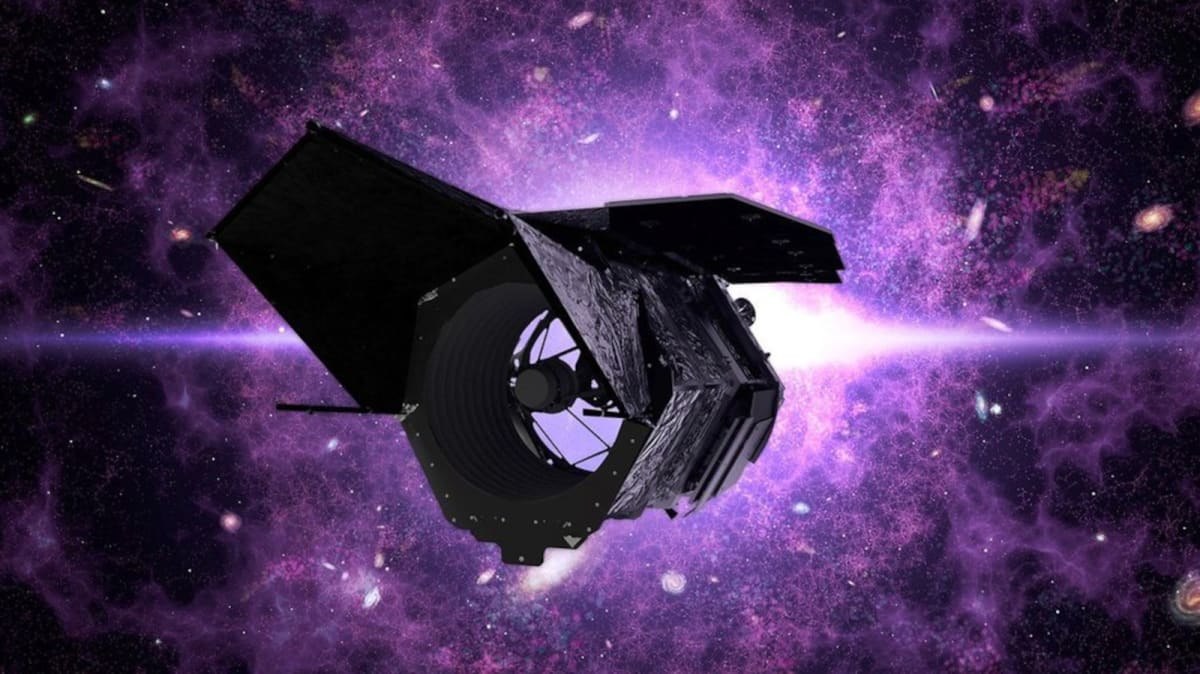
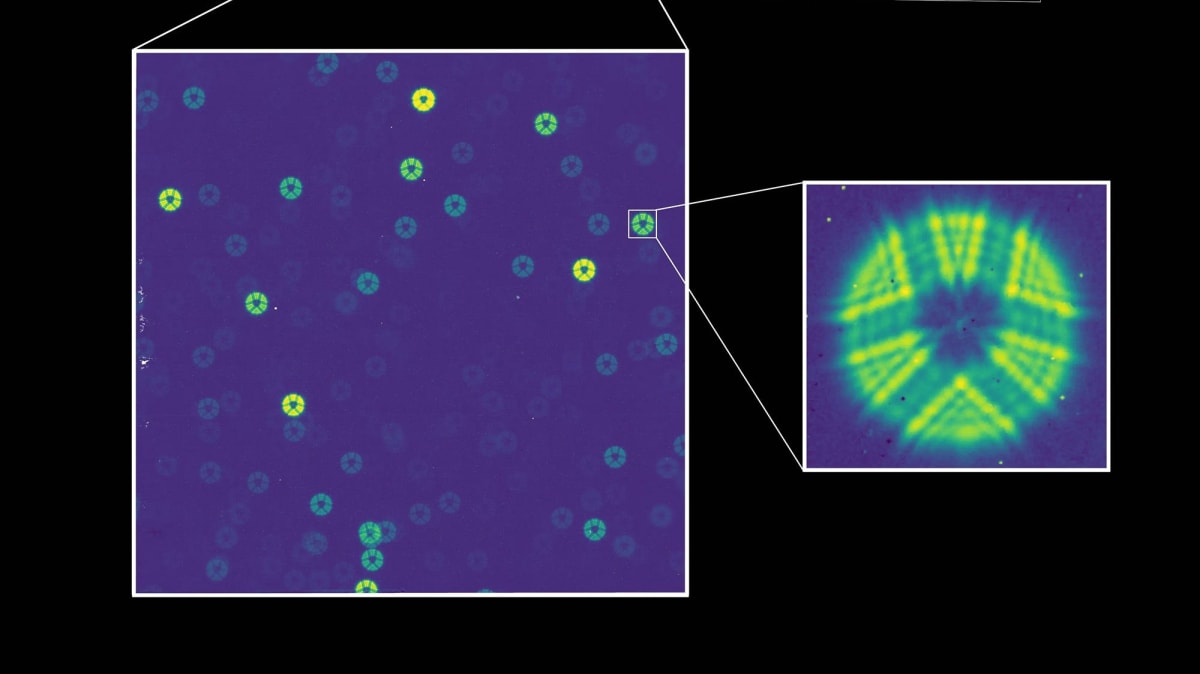
The Nancy Grace Roman Space Telescope activated its massive infrared camera for the first time in September, beaming back images of hundreds of stars from deep space. While the telescope's systems are still being fine-tuned (making the stars look like green loops instead of crisp points), scientists at NASA confirm everything is working perfectly.
Roman launched on August 30 and is currently traveling to its permanent home at Lagrange point L2, a stable spot about a million miles from Earth. It will park alongside the James Webb Space Telescope, where the balanced gravity of Earth and sun will hold it in place.
The real magic happens when Roman becomes fully operational in early 2027. Each image it captures will be as sharp and detailed as those from the legendary Hubble Space Telescope, but 100 times larger. That means astronomers can see vastly more of the universe in a single snapshot.
"After years of effort to build and test the instrument on the ground, we now have confirmation that it is operational in space," said Josh Schlieder, chief scientist for Roman's camera at NASA's Goddard Space Flight Center. "We are on our way to groundbreaking science."
Roman's camera system will beam approximately 1.4 terabytes of data back to Earth every single day. That's five to 10 times more storage than an average smartphone holds, all filled with cosmic discoveries.
Why This Inspires
The telescope's mission goals read like science fiction made real. Long-term surveys of distant galaxies will help scientists calculate how fast the universe is expanding, potentially solving mysteries about dark energy. Roman's built-in coronagraph, which blocks out starlight, will let astronomers study exoplanets without stellar glare getting in the way.
The hunt for alien life is about to accelerate dramatically. Roman could increase the number of known planets beyond our solar system from about 6,000 today to more than 100,000 by the end of its mission.
The best news came as a surprise. A successful thruster test combined with extra fuel loaded before launch means Roman might operate for 22 years instead of the planned 10. Like Hubble, which has far exceeded its original mission timeline, Roman could be revealing cosmic secrets for more than two decades.
Every day in space brings new discoveries closer to reality.
More Images

Based on reporting by Google News - Science
This story was written by BrightWire based on verified news reports.
Spread the positivity!
Share this good news with someone who needs it