Nashville Zoo's 50th Clouded Leopard Born Since 1991
Nashville Zoo celebrated a conservation milestone this spring with the birth of Azi, the 50th clouded leopard born at the facility since 1991. The zoo's three decades of dedication to this vulnerable species shows how zoos serve as vital safety nets for wildlife.
A tiny clouded leopard cub named Azi represents something much bigger than her small spotted frame suggests.
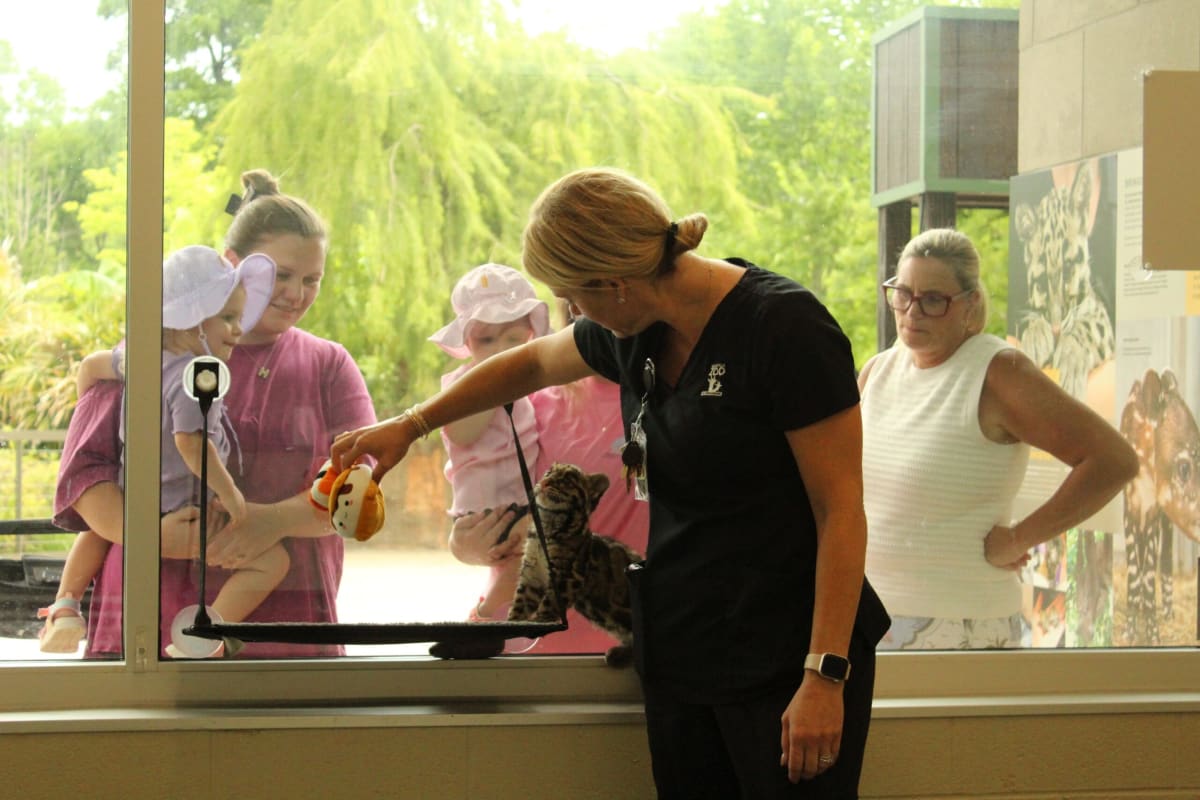
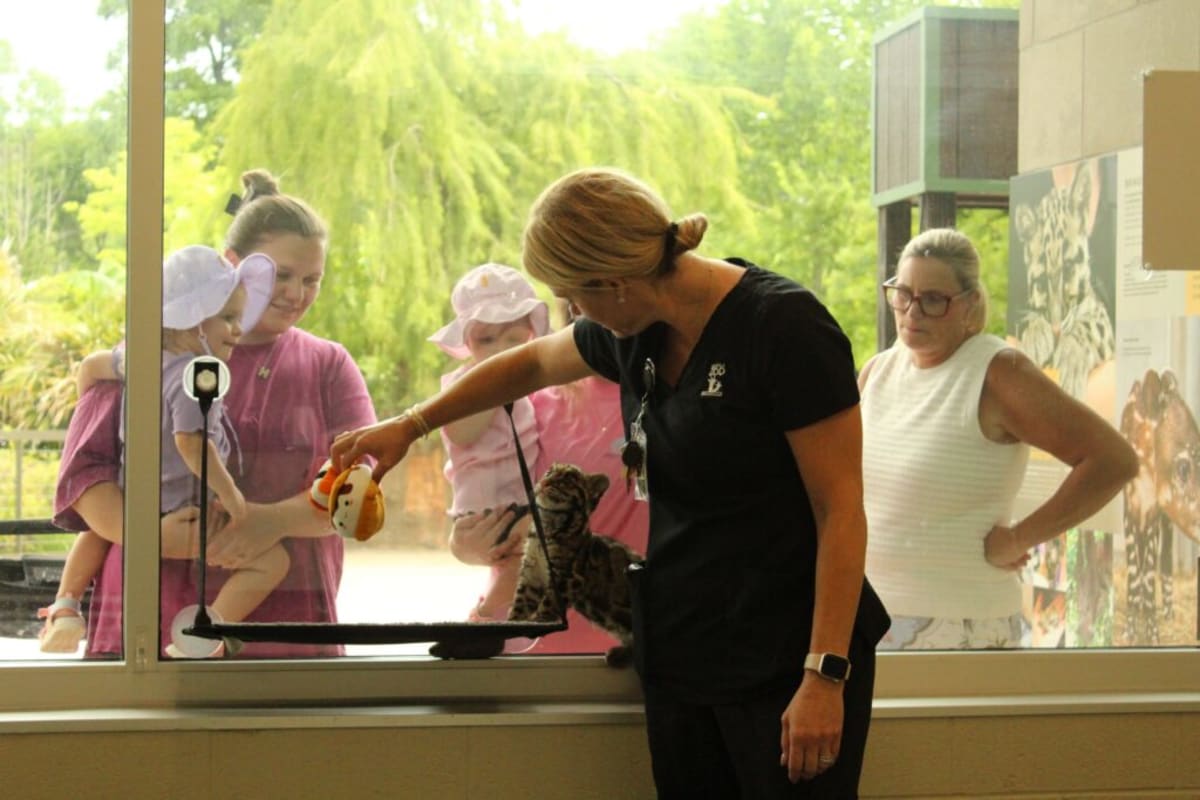
Born on March 18 at Nashville Zoo, Azi became the 50th clouded leopard born at the facility since 1991. She's also the first clouded leopard born at any accredited zoo in North America this year, marking a conservation milestone three decades in the making.
"Clouded leopards are one of our signature species here at Nashville," said Dr. Heather Schwartz, the zoo's Director of Veterinary Services. The zoo has cared for these elusive cats since its earliest days, building expertise that now helps protect the species worldwide.
Caring for clouded leopards requires extraordinary dedication. Each breeding pair needs two holding spaces and two outdoor yards because these cats are naturally solitary and don't typically pair up in the wild. The zoo currently cares for 17 clouded leopards across its property, giving each the space they need to thrive.
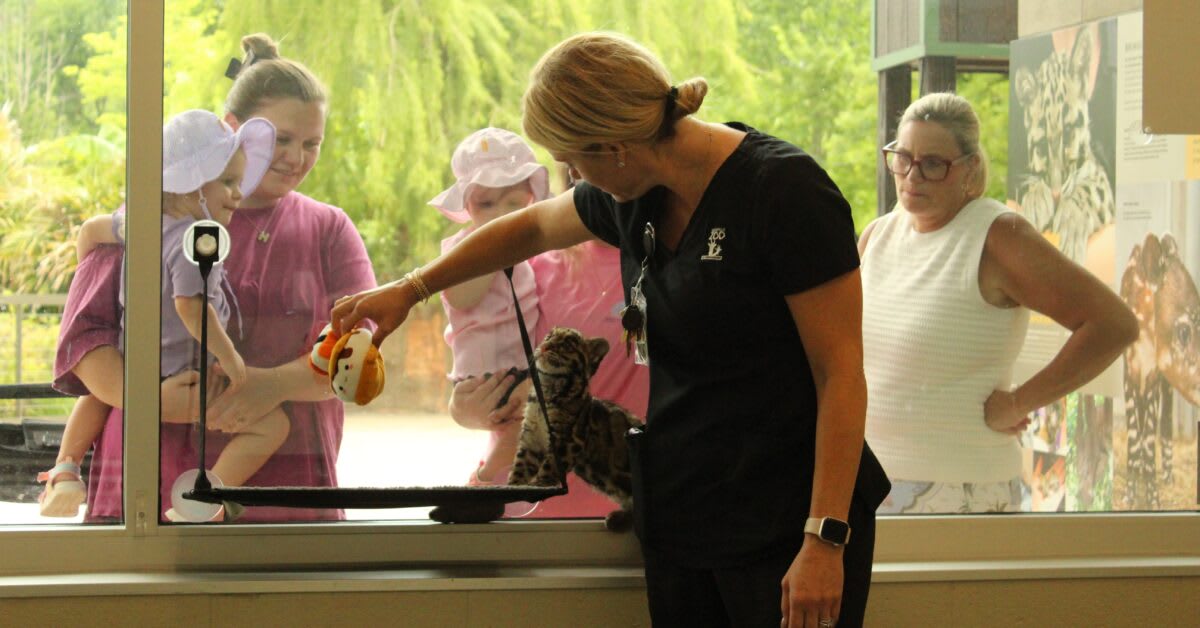
When cubs like Azi arrive, the entire veterinary team shares round-the-clock care. For the first six weeks, someone feeds the cub every few hours, even overnight. Now several months old, Azi has transitioned to eating meat and sleeps through the night.
Over her 16 years at Nashville Zoo, Schwartz has raised more than 30 clouded leopard cubs and cared for around 100 cats total. "When we get the announcement that a baby's born and they're doing well, it makes it all worth it," she said.
The Ripple Effect
Nashville Zoo's success reaches far beyond Tennessee. The zoo works closely with the Association of Zoos and Aquariums' Clouded Leopard Species Survival Plan, which coordinates breeding programs to maintain healthy genetics across North American zoos. When cubs are born, experts collaborate to determine the best future homes, whether for breeding programs or educational exhibits.
Since 2000, Nashville Zoo has also partnered with facilities worldwide through the Clouded Leopard Consortium. Based at Thailand's Khao Kheow Open Zoo, this international effort develops field monitoring projects and breeding programs in the cats' native habitat.
The impact extends to public awareness too. Visitors who meet clouded leopards at Nashville Zoo and partner facilities develop connections to a species they might never encounter otherwise. That emotional connection drives support for conservation efforts both in zoos and in the wild.
Schwartz emphasizes why this work matters. "A lot of people want to know about zoos and why we're here," she said. "Really, we're a safety net for species."
With 8 billion people on Earth, wild habitats have become fragmented islands rather than endless wilderness. For vulnerable species like clouded leopards, zoos provide expertise, genetic diversity, and hope for survival.
Azi's future is already being planned by the Species Survival Plan coordinators, who hope to pair her with a male cub born this year at another accredited zoo. Someday, this tiny cub might start her own family, continuing Nashville Zoo's legacy of protecting clouded leopards for generations to come.
More Images

Based on reporting by Google News - Conservation Success
This story was written by BrightWire based on verified news reports.
Spread the positivity!
Share this good news with someone who needs it