National Parks Use Sound Labs to Protect Wildlife
Students are listening to recordings from microphones hidden in national parks, helping rangers protect wildlife and improve your next visit. Over 20 years of nature's soundtrack is now guiding how parks manage everything from trails to endangered species.
Imagine being paid to listen to birdsong, rustling leaves, and babbling brooks all day. That's exactly what students at Pennsylvania State University's Protected Areas Research Collaborative Listening Lab do, and their work is transforming how America's national parks operate.
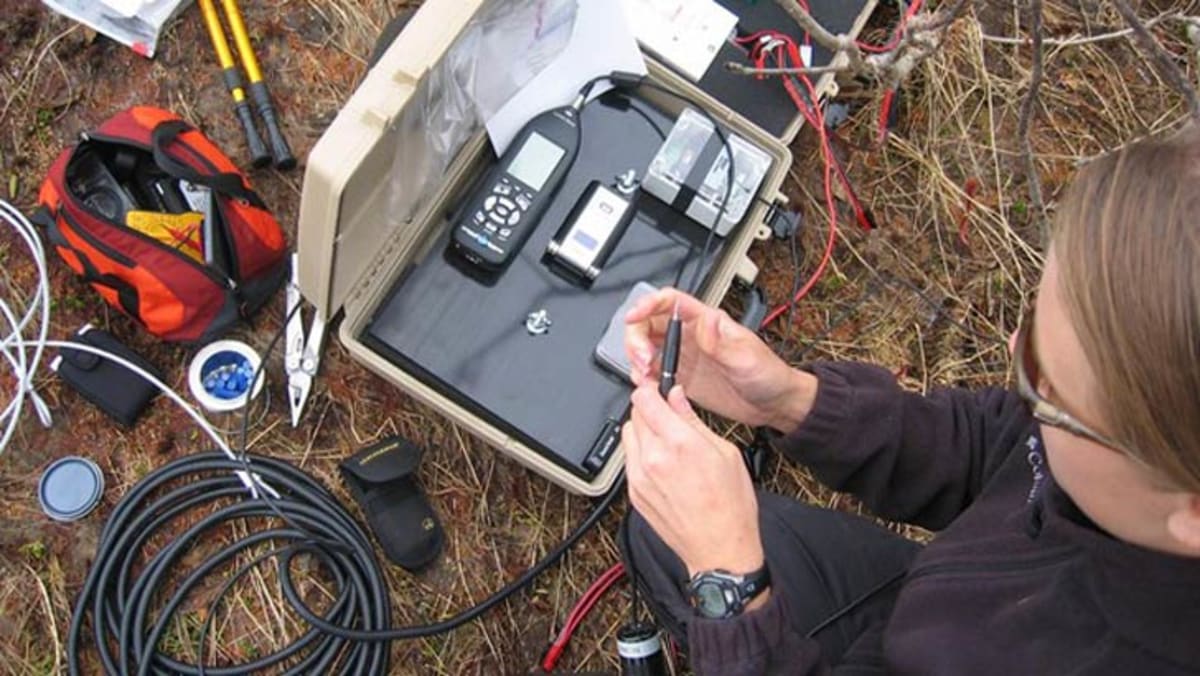
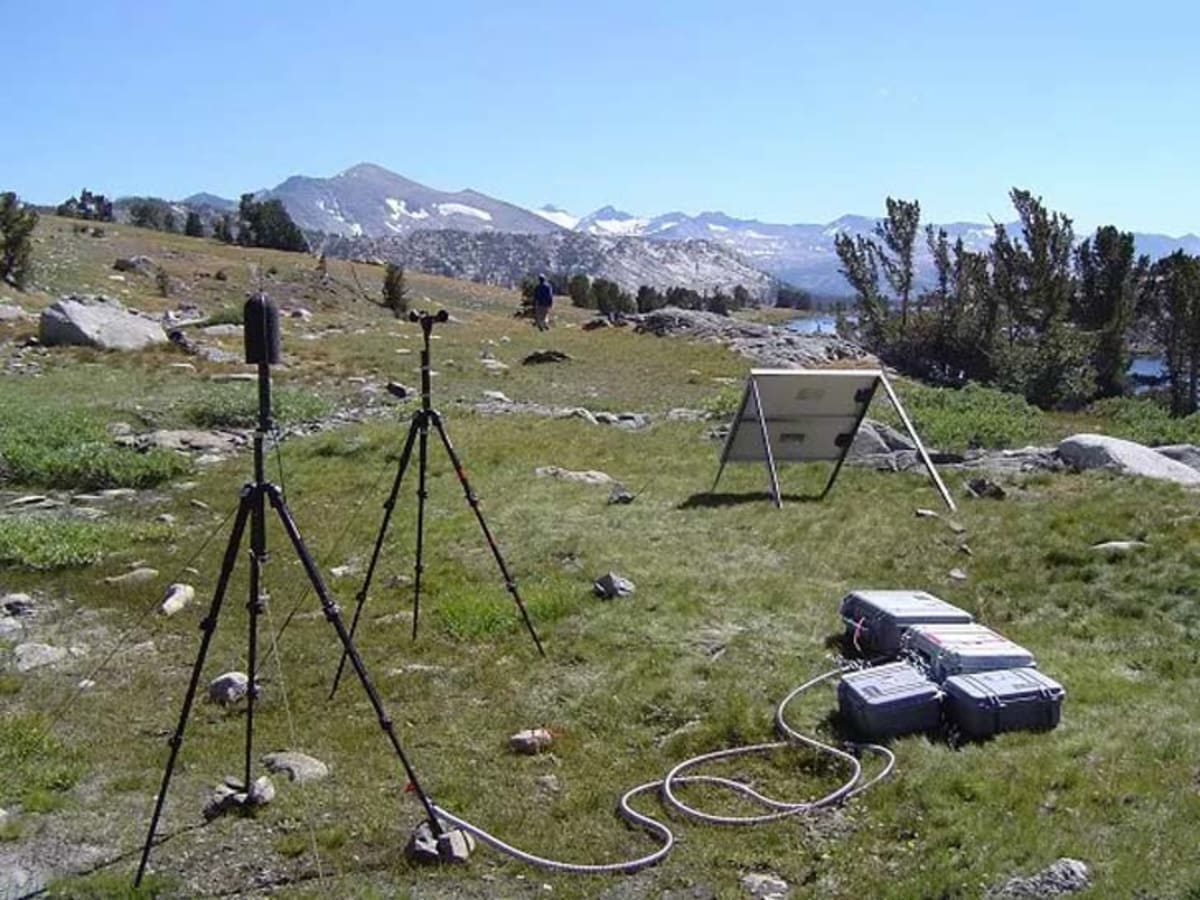
Scientists have placed microphones throughout national parks that send recordings back to the lab. Students analyze every sound, from elk calls to wind patterns, creating detailed inventories that park officials use to make smarter conservation decisions.
The goal is surprisingly simple. Before parks can protect their natural soundscapes, they need to know what normal sounds like. That baseline helps rangers understand when something changes, whether it's a declining bird population or increasing human noise disrupting wildlife.
"We need to understand how ecosystems across the globe are changing, and understanding base-level natural sounds helps do that," said Peter Newman, co-director of PARC. Once they have that baseline, they can track how human activity affects animals and their habitats.
The recordings serve double duty. Beyond wildlife monitoring, the data reveals how visitors use parks, helping officials improve trails, parking, and transportation. If too many people cluster in one area, sound analysis shows it before the land gets damaged.
The lab now holds over 20 years of soundscapes. That archive lets parks compare today's acoustic environment to decades past, spotting trends that would be impossible to notice year by year.
The Ripple Effect
This sound library does more than help individual parks. It's creating a global understanding of how natural environments change over time. Parks worldwide can use these techniques to protect their own ecosystems before problems become irreversible.
The archive also preserves something precious: the actual sounds that make each park unique. Future generations might hear what Yosemite or the Great Smoky Mountains sounded like in 2024, even if those soundscapes eventually change.
Graduate researcher Morgan Crump sees the human side of this work too. "For so many people, nature is that escape from reality, and soundscapes are a significant part of that," she said. Protecting those peaceful sounds protects what draws millions of visitors to parks each year.
The National Park Service has made many of these recordings available to the public online. You can now listen to the sounds of parks you've never visited, or revisit the acoustic memory of your favorite trail.
If a tree falls in the forest and no one hears it, chances are pretty good that Penn State's listening lab caught it on tape.
More Images

Based on reporting by Good Good Good
This story was written by BrightWire based on verified news reports.
Spread the positivity!
Share this good news with someone who needs it