Nations Agree on First Safety Code for Robot Ships
After eight years of international cooperation, over 100 countries just created the world's first safety rules for autonomous cargo ships. The breakthrough code gets published next month and marks a major step toward self-navigating vessels becoming reality.
Ships that steer themselves across oceans just moved from science fiction to regulated reality.
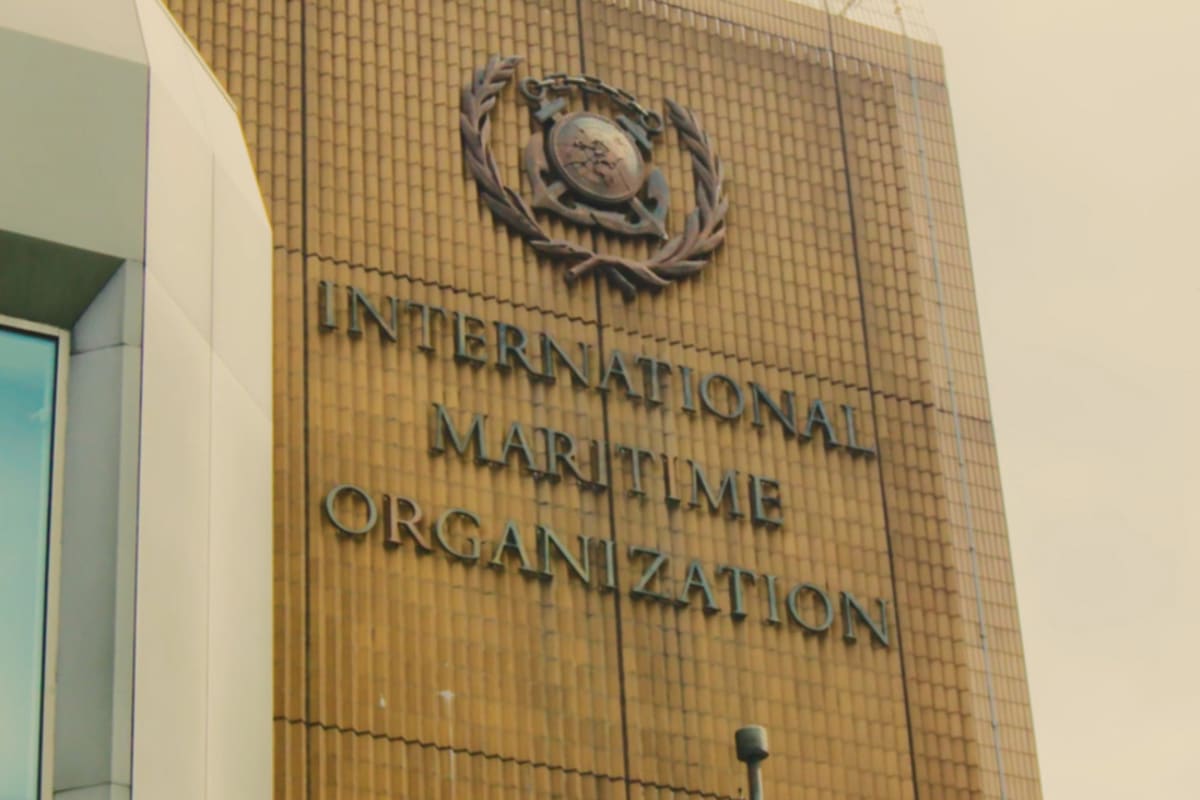
The International Maritime Organization announced in May that over 100 nations agreed on the first international safety code for Maritime Autonomous Surface Ships. The breakthrough came after eight years of negotiations between countries, industry experts, and academics working to answer a complex question: how do we safely regulate cargo ships with no crew onboard?
The United Kingdom's Maritime and Coastguard Agency helped lead the charge. Their autonomy team worked alongside the Department for Transport and industry partners to shape standards that balance innovation with safety. Their goal was creating rules practical enough for companies to follow while keeping everyone on the water protected.
The new code covers remotely operated and fully autonomous cargo ships. Think of it like the difference between flying a drone from your backyard and programming one to deliver packages independently. Both types now have clear international guidelines to follow.
The code gets published July 1st, though it starts as non-mandatory. That's intentional. Maritime officials want ships to test the waters first, literally and figuratively, before making the rules required. This experience-building phase will help refine the code based on real-world lessons.
The Ripple Effect
This agreement matters beyond the shipping industry. About 90% of global trade travels by sea. Autonomous ships promise safer voyages by removing human error, which causes most maritime accidents. They could also reduce costs and environmental impact through optimized routes and fuel efficiency.
The framework also shows what global cooperation can achieve. Getting 100 countries to agree on cutting-edge technology regulations typically takes decades or never happens at all. This team did it in eight years by focusing on shared priorities: safety, fairness, and consistency across borders.
Leanne Page from the Maritime and Coastguard Agency called it "game-changing progress" delivered by nations working together on pragmatic standards. The maritime industry operates globally, so ships need rules that work everywhere, not just in home ports.
The UK's next industry meeting happens June 30th, where officials will gather feedback to strengthen the code. They're asking maritime professionals to share insights that ensure the standards support both innovation and safety.
Countries will continue negotiating toward a mandatory version of the code. That process builds on this foundation, using real-world data from ships operating under the current guidelines. Each voyage will teach regulators something new about making autonomous shipping work safely.
The seas are changing, and now the rules are finally catching up.
More Images
Based on reporting by Google: cooperation international
This story was written by BrightWire based on verified news reports.
Spread the positivity!
Share this good news with someone who needs it