Native American Graduation Rates Soar 55% in Seven Years
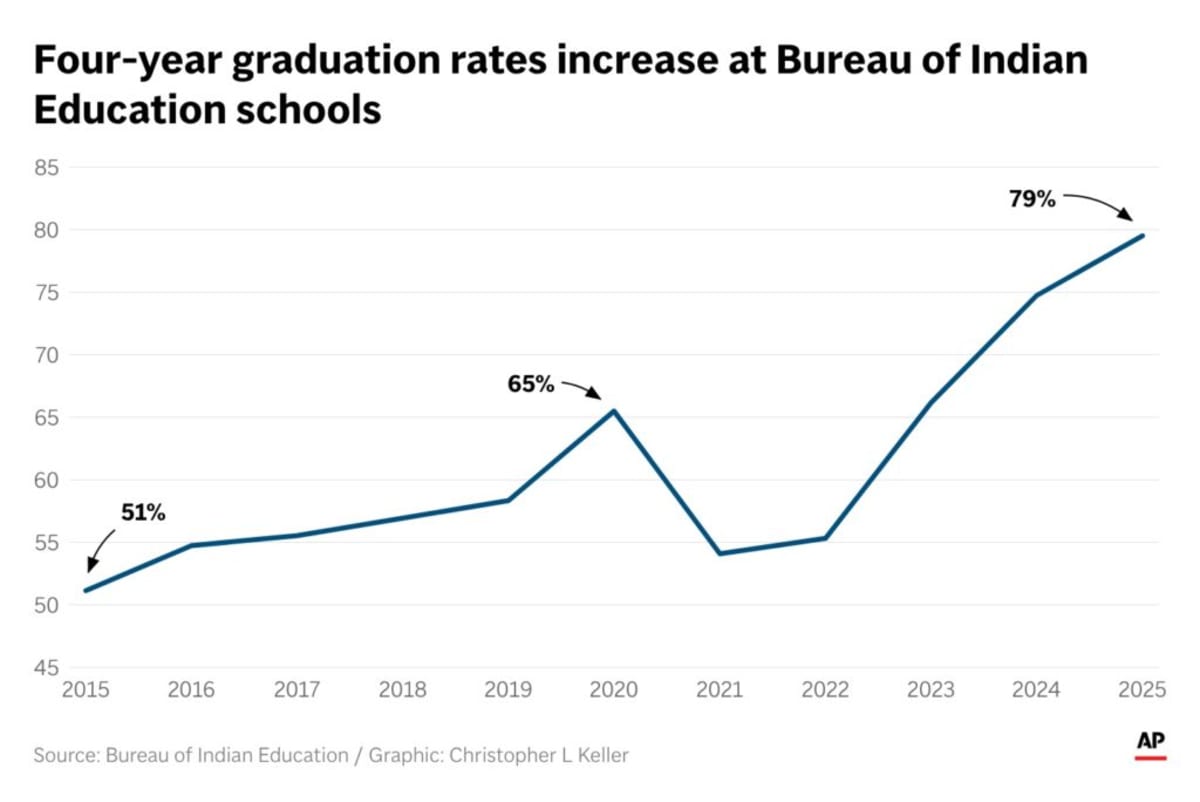
High schools serving Native American students have seen graduation rates jump from 51% to 79% in a decade, thanks to better data tracking and programs that connect students with hands-on career training. Real innovations at tribal schools are keeping kids engaged and excited about their futures.
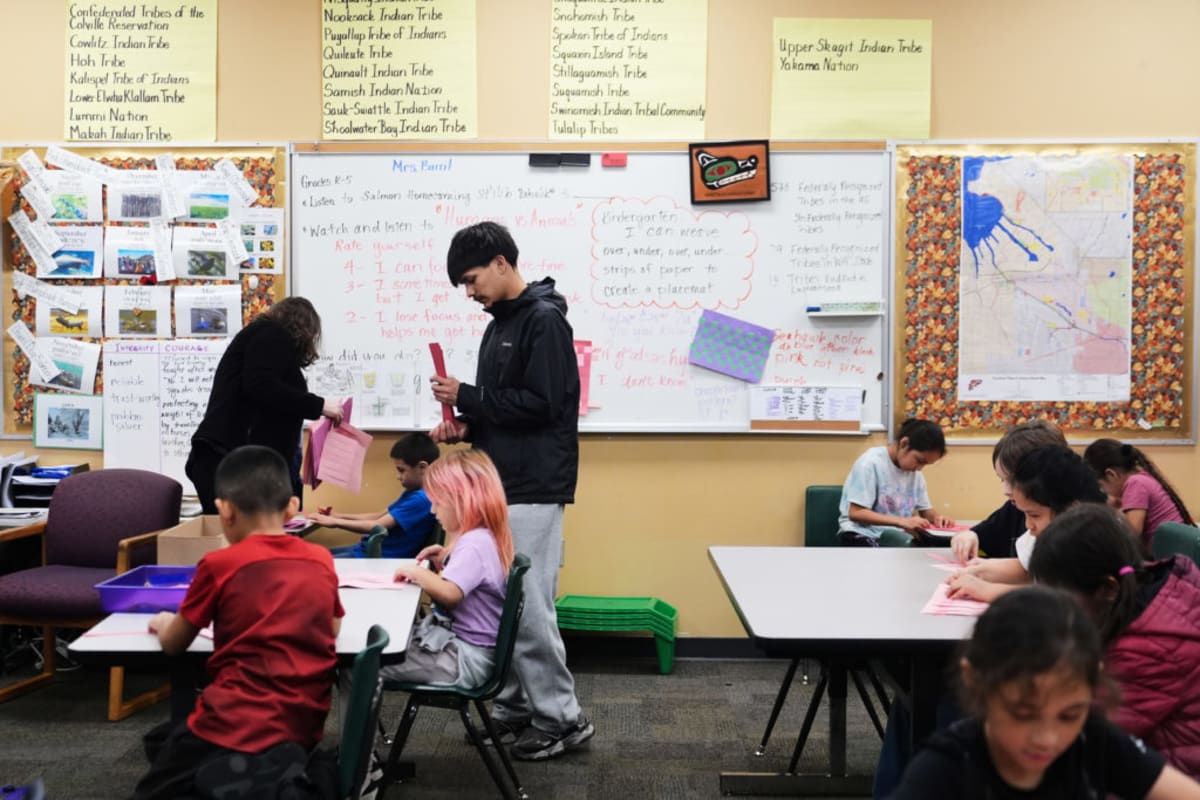
When Gerald Dillon walked into a second grade classroom as a teaching assistant during his senior year, everything changed. The 18-year-old who once found school boring suddenly had a reason to show up every day.
"It was kind of the first time I felt excited to go to school," Dillon said. He graduated in June from Chief Leschi Schools on the Puyallup Reservation in Washington and is now considering a teaching degree.
His story reflects a remarkable turnaround happening across 183 schools operated by the U.S. Bureau of Indian Education, which serves over 40,000 Native American students. In 2015, barely half of high schoolers graduated on time. By 2025, that number hit a record 79%.
Part of that jump came from fixing broken systems. For years, schools counted students who transferred as dropouts, making their numbers look worse than reality. Starting in 2018, the BIE standardized how schools track graduation data across the entire system.
"We had to come to a consensus and set an accountability framework for our schools," said Carmelia Becenti, the agency's chief academic officer. The new methods revealed the truth: more students were succeeding than anyone realized.
But better counting only tells part of the story. At Chief Leschi Schools, administrators noticed a disconnect between pushing every student toward college and what many actually wanted: good jobs after graduation.
Superintendent Don Brummett knew something had to change. "We devalued the trades. That was a mistake," he said.
The school launched career and technical training in 2020, offering programs in health sciences, education, and fisheries management. Students who might have dropped out found new motivation through hands-on learning that matched how they think and work.
The results speak for themselves. Chief Leschi's four-year graduation rate jumped from 53% to 87% between 2019 and 2025.
Other schools found their own solutions. Choctaw Central High School in Mississippi kept virtual learning options after COVID ended, giving students with jobs or family responsibilities the flexibility to earn their diplomas. Their graduation rate climbed from 70% to 93%.
The Ripple Effect
These innovations show what's possible when schools adapt to meet students where they are. Nine BIE secondary schools have seen their graduation rates double or more since standardized reporting began.
For Dillon, helping second graders practice reading and learn about frog life cycles gave him purpose and direction. That simple shift from lectures to real-world experience made all the difference.
Thousands of Native American students are now walking across graduation stages who might not have just a few years ago, ready to build careers and strengthen their communities.
More Images



Based on reporting by Google News - School Innovation
This story was written by BrightWire based on verified news reports.
Spread the positivity!
Share this good news with someone who needs it