Native Bamboo Returns to NC as Post-Helene Climate Fix
After losing 98% of its rivercane to development, Western North Carolina is replanting the native bamboo that once protected streams from flooding. Following Hurricane Helene's devastation, communities are rediscovering what Cherokee people always knew: this humble plant is a natural disaster shield.
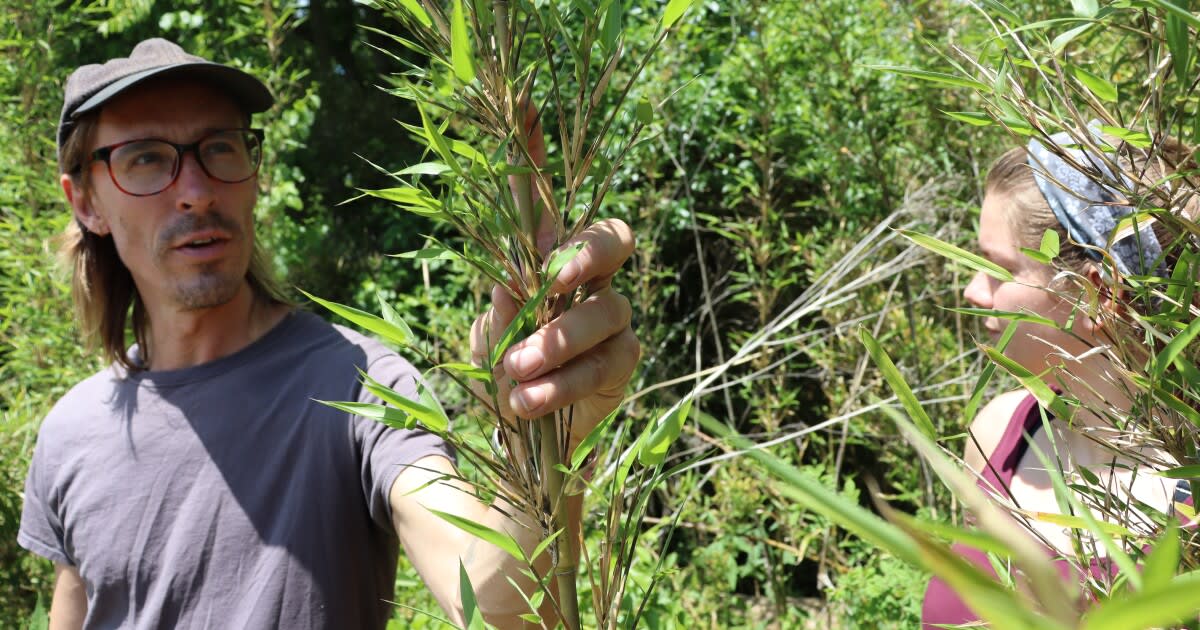
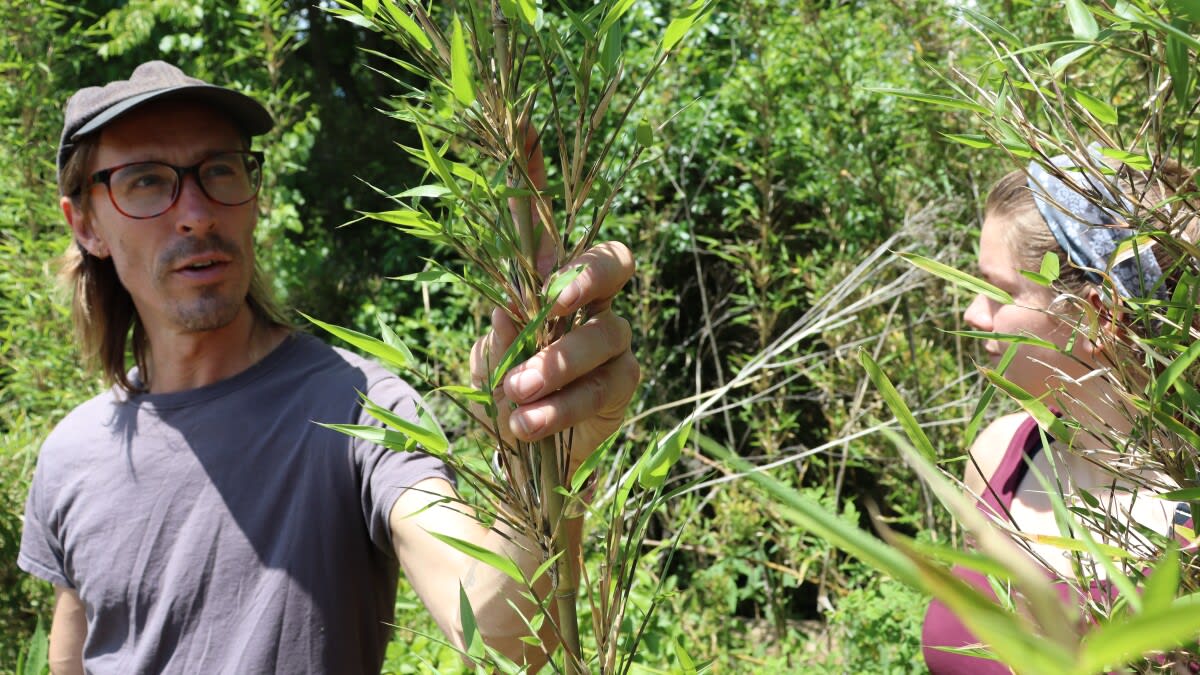
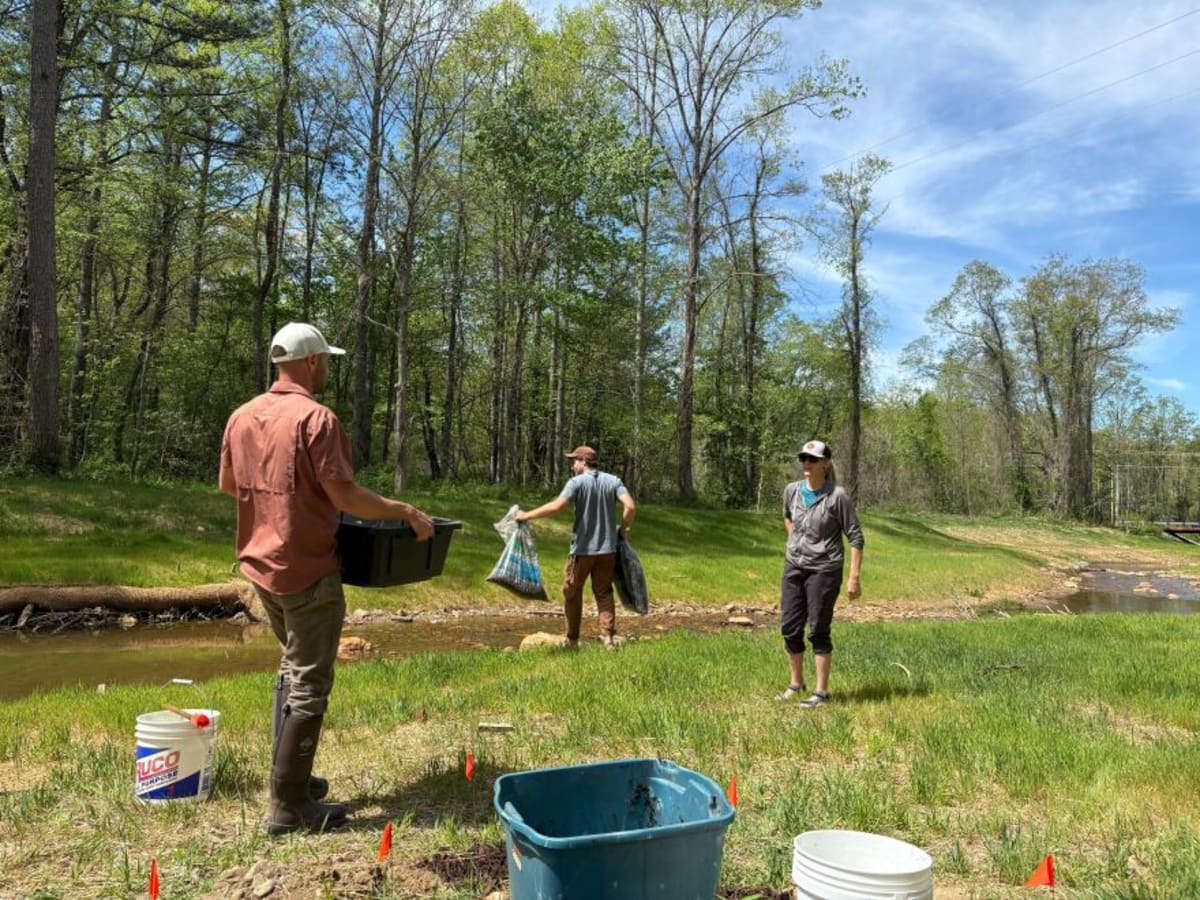
In Fairview, North Carolina, volunteers are returning a forgotten hero to Cane Creek, one plant at a time.
The cargo isn't fancy. Buckets and tubs hold small rivercane plants, a native bamboo that once blanketed Western North Carolina's riverbanks. But what these plants can do is remarkable: absorb stormwater, trap sediment, prevent erosion, and shield communities from flooding.
Over 450 places in the Southeast carry cane-related names, remnants of a time when rivercane thrived everywhere. Then European settlers arrived and saw it as a weed to be plowed under. Centuries of development stripped away 98% of all rivercane across the region.
Hurricane Helene made the cost of that loss painfully clear. Cane Creek flooded badly during the storm, and flooding was worse because deep-rooted native plants weren't there to catch and slow the water.
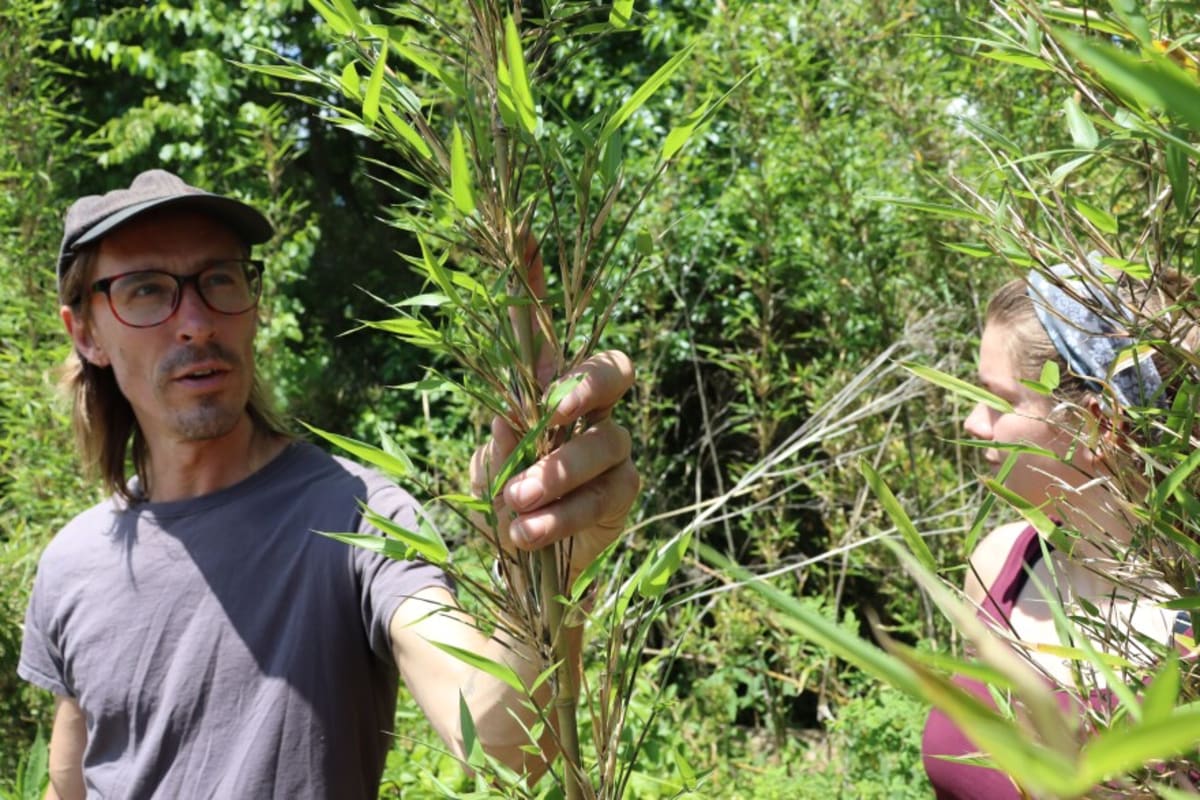
Adam Griffith, a cooperative extension agent for the Eastern Band of Cherokee Indians, has become the region's unofficial rivercane wrangler. He knows that if these new plants survive their first summer, their chances of long-term survival are excellent. Their roots will spread into what he calls a "super dense jungle gym" underground, forming natural flood barriers for future storms.
Since Helene, Griffith has seen demand for rivercane explode. Government agencies, nonprofits like RiverLink and MountainTrue, and colleges including Warren Wilson and UNC-Asheville are all launching planting projects. They're turning to the Eastern Band of Cherokee for guidance.
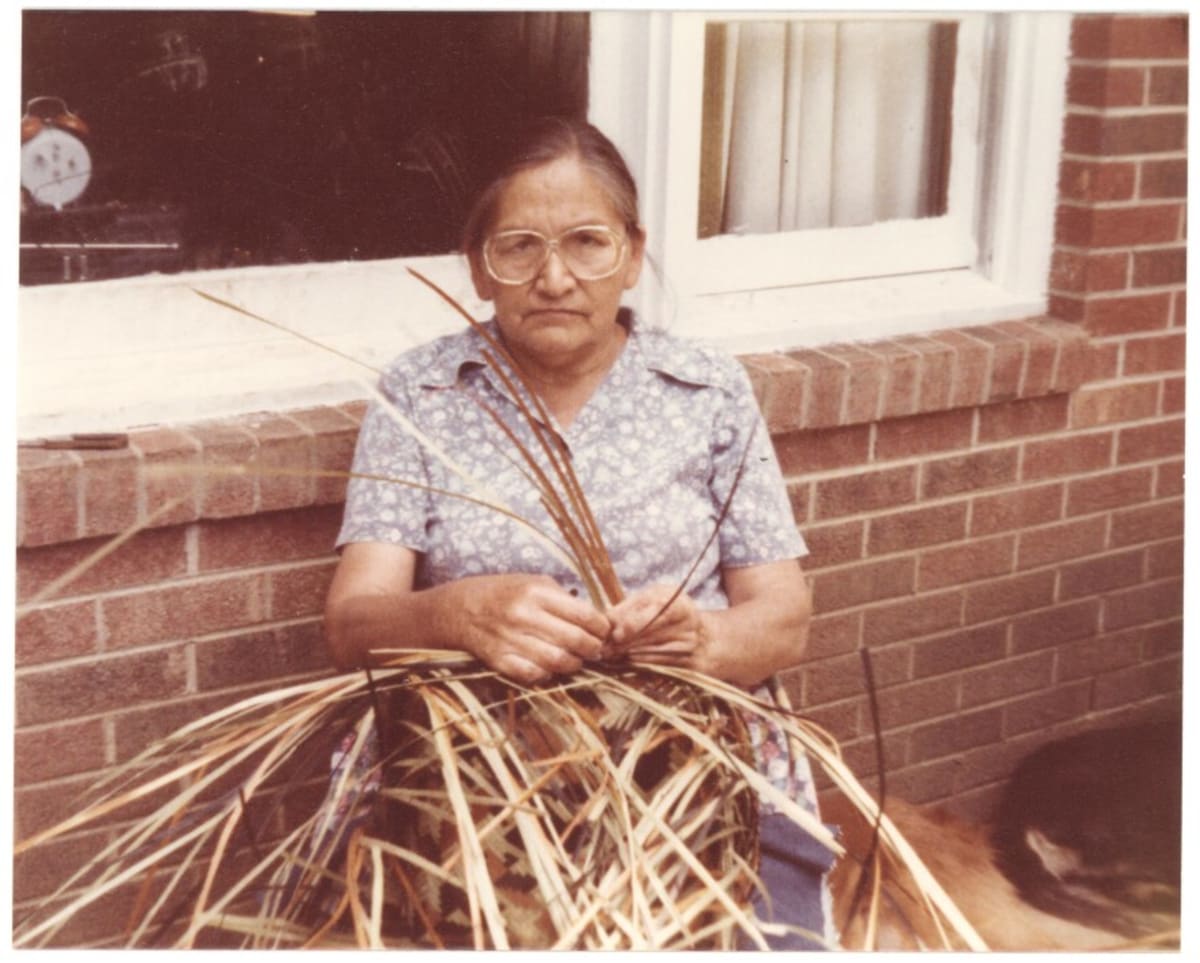
For Cherokee basketweaver Mary Thompson, this moment feels like long-overdue recognition. Her people have used rivercane for at least 15,000 years, for everything from housing to musical instruments to the intricate baskets she weaves today.
"Now I think that people are starting to recognize the science behind what we did as a tribe," Thompson said. Cherokee knowledge always included understanding how canebrakes controlled flooding and how prescribed burns could manage the landscape.
But Thompson has to drive hours to Kentucky to find rivercane for her basketry. She's teaching her children and other kids in the community her craft, but they need local access to the material their ancestors worked with for millennia.
The Ripple Effect
The rivercane revival connects climate resilience with cultural preservation in a way that benefits everyone. As new canebrakes grow, they'll protect communities from floods while providing Cherokee artisans with materials for their traditional crafts. Students at Warren Wilson College are now studying how to best restore these native stands along the Swannanoa River, learning from both ecological science and indigenous knowledge.
The plants going into the ground today will become living flood insurance, cooling streams, creating wildlife habitat, and reconnecting a community with its heritage, one root at a time.
More Images
Based on reporting by Google News - Climate Solution
This story was written by BrightWire based on verified news reports.
Spread the positivity!
Share this good news with someone who needs it