Native Bamboo Returns to North Carolina as Climate Fix
After losing 98% of its rivercane to development, Western North Carolina is bringing back the native bamboo that once prevented flooding. Hurricane Helene has sparked renewed interest in this natural solution.
A native plant that once blanketed North Carolina's riverbanks is making a comeback, and it could help prevent future flooding disasters like Hurricane Helene.
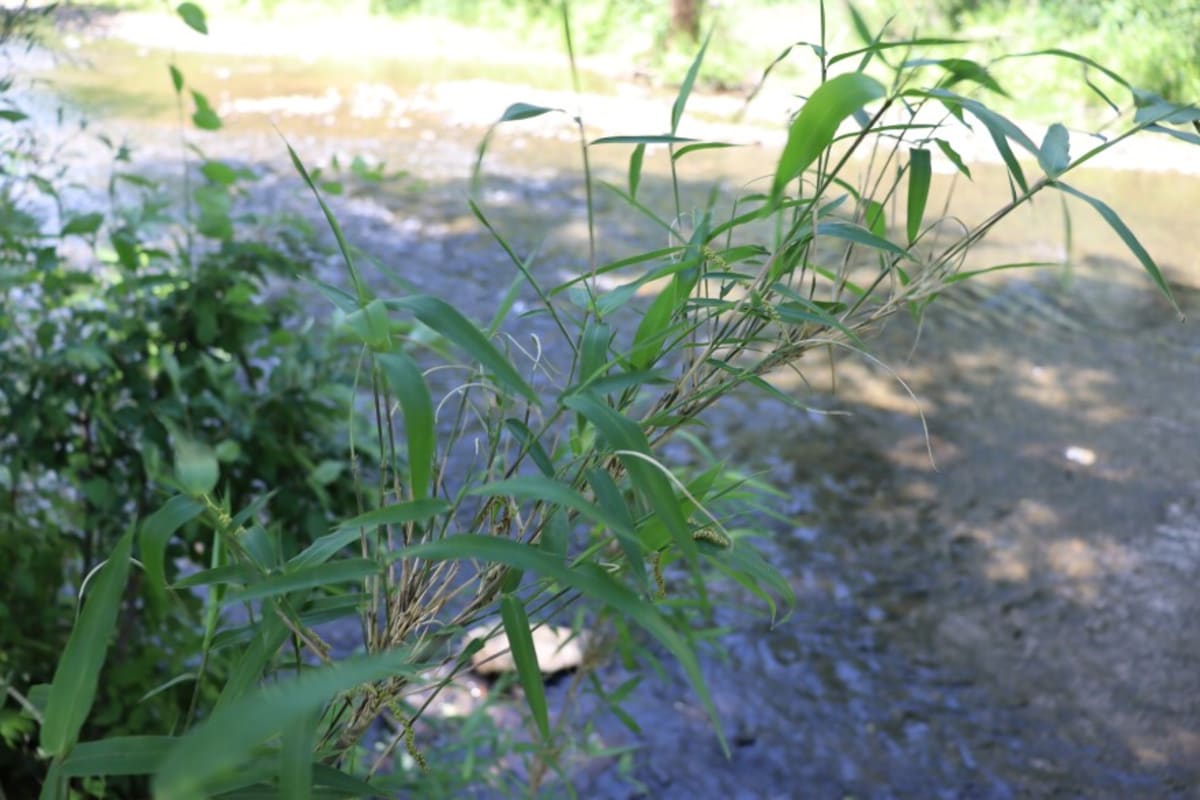
Rivercane, a grassy bamboo that covered western North Carolina for thousands of years, nearly disappeared when European settlers mistook it for a weed. Over centuries, 98% of all rivercane in the Southeast was plowed under or mowed down to make room for farms and development.
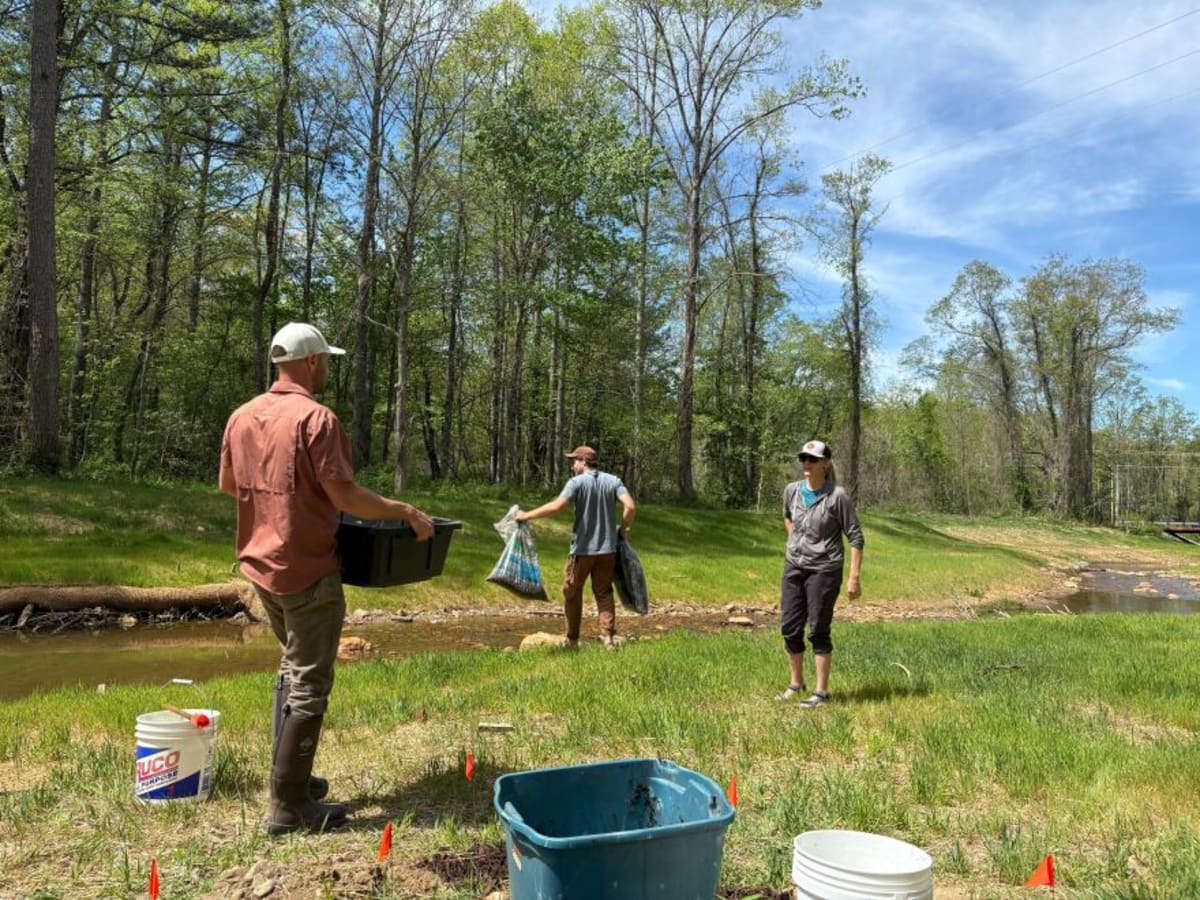
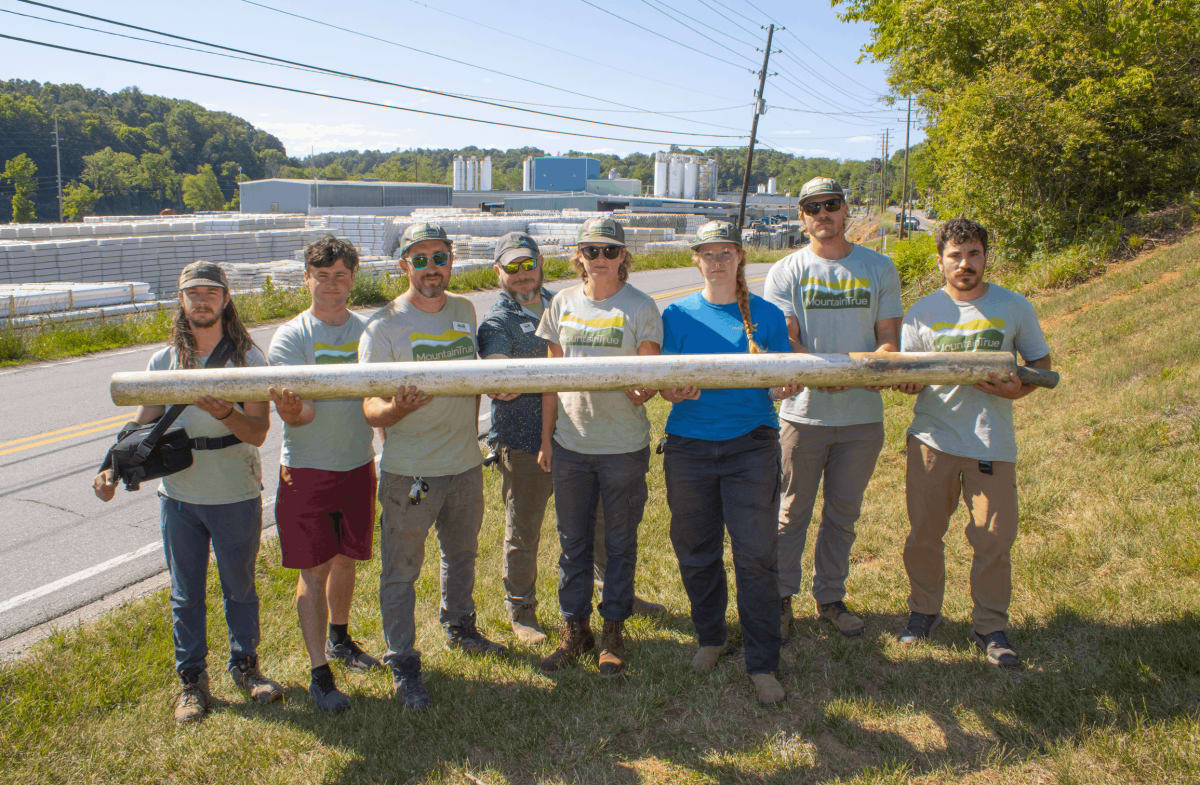
Now crews across the region are replanting it along creeks and rivers. On a warm spring day in Fairview, six people unloaded buckets of young rivercane plants and carefully placed them along Cane Creek, a waterway likely named for the very plant they were returning to its banks.
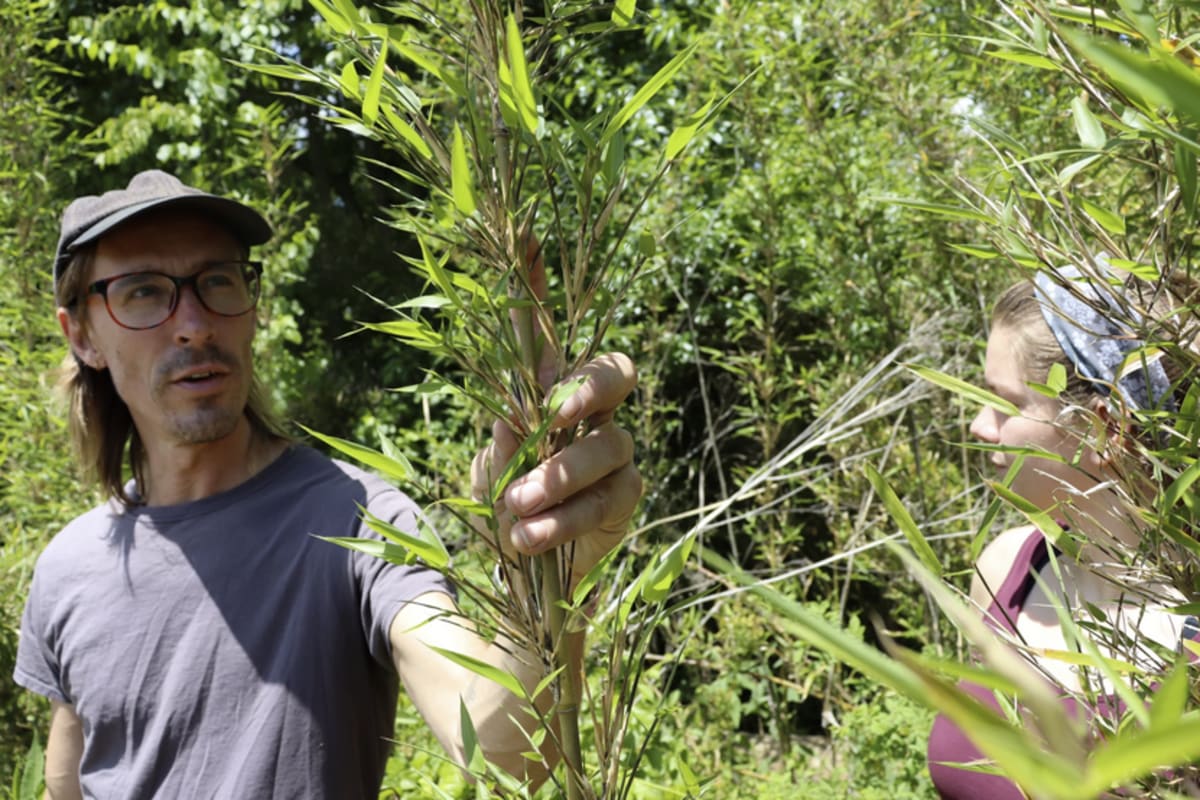
Adam Griffith, who works with the Eastern Band of Cherokee Indians, has become the region's go-to rivercane expert. He counts more than 450 cane-related place names across the Southeast, evidence of how widespread these plants once were.
The plant's superpowers lie underground. Rivercane roots form dense networks that grab onto soil, slow down stormwater, and hold riverbanks together during floods. They also shade streams, keeping water cool for fish and other wildlife.
When Hurricane Helene tore through the region, Cane Creek flooded badly. Without deep-rooted native plants to slow the water, the damage was worse than it needed to be.
Since then, Griffith has seen a surge of interest in rivercane restoration. Government agencies, nonprofits like RiverLink and MountainTrue, and colleges including Warren Wilson and UNC-Asheville are all starting planting projects.
The Ripple Effect
For the Eastern Band of Cherokee Indians, rivercane's return means more than flood control. The plant has been central to Cherokee culture for at least 15,000 years.
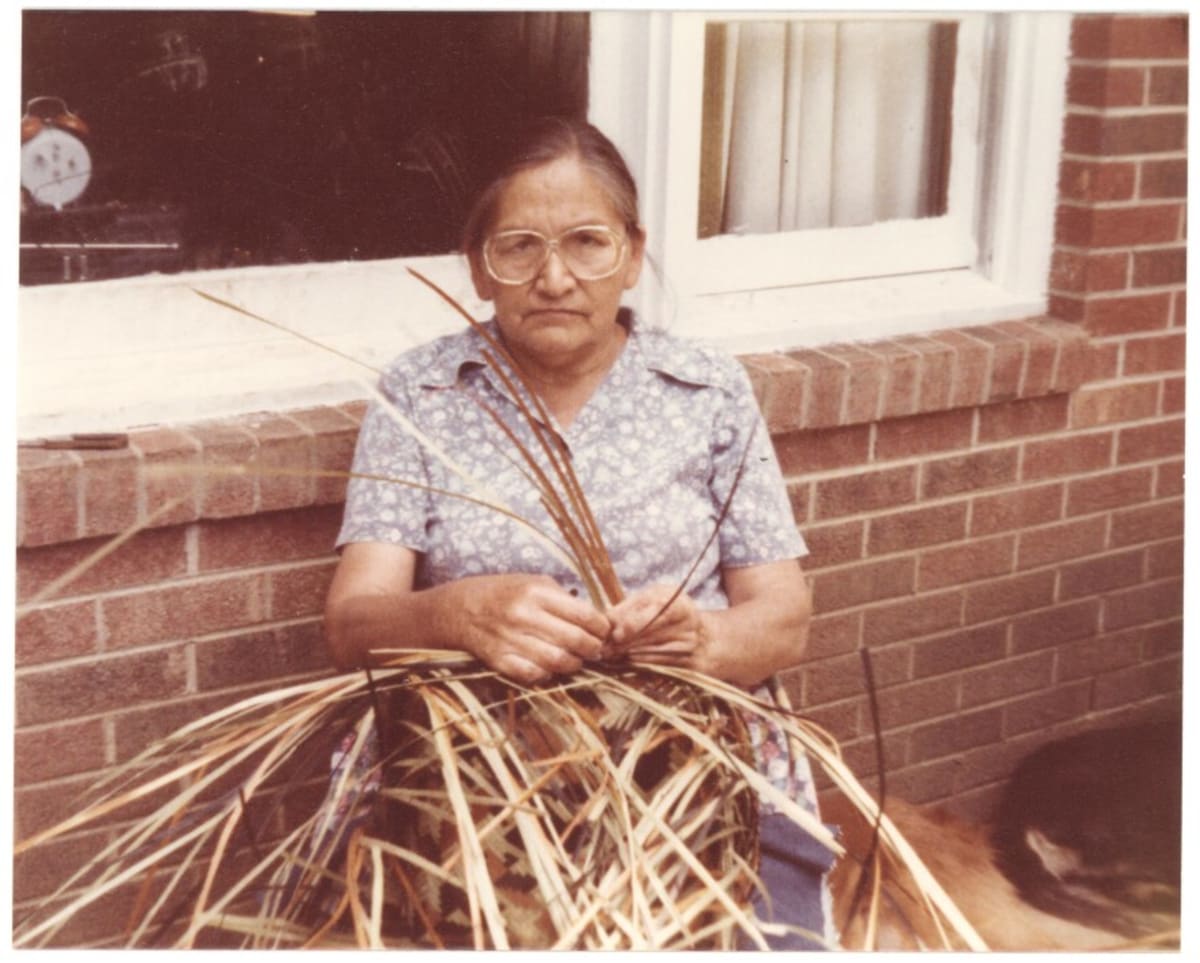
Mary Thompson, a Cherokee basketweaver, remembers when rivercane was everywhere. Her ancestors used it for baskets, musical instruments, housing materials, toys, and weapons. Today she drives hours to Kentucky just to find enough rivercane for her crafts.
Thompson is teaching the next generation of Cherokee youth her basketweaving skills, but they need access to the raw material. As rivercane spreads again across western North Carolina, it's bringing back both an ecosystem and a cultural tradition.
The Cherokee people always knew what rivercane could do. They managed canebrakes with controlled burns and monitored their health generation after generation. Thompson said modern scientists are finally recognizing the wisdom her tribe held all along.
At Warren Wilson College, graduate students are now studying rivercane stands along the Swannanoa River. The feathery green fronds are growing taller each year, some now hovering over the researchers' heads.
If these young plants survive their first summer, their chances of long-term survival jump dramatically. Within a few years, they'll form the thick canebrakes that once defined the region's landscape and protected its people from floods.
More Images
Based on reporting by Google News - Climate Solution
This story was written by BrightWire based on verified news reports.
Spread the positivity!
Share this good news with someone who needs it