Nauru Reclaims Indigenous Name in Historic Vote
The Pacific island nation of Nauru is voting to restore its original Indigenous name, Naoero, reversing more than a century of colonial mispronunciation. Nearly 10,000 citizens will decide whether to honor their heritage by changing the country's official name back to what their ancestors always called it.
A tiny island nation is taking back its voice, one syllable at a time.
Nauru's parliament just passed a constitutional amendment to officially rename the country "Naoero," the name its Indigenous people have used for generations. President David Adeang, who proposed the change in January, said the current name exists only because colonizers couldn't pronounce the original correctly.
"Nauru emerged because Naoero could not be properly pronounced by foreign tongues, and was changed not by our choice, but for convenience," the government explained. Now a national referendum will let the island's nearly 10,000 citizens validate this return to their roots.
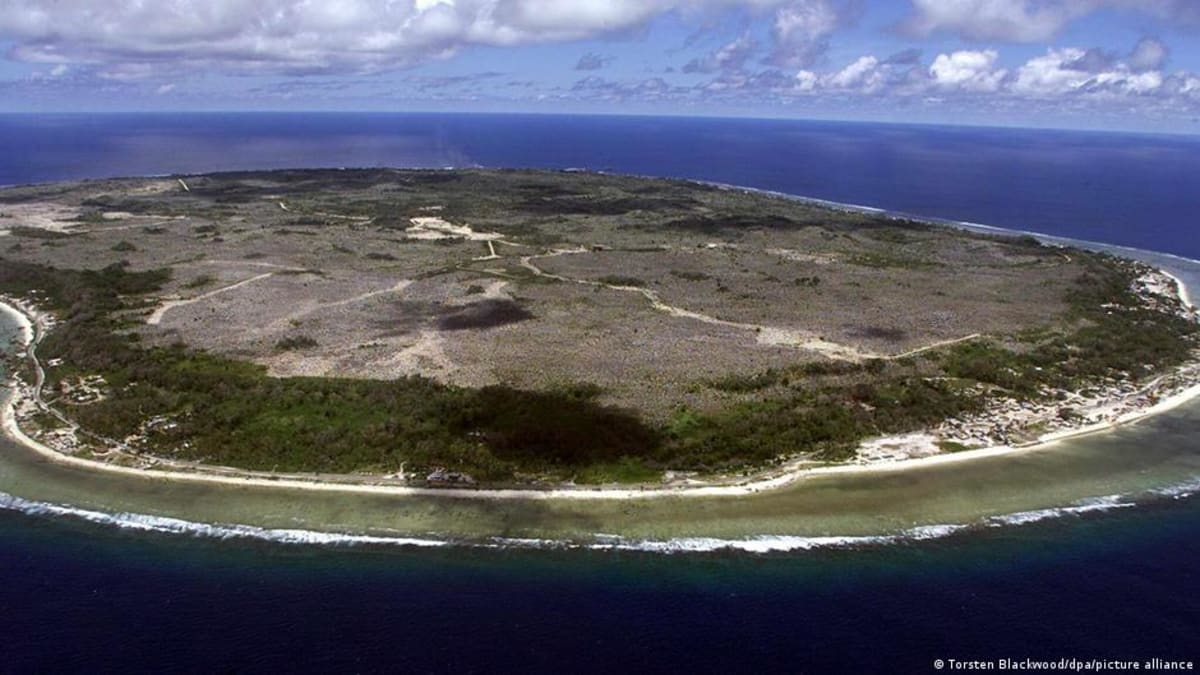
The world's smallest island republic measures just 7.7 square miles, about half the size of Manhattan. From the 1880s through 1968, Germany, Australia, the United Kingdom, and New Zealand all claimed control over the island, mining its phosphate deposits for fertilizer until the land was stripped bare.
Most Nauruans still speak their native tongue, Dorerin Naoero, alongside English. The language survived more than 80 years of foreign rule, passed down through families who never forgot what their home was truly called.
Why This Inspires
This isn't just about changing a name on a map. It's about a community choosing to honor the words their grandparents spoke, the sounds that shaped their identity long before ships arrived from distant shores.
Across the Pacific and around the world, Indigenous communities are reclaiming names that colonizers altered or erased. When New Zealand officially adopted "Aotearoa" as an alternative name, when cities restore original place names, these changes tell future generations that their heritage matters more than colonial convenience.
For Naoero's 10,000 residents, the referendum represents something powerful: the chance to introduce themselves to the world as they've always introduced themselves to each other. The name their ancestors used. The name that belongs to them.
A nation smaller than most cities is showing the world that size doesn't determine strength, and that it's never too late to reclaim what was always yours.
Based on reporting by DW News
This story was written by BrightWire based on verified news reports.
Spread the positivity!
Share this good news with someone who needs it