Naver's Delivery Robots Head to Tokyo's Busiest District
South Korean tech giant Naver is bringing its autonomous delivery robots to one of Tokyo's largest buildings, marking the first international deployment of technology perfected at its futuristic headquarters. The move could change how millions navigate crowded urban complexes worldwide.
Imagine ordering lunch at your Tokyo office and having it delivered by a robot that navigates crowded hallways, calls elevators, and finds you without human help. That future arrives soon at Tokyo Midtown Yaesu, a 45-story complex connected to Tokyo Station.
Naver, the South Korean tech company, announced it's deploying its autonomous delivery robots and smart building platform at one of Tokyo's busiest locations. The complex houses offices, shops, a hotel, a bus terminal, and even an elementary school.
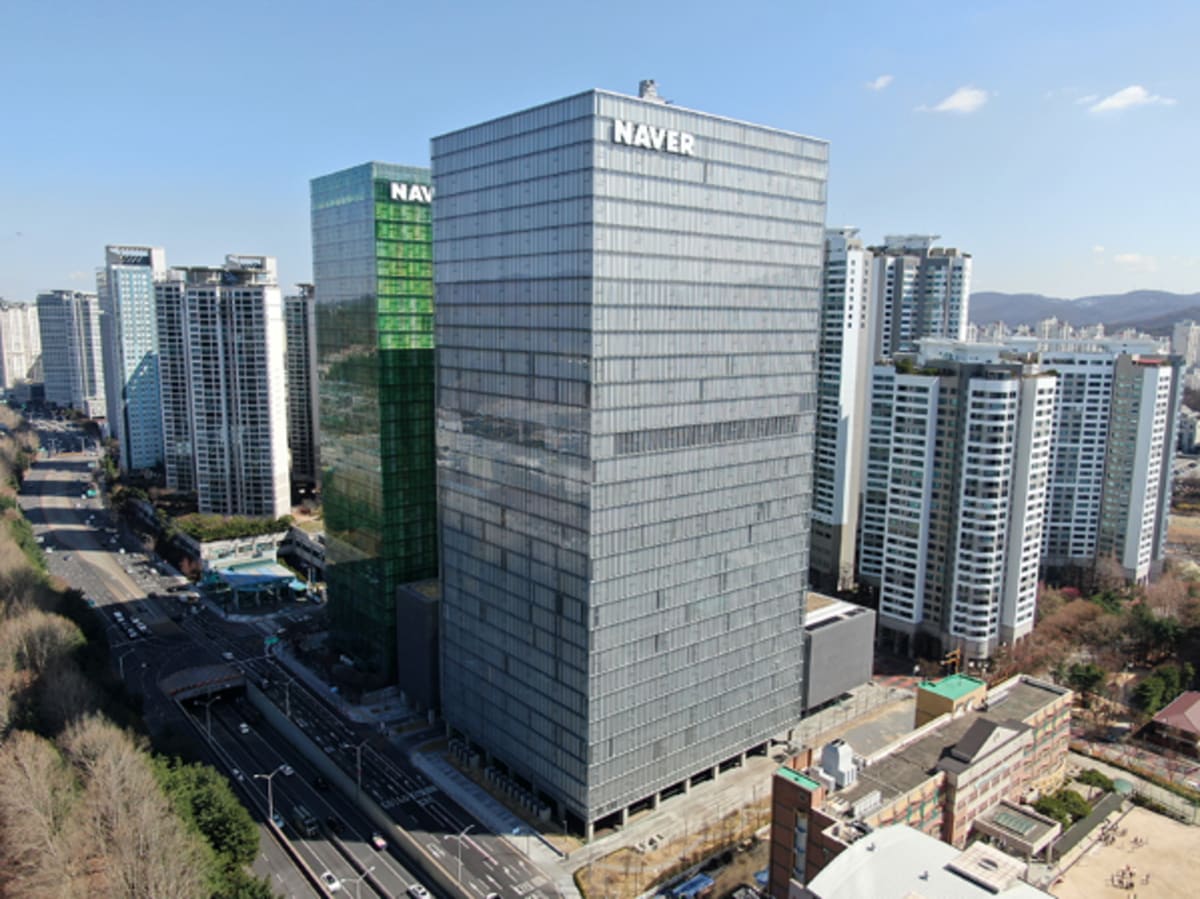
The company spent four years perfecting this technology at its headquarters called 1784, where robots named Rookie have been delivering food and packages to office workers daily. Now that real-world testing is paying off internationally.
Here's what makes this special: the system works in regular buildings. Most smart building tech requires special robot elevators or expensive custom infrastructure. Naver's platform connects robots to existing elevators, doors, and security gates through cloud software, making it affordable for typical office towers.
The robots use a system called Arc Brain that coordinates multiple robots at once, preventing traffic jams in hallways and ensuring deliveries happen efficiently. Arc Eye, a vision-based positioning system, helps robots navigate indoor spaces where GPS doesn't work.
Naver is partnering with two major Japanese companies for the rollout. Mitsui Fudosan will handle the delivery service and building integration, while NTT East will create the digital twin environment and maintain the robots.
The Tokyo deployment starts with food delivery but won't stop there. The three companies plan to expand into augmented reality navigation that helps people find their way through massive buildings and facility management systems that predict maintenance needs before problems occur.
The Ripple Effect
This launch could reshape urban life far beyond Tokyo. Office workers waste countless minutes daily navigating sprawling complexes or waiting for deliveries. Autonomous systems could free up that time while creating more efficient buildings.
The technology's flexibility matters most for global expansion. Because it works with standard building infrastructure, thousands of existing office towers worldwide could adopt it without expensive renovations. Naver already plans additional deployments across South Korea and other international markets.
Four years of operational data from 1784 taught the robots to handle real situations: crowded lobbies during lunch rushes, unexpected obstacles, and the countless small challenges that arise in busy buildings. That experience now benefits Tokyo workers and could soon help millions more.
Naver named its headquarters 1784 after the year the Industrial Revolution began, expressing its ambition to spark similar transformation through robotics and AI. With this Tokyo launch, that vision starts spreading globally.
More Images
Based on reporting by Regional: south korea technology (KR)
This story was written by BrightWire based on verified news reports.
Spread the positivity!
Share this good news with someone who needs it