Navy's Robot Refueling Drone Takes First Operational Flight
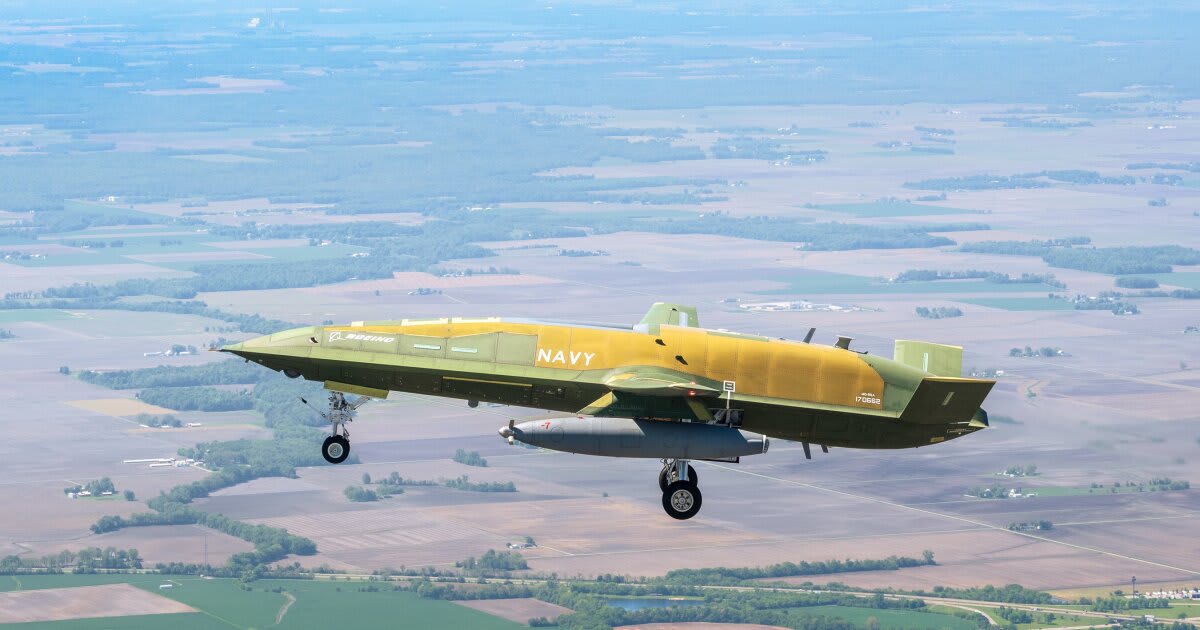
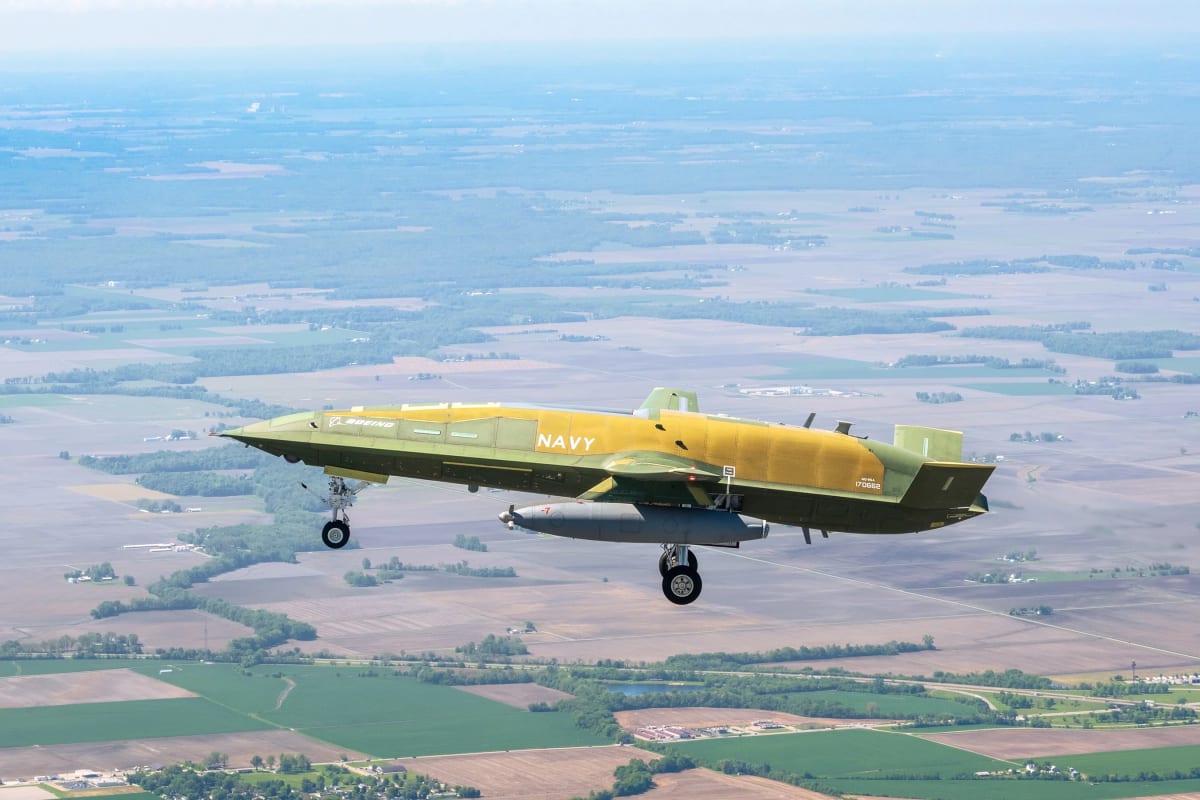
The US Navy just flew its first operational autonomous refueling aircraft, a breakthrough that will extend the reach of carrier missions while giving fighter jets more time for combat. The MQ-25A Stingray completed a successful two-hour test flight over Illinois on April 25, 2026.
📺 Watch the full story above
A sleek, unmanned aircraft just took off from an Illinois airport and changed the future of naval aviation forever.
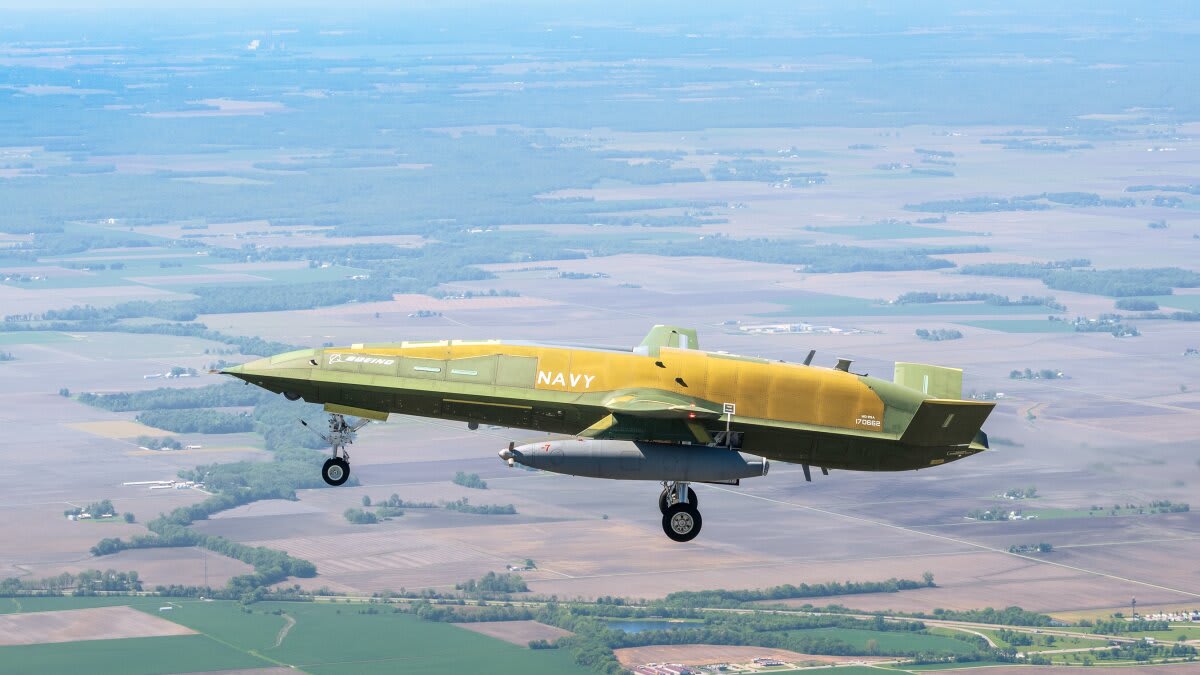
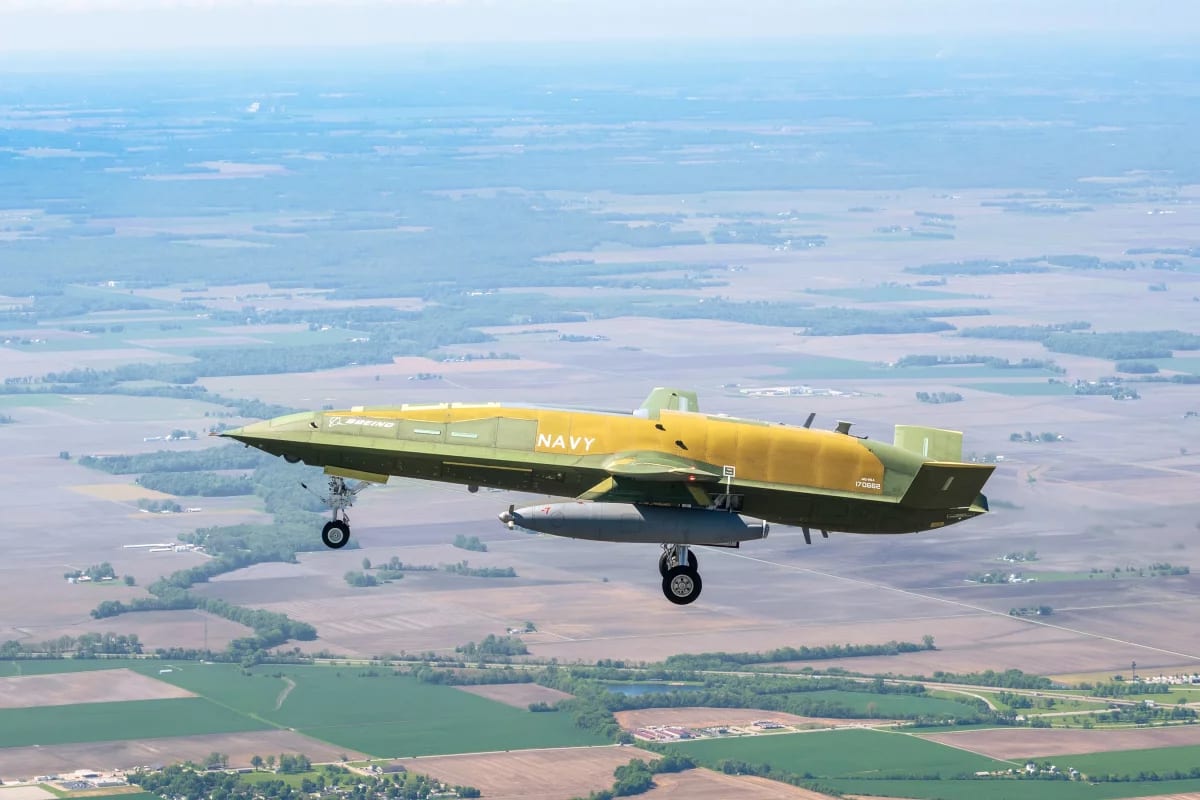
The US Navy's first operational MQ-25A Stingray completed its inaugural two-hour flight on April 25, proving that autonomous aircraft can handle one of the most crucial jobs on an aircraft carrier. The robotic plane will soon refuel fighter jets in midair, freeing up combat aircraft for actual missions instead of gas station duty.
For years, the Navy has relied on F/A-18 Super Hornet fighter jets to refuel other aircraft while airborne. This "buddy refueling" system works, but it means pulling expensive combat jets away from their primary mission and wearing them down faster with extra flight hours.
The Stingray changes everything. Boeing and the Navy designed these 51-foot aircraft to operate from carrier decks alongside piloted planes, carrying fuel to extend mission range by 500 nautical miles. The plane features folding wings for tight carrier storage, reinforced landing gear for catapult launches, and special coating to withstand constant salt spray exposure.
During the test flight over southern Illinois, Boeing and Navy pilots controlled the aircraft remotely while chase planes monitored its performance. The team tested autonomous ground operations, flight controls, the Rolls-Royce engine, and command systems. Everything performed exactly as planned.
The Navy plans to deploy 76 of these aircraft across America's carrier fleet. Each Stingray has the same footprint as a Super Hornet but serves a completely different purpose, carrying fuel instead of weapons and handling the unglamorous but vital work that keeps combat missions flying longer and farther.
The Ripple Effect
This technology does more than just move fuel around. By taking over refueling duties, the Stingray fleet will significantly extend the service life of the Navy's fighter jets, saving billions in maintenance and replacement costs. Combat pilots can focus entirely on their missions instead of splitting time as flying gas stations.
The 500-mile operational radius also means carrier strike groups can project power much farther from the ship, keeping sailors safer while extending American reach. Future carrier air wings will accomplish more with the same number of aircraft, a rare win for both capability and efficiency.
Rear Admiral Tony Rossi called the flight "a critical step toward the future of the carrier air wing" that will "significantly extend the reach and lethality of our fleet." The technology proves that autonomous systems can handle complex, safety-critical missions in one of the most demanding environments on Earth.
The first operational Stingray will continue testing throughout 2026, paving the way for a new generation of carrier aviation where robots and pilots work side by side to accomplish what neither could do alone.
More Images

Based on reporting by New Atlas
This story was written by BrightWire based on verified news reports.
Spread the positivity!
Share this good news with someone who needs it