NC Charter School Wins Grant for Electric Bus
A small North Carolina arts school turned a "moonshot" idea into reality, securing grants to replace their 20-year-old diesel bus with an electric one. Their success shows how creative thinking and community partnerships can help any school go green.
When the Arts Based School in Winston-Salem gathered for a board retreat in 2022, they faced a familiar challenge: an aging diesel bus that needed replacing. What happened next proves that even small schools can make big environmental leaps.
Former board member Jay Kumar took on what seemed like an impossible task. He connected with Will Eley from the Piedmont Environmental Alliance, who had actually helped lobby Congress for the very funding program they needed.
The timing couldn't have been better. The EPA's Clean School Bus Program, created through the Inflation Reduction Act, offered grants specifically for electric school buses.
Robin Hollis, the school's Charter Director, remembers feeling skeptical at first. "At the time, it honestly felt like a bit of a 'moon shot,'" she said.
But Kumar did his homework. He pulled together Duke Energy, the NC Clean Energy Technology Center, and local bus dealers to craft a winning application.
The grant transformed the math entirely. Without it, an electric bus would have stretched the small charter school's budget too thin.
Each stakeholder saw different benefits. The board appreciated the smart financial investment, while teachers focused on eliminating harmful tailpipe emissions around students.
For parents, it meant investing in their kids' futures. For the students themselves, the shiny new electric bus became a rolling lesson in sustainability.
Eley found personal joy in the project too. He had jokingly set a goal during a 2022 presentation that his daughter would only ever ride electric school buses.
The following year, she started kindergarten at the Arts Based School. His wish came true.
The Ripple Effect
The Arts Based School's success extends far beyond their own parking lot. Other North Carolina charter schools now have a roadmap to follow, complete with contacts and proven strategies.
Hollis generously shares her experience with school leaders across the state. Her biggest tip? Assign one dedicated staff person to manage the entire process from application to delivery.
The school also discovered how to "braid" or stack multiple funding sources. Tax credits, utility rebates, and EPA grants combined to cover most costs.
"Schools don't necessarily have to wait for a perfect solution," Hollis explained. "Sometimes they can identify an opportunity, take a calculated risk, and lead by example."
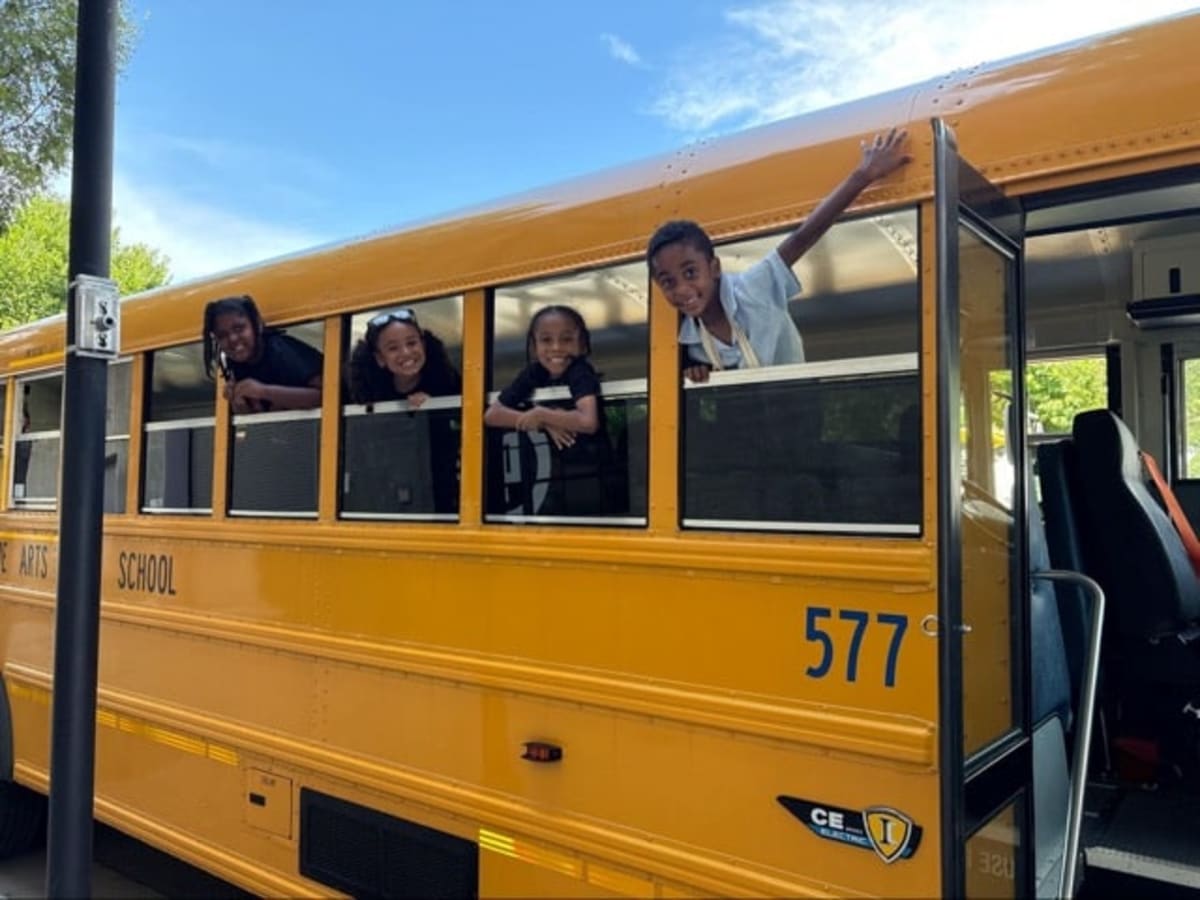
The electric bus debuted at Winston-Salem's Juneteenth Celebration, packed with excited students. It now runs daily routes, operating more quietly and cleanly than its predecessor.
Based on reporting by Google News - Clean Energy
This story was written by BrightWire based on verified news reports.
Spread the positivity!
Share this good news with someone who needs it