NC Scientists Crack Case of Blueberry-Killing Beetles
After years of mysterious blueberry bush deaths across North Carolina, researchers finally identified the underground culprit and created tools to stop it. The breakthrough means better protection for 54 million pounds of blueberries grown annually in the state.
Blueberry farmers in North Carolina have been watching their plants mysteriously die for over a decade, but they finally have answers and a path forward.
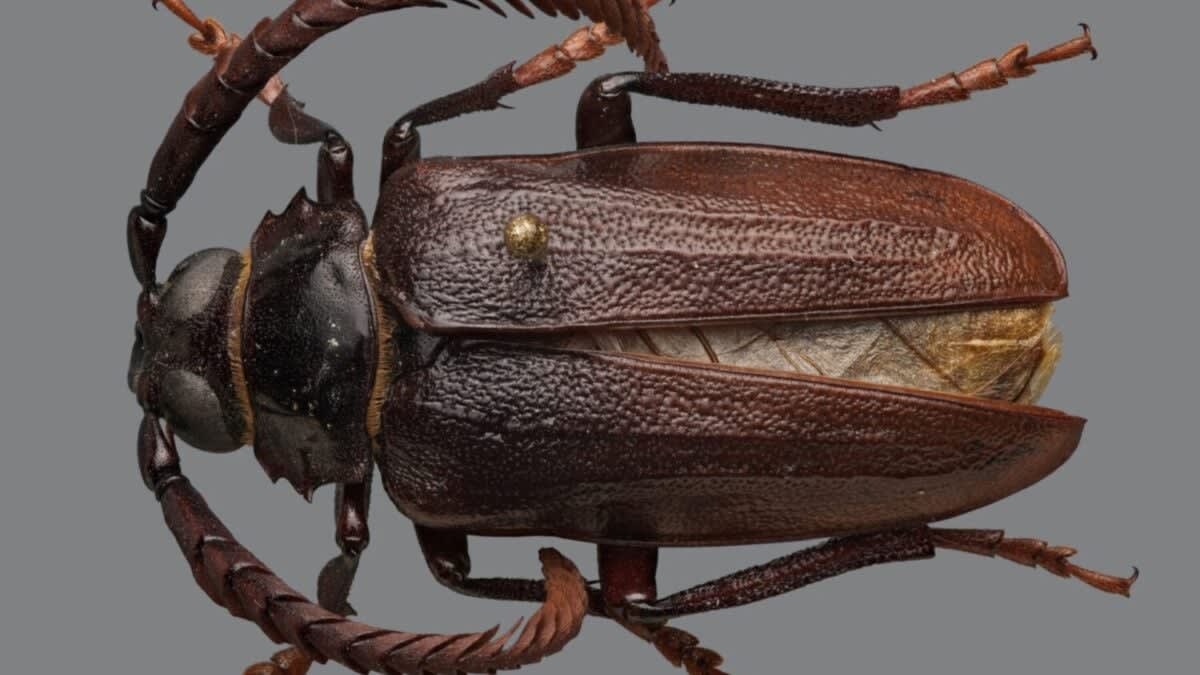
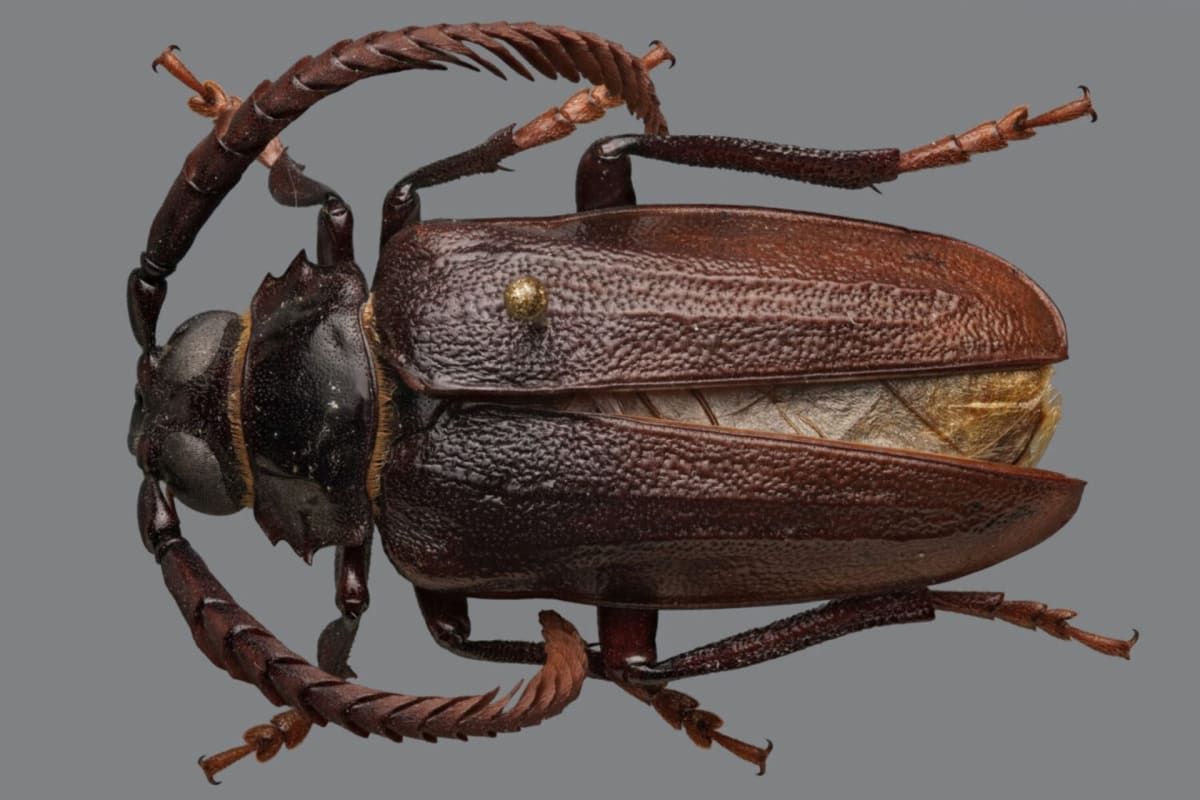
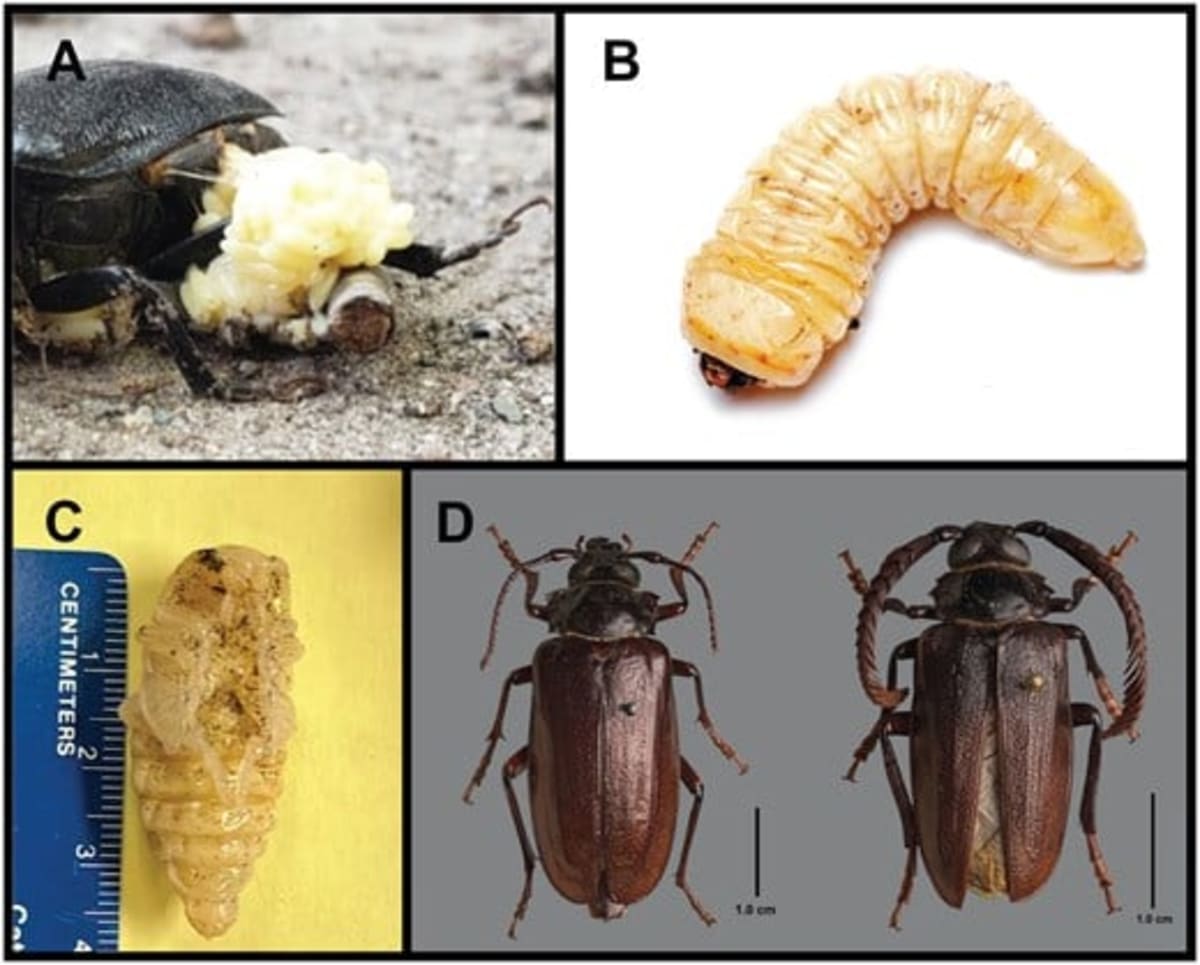
Scientists at North Carolina State University cracked the agricultural mystery after years of investigation. They identified Prionus imbricornis, a longhorn beetle species, as the pest destroying blueberry roots across the state.
The challenge was that these beetles are masters of disguise. Adult beetles don't feed at all, but mother beetles lay hundreds of eggs in the soil near blueberry roots. Once the larvae hatch, they burrow deep underground where they feast on roots for years, slowly killing the plants from beneath.
Graduate student Kenneth Geisert and his team needed to catch the culprits in the act. They set traps laced with pheromones at six farms across multiple counties, capturing over 5,000 beetles. Nearly 90% turned out to be P. imbricornis.
To confirm their suspicions, the researchers collected larvae from two farms and ran genetic tests. The DNA matched the adult beetles with 98% to 99% accuracy, proving they'd found their pest.
This discovery matters because different beetle species attack plants differently and require different treatments. Knowing exactly which pest you're fighting is the first step to winning the battle.
North Carolina produces about 54 million pounds of blueberries every year, making it one of the country's largest blueberry hubs. These tiny beetles threatened to take a serious bite out of that harvest.
The Bright Side
Now that scientists know exactly what they're dealing with, they're already working on solutions. The team is testing which insecticides work best against P. imbricornis and when in the beetle's life cycle to apply them for maximum effectiveness.
The research also created molecular tools that other states can use to identify beetle infestations quickly. Farmers across the country dealing with similar problems now have a roadmap to follow.
Geisert encourages researchers in other states to test their own beetle problems using these new identification methods. Different species might be attacking blueberries in different regions, and each needs its own targeted solution.
The years-long investigation shows how patient scientific detective work protects our food supply and the farmers who grow it.
More Images

Based on reporting by Google News - Science
This story was written by BrightWire based on verified news reports.
Spread the positivity!
Share this good news with someone who needs it