Scientists Find Most Earth-Like Planet Just 48 Light Years Away
Astronomers have discovered a planet with liquid water, an atmosphere, and the perfect temperature for life—marking the first time all these conditions have been found together. The breakthrough dramatically increases the odds that life exists beyond Earth.
After 34 years of searching thousands of distant worlds, scientists have finally found a planet that looks remarkably like home.
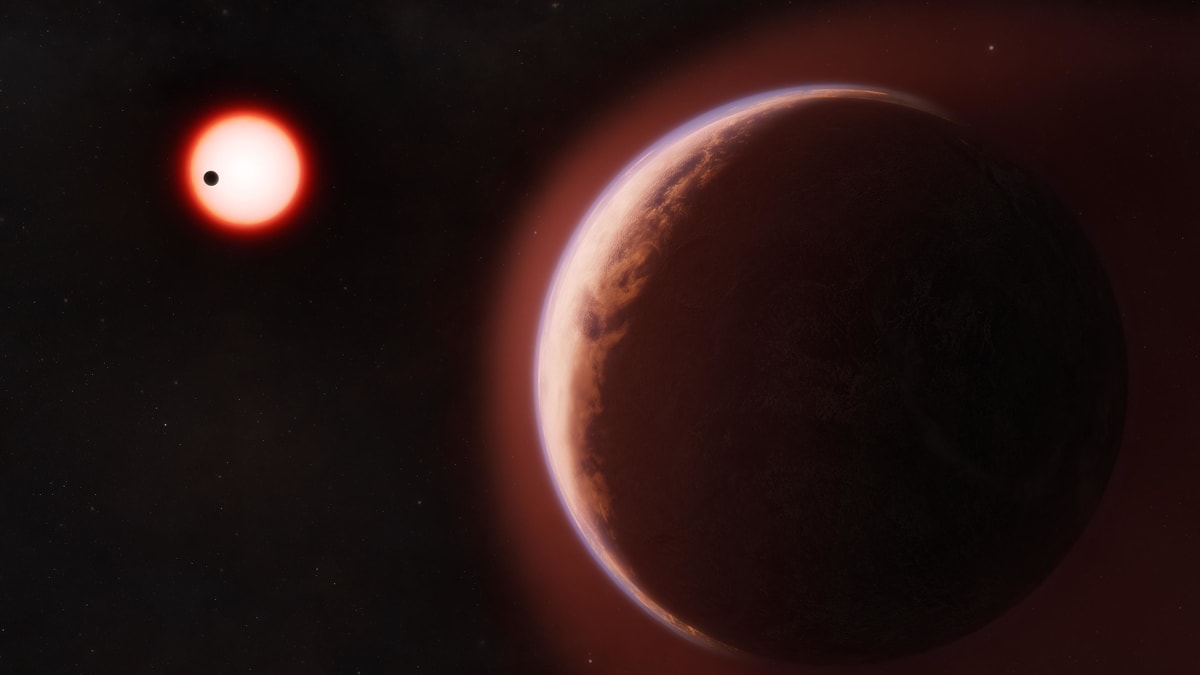
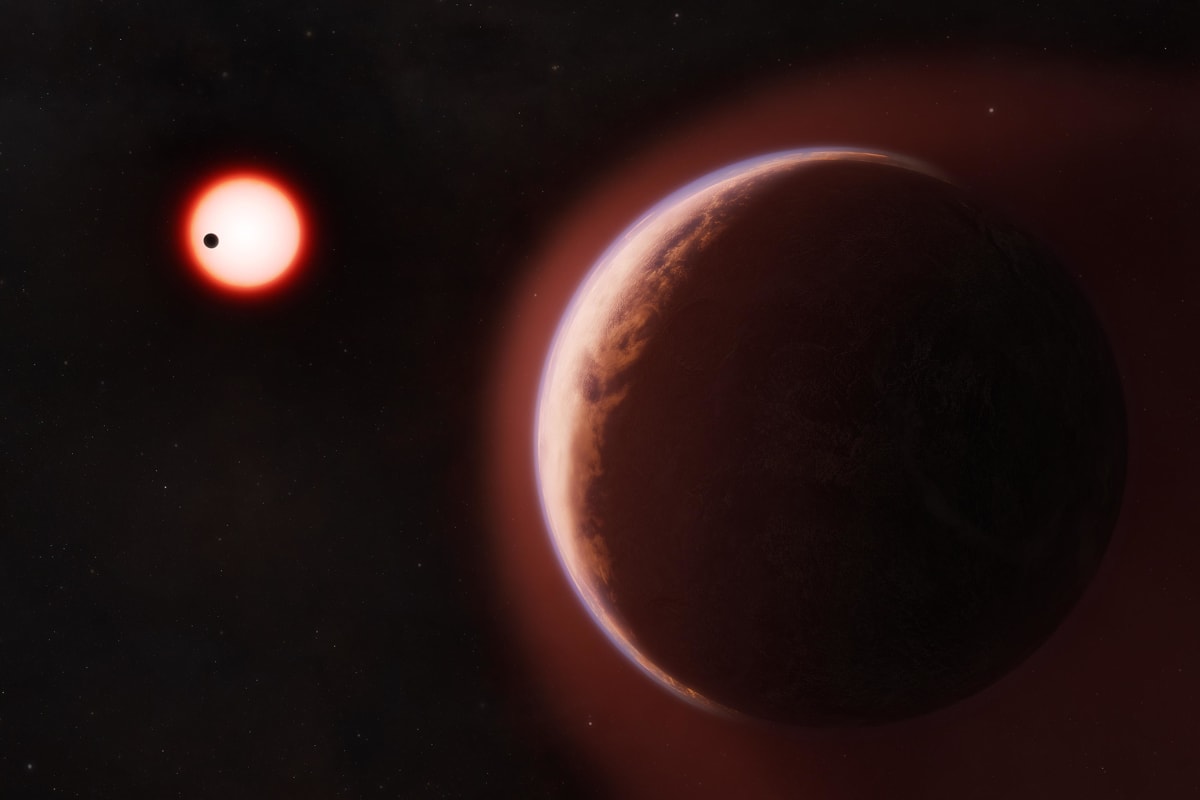
The planet, called LHS 1140b, sits just 48 light years away and checks every box scientists look for when hunting for life. It has liquid water, a protective atmosphere, and orbits its star in the sweet spot where temperatures allow life to thrive.
"That puts it at the forefront for studying astrobiology and habitability and looking for life outside the solar system," says planetary scientist Collin Cherubim of the University of Chicago, who led the groundbreaking study published in Science.
Scientists first spotted the planet in 2017 by watching it pass in front of its star, blocking tiny amounts of light. But the recent breakthrough came when Cherubim's team detected helium leaking from the planet's atmosphere—proof that LHS 1140b has the protective air blanket necessary for life.
The planet is about 1.7 times wider than Earth and circles a red dwarf star every 24.7 days. Because red dwarfs burn cooler than our sun, LHS 1140b snuggles closer to stay warm—just 9 million miles out compared to Earth's 93 million mile distance.
What makes this discovery extra exciting is what lies beneath that helium. Cherubim's models predict the atmosphere contains carbon dioxide, carbon monoxide, molecular oxygen, and lots of water—the basic ingredients needed for life as we know it.
The planet even caught a lucky break with its star. Red dwarfs typically blast out dangerous X-rays and ultraviolet radiation that destroy life, but LHS 1140b's star burns remarkably calm and steady for its type.
The Ripple Effect
This discovery changes everything we thought we knew about finding life in space. For over three decades, astronomers have catalogued more than 6,200 planets orbiting distant stars, but none matched Earth's life-friendly conditions until now.
If one planet like ours exists relatively close by cosmic standards, countless others likely dot the galaxy. The discovery suggests that habitable worlds aren't rare cosmic accidents but potentially common features of our universe.
The finding also gives scientists their best target yet for detecting actual signs of life. Future telescopes will analyze LHS 1140b's atmosphere for biosignatures—chemical fingerprints that only living organisms produce.
Humanity's cosmic Easter egg hunt just found its grand prize, and the search has only begun.
More Images



Based on reporting by Google News - Scientists Discover
This story was written by BrightWire based on verified news reports.
Spread the positivity!
Share this good news with someone who needs it