NC Volunteers Restore Man-Made Lakes One Plant at a Time
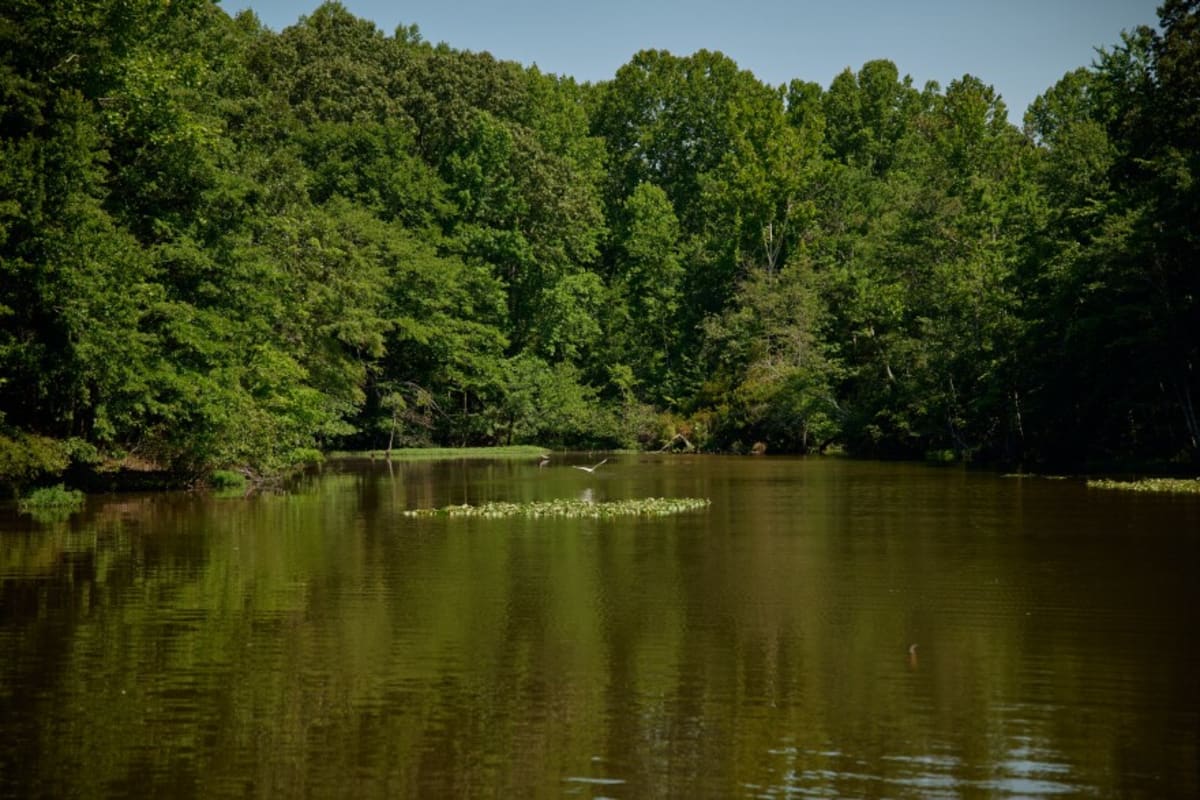
For 15 years, volunteers in North Carolina have been transforming murky, polluted reservoirs into thriving ecosystems by planting aquatic vegetation. What started as bare, lifeless shorelines at Oak Hollow Lake has become a lush habitat that filters pollution and protects drinking water for thousands.
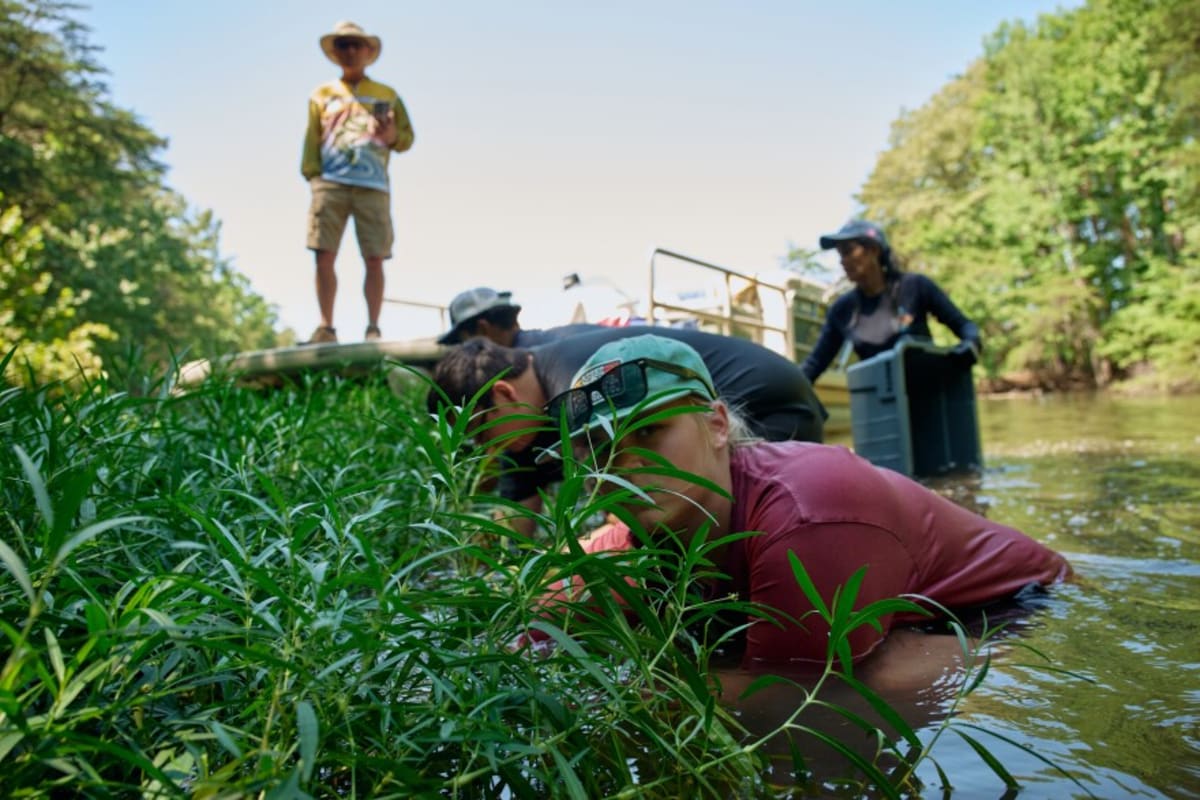
Daniel Morrill stood waist-deep in murky water, carefully planting spatterdock into the soft lakebed as a leech crawled up his leg. The fisheries biologist wasn't fazed—he and his team of volunteers have been doing this for 15 years at Oak Hollow Lake in central North Carolina.
When they started, the reservoir had virtually no plant life along its shores. Man-made lakes like Oak Hollow are created by damming creeks, which drowns the native vegetation that used to grow there. Without shoreline plants, nothing stops sediment and pollutants from washing directly into the water that 100,000 High Point residents drink.
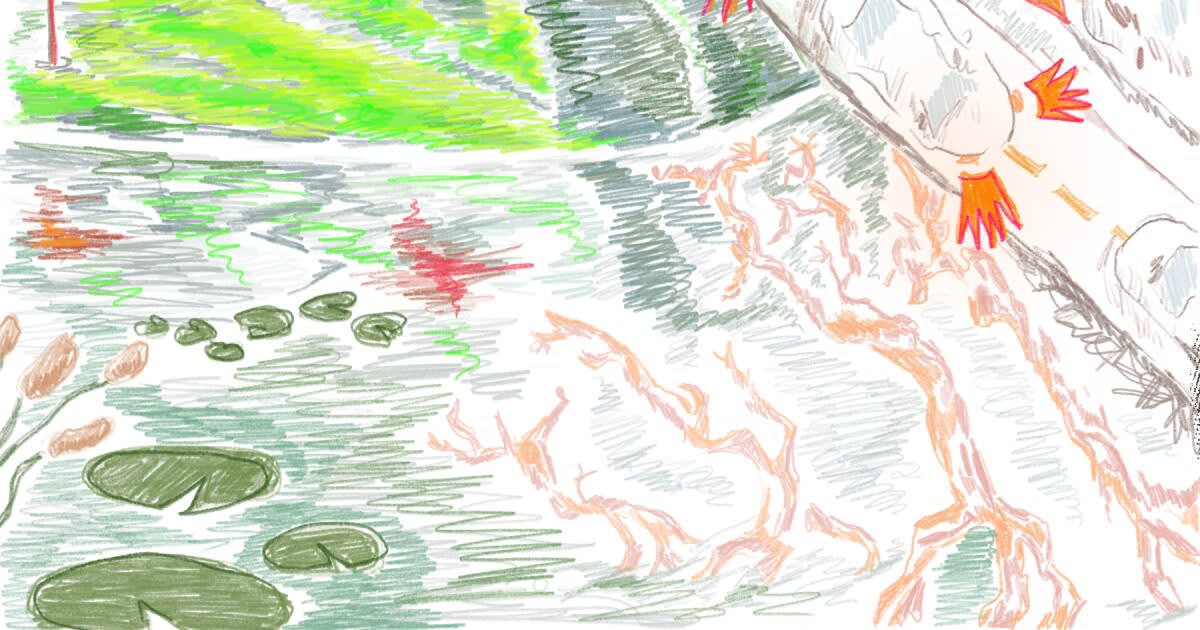
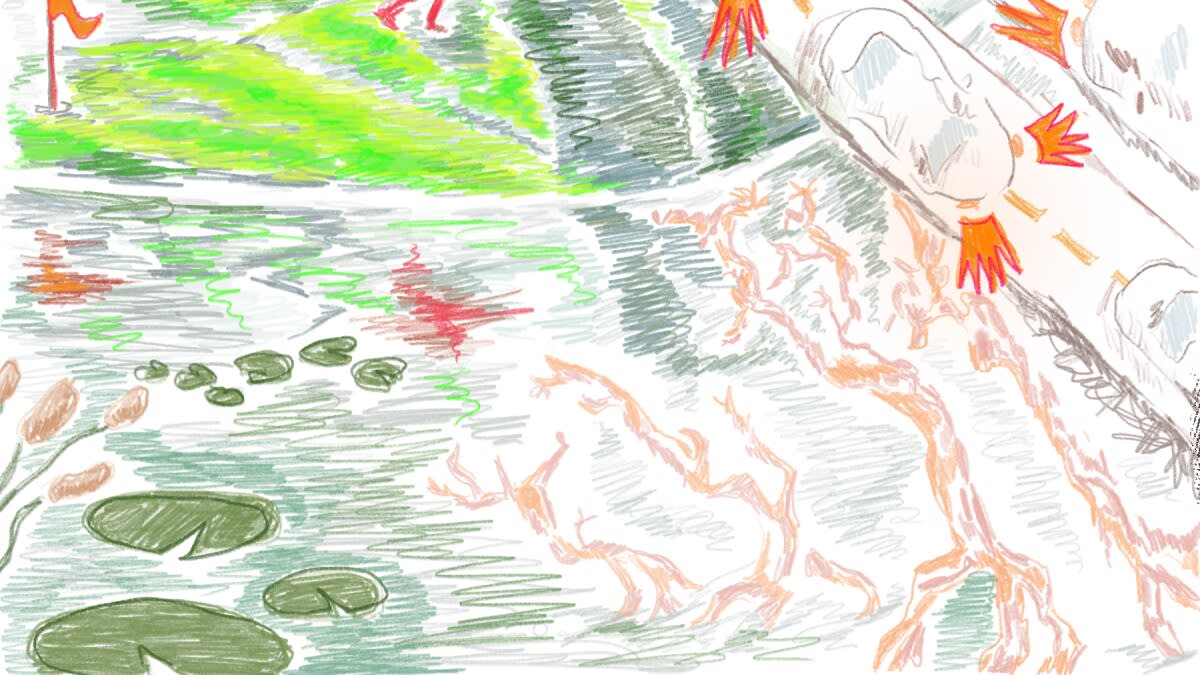
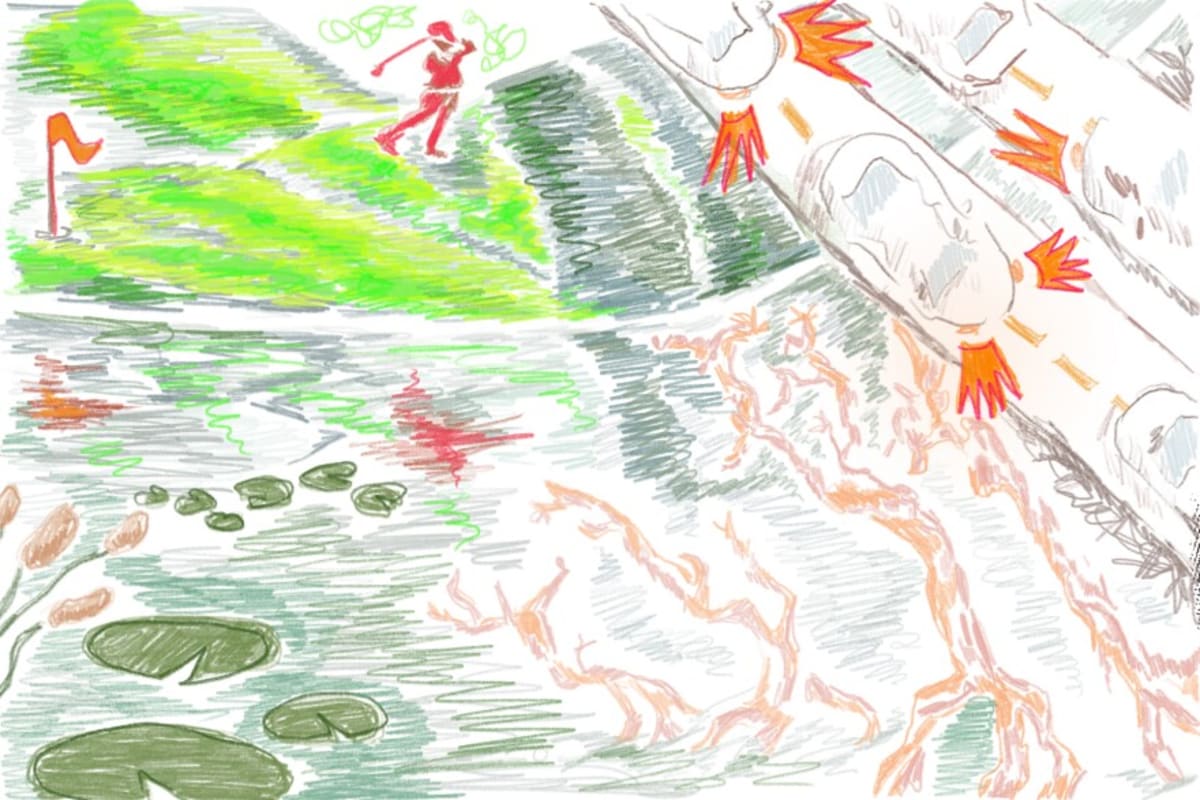
"Sediment catches mud, and then the mud acts like biscuit dough, and pollutants stick to that," explained William Frazier, a volunteer and bass fishing expert with the NC Wildlife Resources Commission. Heavy metals, fertilizers, and pesticides from nearby golf courses and farms were accumulating in the lakebed with nowhere to go.
So Morrill's team got to work. They've planted spatterdock, water willow, and pickerelweed along the water's edge. The plants absorb excess nutrients that would otherwise fuel toxic algal blooms. They catch sediment before it clouds the water. Their roots stabilize the shoreline and prevent erosion.
The transformation has been remarkable. In some spots, pickerelweed grows so thick and healthy that it depletes all the excess nutrients around it within a few years. The team targets the murkiest areas where runoff hits hardest, slowly turning them green and clear.
The work isn't easy. Volunteers wade into chest-deep water, digging into the soft earth to anchor each plant's bulbous roots. If they don't secure it properly, the spatterdock bobs mockingly back to the surface. But they keep coming back, season after season.
The Ripple Effect
The restoration of Oak Hollow Lake is just one piece of a statewide effort. The Wildlife Commission's volunteers have been planting aquatic vegetation in reservoirs across North Carolina, protecting drinking water for communities throughout the state.
The program shows how small, consistent actions create massive change. What was once a muddy, polluted lake now filters its own water naturally. Fish populations have rebounded. Birds nest in the vegetation. The ecosystem is healing itself.
"We're constructing a tree museum," Frazier joked, referencing Joni Mitchell's song about paving paradise. But this time, people are putting paradise back together, one plant at a time.
The Wildlife Commission continues to host plantings throughout the year, welcoming anyone willing to get muddy for a few hours to help restore North Carolina's waters.
More Images
Based on reporting by Google: volunteers help
This story was written by BrightWire based on verified news reports.
Spread the positivity!
Share this good news with someone who needs it