Neanderthals Collected Animal Skulls for 90,000 Years in Spain
Scientists discovered that Neanderthals spent generations carefully arranging horned animal skulls in a Spanish cave, revealing our ancient relatives had rich cultural traditions that went far beyond survival. This finding rewrites what we thought we knew about Neanderthal society. ##
Deep in a Spanish cave, Neanderthals were creating something remarkable over 43,000 years ago: a collection of massive animal skulls arranged with clear intention and care.
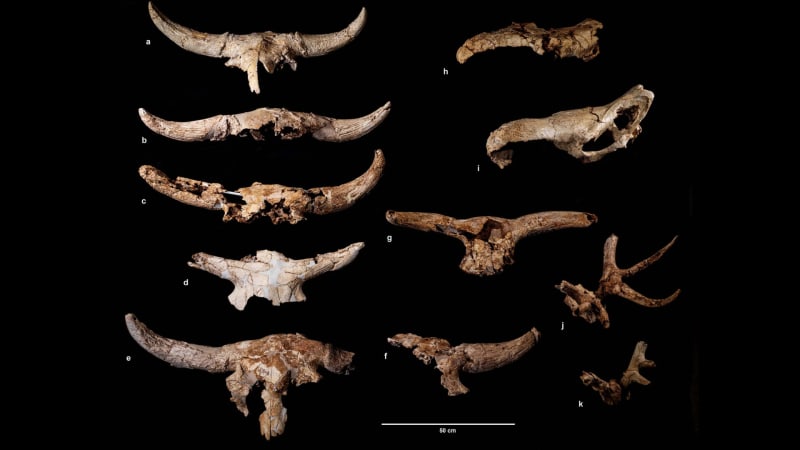
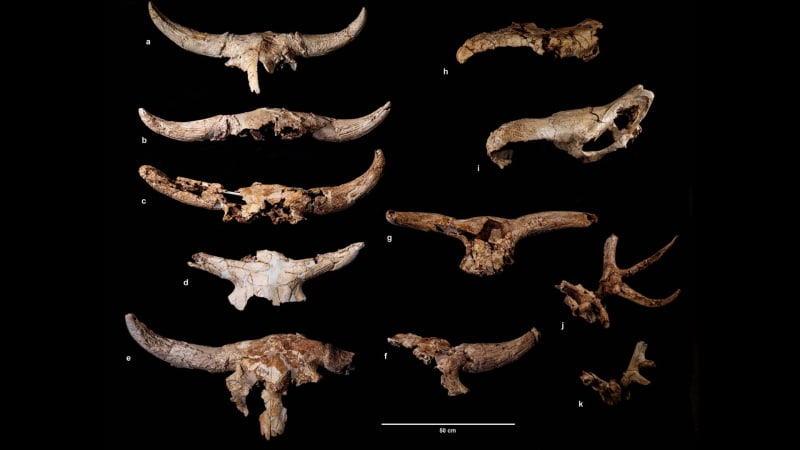
Researchers studying Des-Cubierta cave in central Spain found 35 large mammal skulls, each from horned or antlered species like steppe bison, aurochs, rhinos, and red deer. The jawbones were missing, but the skulls had been deliberately positioned in specific areas of the cave.
What makes this discovery truly special is the timeframe. The practice appears to have continued for tens of thousands of years, between 135,000 and 43,000 years ago, suggesting Neanderthals passed this tradition down through countless generations.
"At first glance, the deposit appears chaotic," said lead researcher Lucía Villaescusa Fernández from the University of Alcalá. But careful mapping revealed something extraordinary: the Neanderthals had purposefully placed these skulls in the same spots over and over again.
The team had to solve an archaeological puzzle first. Rockfalls had disturbed the cave over thousands of years, mixing natural debris with the Neanderthal artifacts. By comparing where rocks fell versus where bones and stone tools were placed, researchers confirmed the skull arrangements were definitely intentional.
Over 1,400 stone tools were found alongside the skulls, all in the distinctive Mousterian style typical of Neanderthals. The cave wasn't used as a living space, making the skull collection even more intriguing.
Why This Inspires
This discovery transforms our understanding of Neanderthal life. These weren't just survivors focused solely on finding food and shelter. They had cultural practices, shared traditions, and meaningful behaviors that connected generations across vast stretches of time.
The Neanderthals selected specific types of skulls, treated them carefully, and returned to the same cave repeatedly to continue a practice that clearly held significance for their communities. This level of cultural transmission shows sophisticated thinking and social bonds.
Archaeologist Ludovic Slimak, who wasn't involved in the study, praised the research for taking a grounded approach. "Rather than asking whether Neanderthals were 'symbolic like us,' we should ask what kinds of meaningful behaviors they developed on their own terms," he said.
The findings suggest Neanderthal worlds were richer and more complex than we previously imagined. They developed their own forms of meaning and cultural expression, structured differently from modern humans but no less real.
This discovery reminds us that the capacity for culture, tradition, and shared meaning runs deep in our family tree, connecting us to relatives who lived over 40,000 years ago.
##
More Images


Based on reporting by Live Science
This story was written by BrightWire based on verified news reports.
Spread the positivity!
Share this good news with someone who needs it