%2Fhttps%3A%2F%2Ftf-cmsv2-smithsonianmag-media.s3.amazonaws.com%2Ffiler_public%2Fba%2F19%2Fba198be1-54cf-4acb-97bb-f514e6ff8653%2Fjournalpone0343618g001.png)
Neanderthals May Have Used Tree Tar to Heal Wounds
New research reveals that birch bark tar, crafted by Neanderthals 190,000 years ago, has real antibiotic properties. Scientists recreated ancient methods and found the sticky substance fights common bacteria, suggesting our ancestors may have been the world's first pharmacists.
Scientists just discovered that Neanderthals might have been treating infections with a natural antibiotic made from tree bark nearly 200,000 years ago. The finding adds to growing evidence that our ancient cousins were far more sophisticated than we once believed.
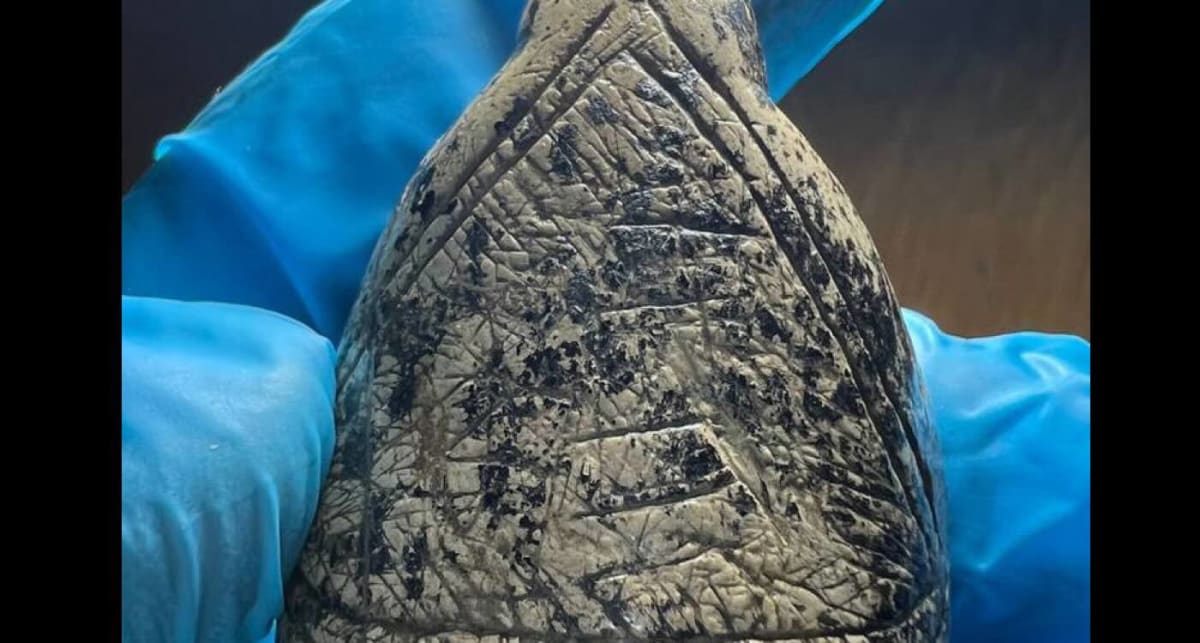
Researchers in Germany gathered bark from birch trees and recreated three different methods Neanderthals might have used to extract tar. The process was incredibly messy, with scientists struggling to get the sticky substance off their hands after hours by the fire.
One method involved heating bark in a metal tin until tar dripped through holes into a container below. Another required burning bark over a buried container covered in clay. The third method condensed tar on the underside of a heated stone.
Once they had their samples, researchers tested each batch against two common bacteria. The results were promising for Staphylococcus aureus, the bug responsible for staph infections. Silver birch tar made using the raised structure method worked best, while other samples showed mild to moderate effectiveness.
This discovery fits perfectly with other evidence of Neanderthal medicine. Previous studies found that Neanderthals ate yarrow and chamomile, plants with little nutritional value but known healing properties. One individual even appears to have treated a dental abscess with poplar bark and fungus.
Why This Inspires
This research does more than reshape our understanding of Neanderthals. It reminds us that solutions to modern problems might exist in ancient wisdom. As antibiotic-resistant bacteria become increasingly dangerous, traditional remedies like birch tar could offer new treatment options.
The study also highlights how hands-on experimentation can unlock secrets buried in archaeological sites. By actually making the tar themselves, researchers experienced the same sensory challenges Neanderthals faced, from gathering bark to scraping off the finished product.
Not everyone is convinced Neanderthals used birch tar specifically as medicine, since making it requires significant time and effort. But the fact remains that this 190,000-year-old material fights modern bacteria in laboratory tests.
Whether Neanderthals understood the science or simply noticed wounds healing faster, they may have stumbled onto something that could help us today.
More Images
%2Fhttps%3A%2F%2Ftf-cmsv2-smithsonianmag-media.s3.amazonaws.com%2Faccounts%2Fheadshot%2FSarahKuta.png)
Based on reporting by Smithsonian
This story was written by BrightWire based on verified news reports.
Spread the positivity!
Share this good news with someone who needs it