Neanderthals Used Stone Drills 60,000 Years Ago for Dentistry
Scientists discovered a 60,000-year-old tooth from Siberia showing evidence that Neanderthals performed dental surgery using stone tools as drills. This rewrites what we thought we knew about ancient medical care and human ingenuity.
Next time you dread the dentist's chair, remember this: Neanderthals were performing dental procedures with stone drills nearly 60,000 years ago, and they did it without anesthesia.
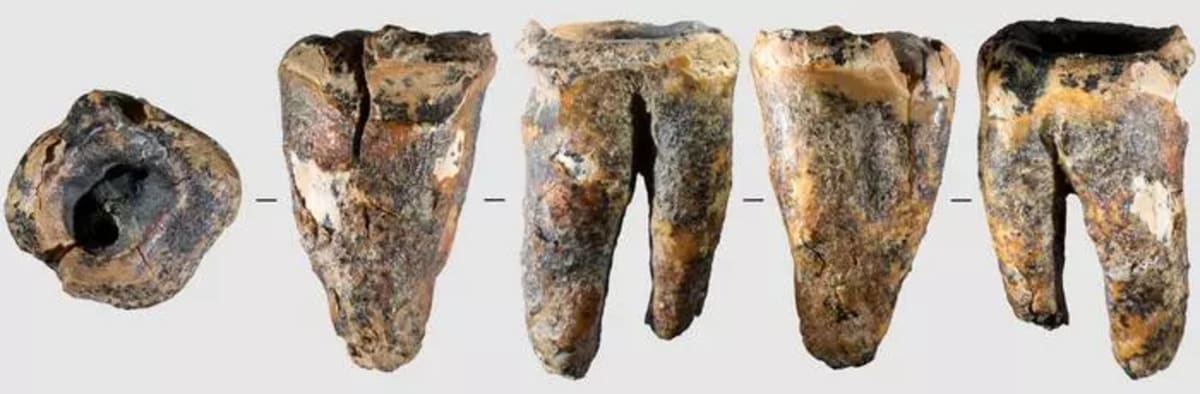
Researchers analyzing a single molar from Chagyrskaya Cave in southern Siberia noticed something extraordinary at its center. Deep grooves and a carefully carved hole extended into the tooth's nerve chamber, showing unmistakable signs of intentional medical intervention.
"We were intrigued by the unusual shape of the concavity on the tooth's chewing surface," says Alisa Zubova of Peter the Great Museum of Anthropology and Ethnography in St. Petersburg. The marks didn't match natural tooth decay or accidental damage.
To confirm their suspicions, scientists conducted experiments drilling into modern teeth using sharp stone tools. The microscopic scratches matched perfectly with those on the ancient Neanderthal tooth.
Yes, the procedure would have been painful. But researchers believe the Neanderthal patient was suffering from a severe infection that could have been deadly if left untreated.
Evidence shows the patient survived the procedure and continued using the tooth afterward. Scientists identified wear patterns that could only develop if the individual kept chewing with that tooth while alive.
This discovery makes the tooth the oldest evidence of successful dental treatment ever found. Previous research showed Neanderthals used medicinal plants to treat pain and infections, but this is the first proof they performed actual surgical procedures.
Why This Inspires
This ancient tooth tells us something profound about who Neanderthals really were. They weren't primitive cave dwellers too simple for complex thought. They were problem solvers who cared for their sick, developed medical knowledge, and took bold action to save lives.
The procedure required remarkable skill and courage from both patient and practitioner. Someone in that community had to develop the technique, practice it, and convince others to trust them with such a delicate operation.
It also reveals compassion that echoes through 60,000 years. A community member was suffering, and someone stepped up to help, using the best tools and knowledge available.
Modern technology allowed scientists to peer into this ancient moment of healing and recognize it for what it was. We're not so different from our distant relatives after all.
This tiny tooth from a Siberian cave reminds us that the drive to heal, innovate, and care for one another has always been part of the human story.
More Images


Based on reporting by New Atlas
This story was written by BrightWire based on verified news reports.
Spread the positivity!
Share this good news with someone who needs it