Nebraska Stroke Patients Getting Brain-Boosting Implant
A new chest implant is helping stroke survivors recover faster by "fertilizing" the brain during therapy sessions. Mark Wilson, the first Nebraska patient to receive it, is working toward his dream of golfing again.
Four years after a stroke left Mark Wilson unable to use his left side, he's becoming the first person in Nebraska to try a game-changing recovery device that could get him back on the golf course.
Wilson woke up one morning thinking he'd just slept wrong. A quick call to a friend who rushed him to the hospital revealed the truth: he was having a stroke. Since that day, he's spent countless hours in intensive rehab, slowly rebuilding strength and movement.
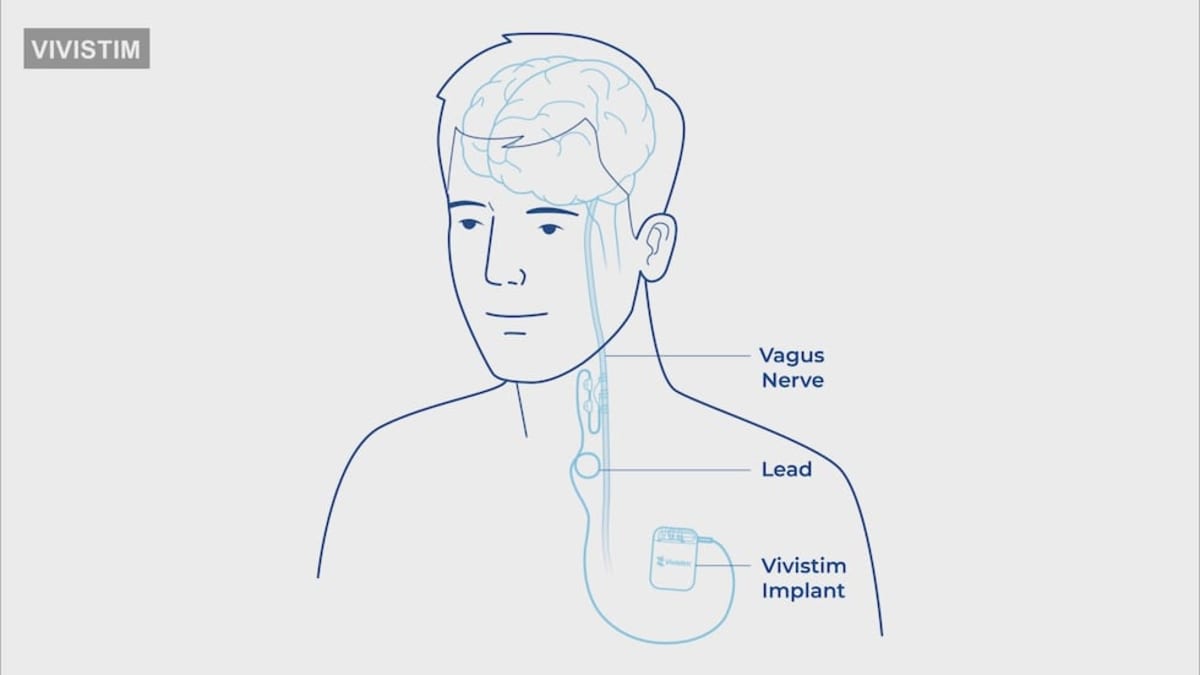
Now he's pairing traditional therapy with something revolutionary. A few weeks ago, surgeons at Nebraska Medicine implanted a device called Vivistim into his chest. The pacemaker-sized implant connects to the vagus nerve in his neck, sending signals directly to his brain during therapy sessions.
The magic happens during movement. When Wilson practices reaching, grasping, or swinging his arm, his therapy team activates the device. It boosts his brain's ability to form new connections right at that moment, supercharging every repetition.
"We call it fertilizer for the brain," says Stacy Reichmuth, an occupational therapist who has worked in stroke rehab for 25 years. The results aren't limited to arm movement either. Patients may see improvements in balance, walking, speaking, and even mood.
Why This Inspires
For Wilson, success means one thing: getting back to the golf course where he used to play four or five times a week. His therapy team is designing exercises specifically to help him hold a club, place a tee, and swing at the ball again.
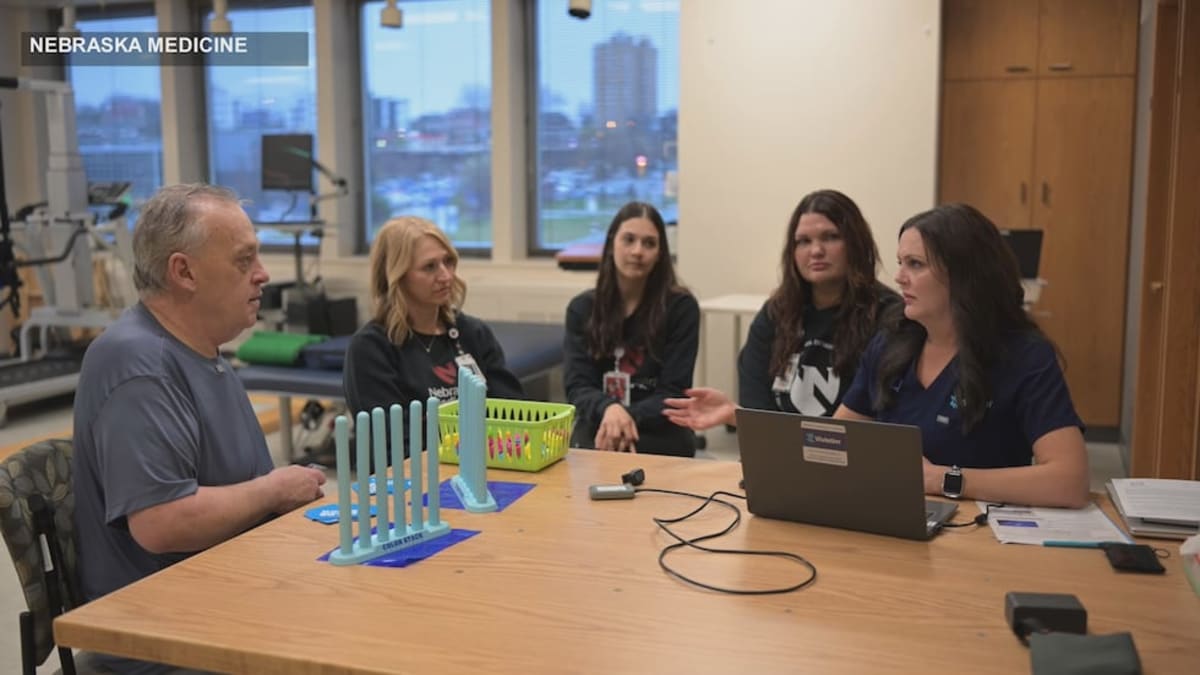
His two daughters are his biggest cheerleaders, with one being an occupational therapist herself. They're keeping him accountable through his eight-week program of 90-minute sessions three times weekly, plus daily home exercises.
Wilson says he couldn't pass up the chance. "I don't think I would like to be sitting here a year or two from now thinking, boy I wish I would have done that."
The technology is already spreading. Since Wilson's surgery, 12 more Nebraska patients have been referred for the implant. Last year alone, 55,000 people in Nebraska had strokes, and many could potentially benefit.
Reichmuth calls it "the most exciting thing that's probably happened to stroke rehab" in her quarter-century career. For patients at least six months post-stroke who meet the qualifications, it's offering something precious: faster progress and renewed hope.
More Images
Based on reporting by Google News - New Treatment
This story was written by BrightWire based on verified news reports.
Spread the positivity!
Share this good news with someone who needs it