Walking Faster After 80 Cuts Dementia Risk in Half
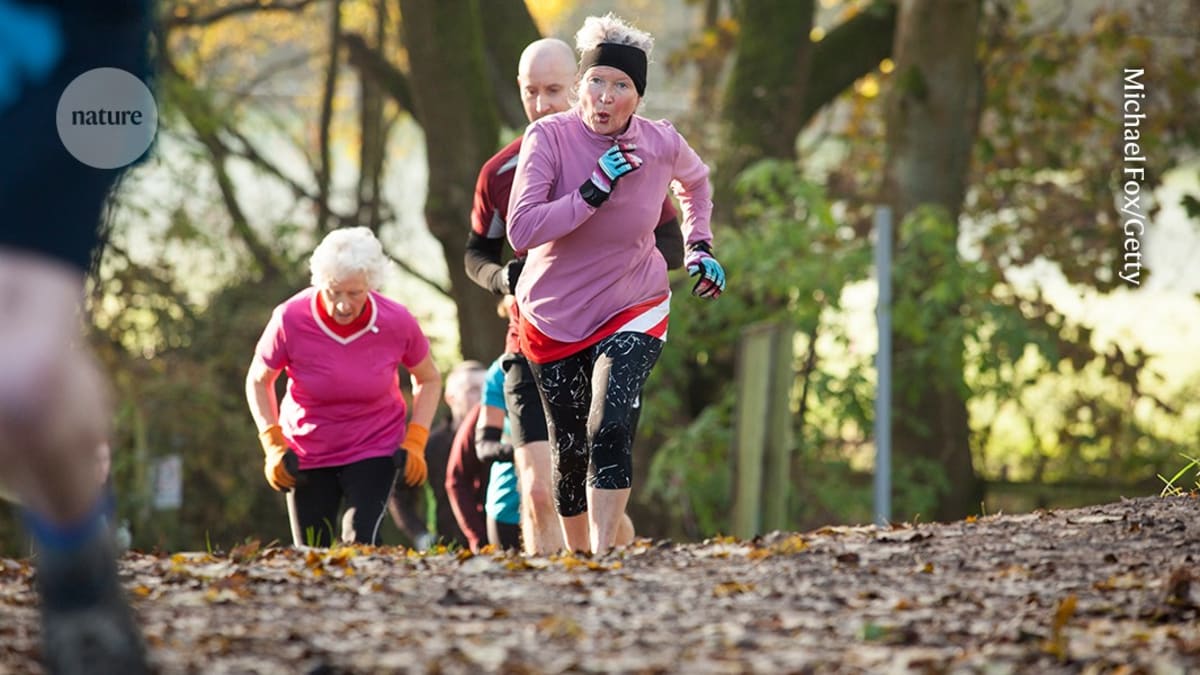
Seniors who walk faster than expected for their age show remarkable brain resilience, even when Alzheimer's markers are present. New research reveals these "super movers" maintain sharp minds well into their 80s and beyond.
Your walking speed might reveal more about your brain health than any memory test ever could.
Scientists studied nearly 5,000 older adults and discovered something remarkable: seniors who walked faster than expected for their age had half the risk of cognitive decline compared to slower walkers. They were also significantly less likely to develop Alzheimer's disease or dementia.
The research, published in the journal Neurology, tracked participants over several years. Some adults in their 80s moved at speeds far exceeding what researchers expected for their age and sex. These "super movers" performed better on thinking and memory tests, and their mental sharpness lasted longer.
Here's where it gets really interesting. When researchers studied the brains of deceased participants, they found something unexpected. The super movers still had the same brain damage markers associated with Alzheimer's disease as slower walkers. But their minds stayed sharp anyway.
"This suggests they may have resilience mechanisms that help preserve brain function despite dementia-related pathology," says Dr. Joe Verghese, study co-author and neurology professor at Stony Brook University. Their brains had somehow built protective systems that kept working despite the damage.
Walking quickly requires your brain to juggle multiple tasks at once. It coordinates balance, motor planning, attention, sensory feedback, and muscle function all while keeping you upright and moving forward. That constant integration may keep neural pathways strong and flexible.
The physical benefits add up too. Regular walking improves cardiovascular health, reduces inflammation throughout the body, and increases blood flow to the brain. It may also boost growth factors that help your brain adapt and change over time.
The Bright Side
You don't need to become a speed walker overnight. Dr. Verghese emphasizes that any consistent movement helps protect your brain. The goal is staying active and gradually picking up your pace when it feels safe and comfortable.
Not a fan of walking? Swimming, biking, or other aerobic activities offer similar brain-protecting benefits. The key is finding something you enjoy enough to do regularly. Your brain doesn't care which activity you choose, as long as you keep moving.
The most encouraging part: it's never too late to start building that brain resilience that could protect your thinking for years to come.
More Images


Based on reporting by Womens Health
This story was written by BrightWire based on verified news reports.
Spread the positivity!
Share this good news with someone who needs it