NEC's CropScope Cuts Farm Carbon Emissions by 27%
A new smart agriculture tool just proved it can slash carbon emissions from farming by more than a quarter. European researchers verified that NEC's CropScope system helps farmers reduce their environmental footprint while growing more food.
Imagine growing the same amount of food while cutting your carbon pollution by 27%. That's exactly what Japanese tech company NEC just proved is possible with smart farming technology.
The European Green Digital Coalition recently verified that NEC's CropScope solution delivers real, measurable carbon reductions on working farms. The system uses digital tools to help farmers optimize their tractor operations, from tilling soil to harvesting crops.
Here's how it works in practice. CropScope analyzes farming conditions and helps growers make smarter decisions about when and how to use heavy machinery. By reducing unnecessary tractor passes and optimizing routes, farmers burn less diesel fuel for the same results.
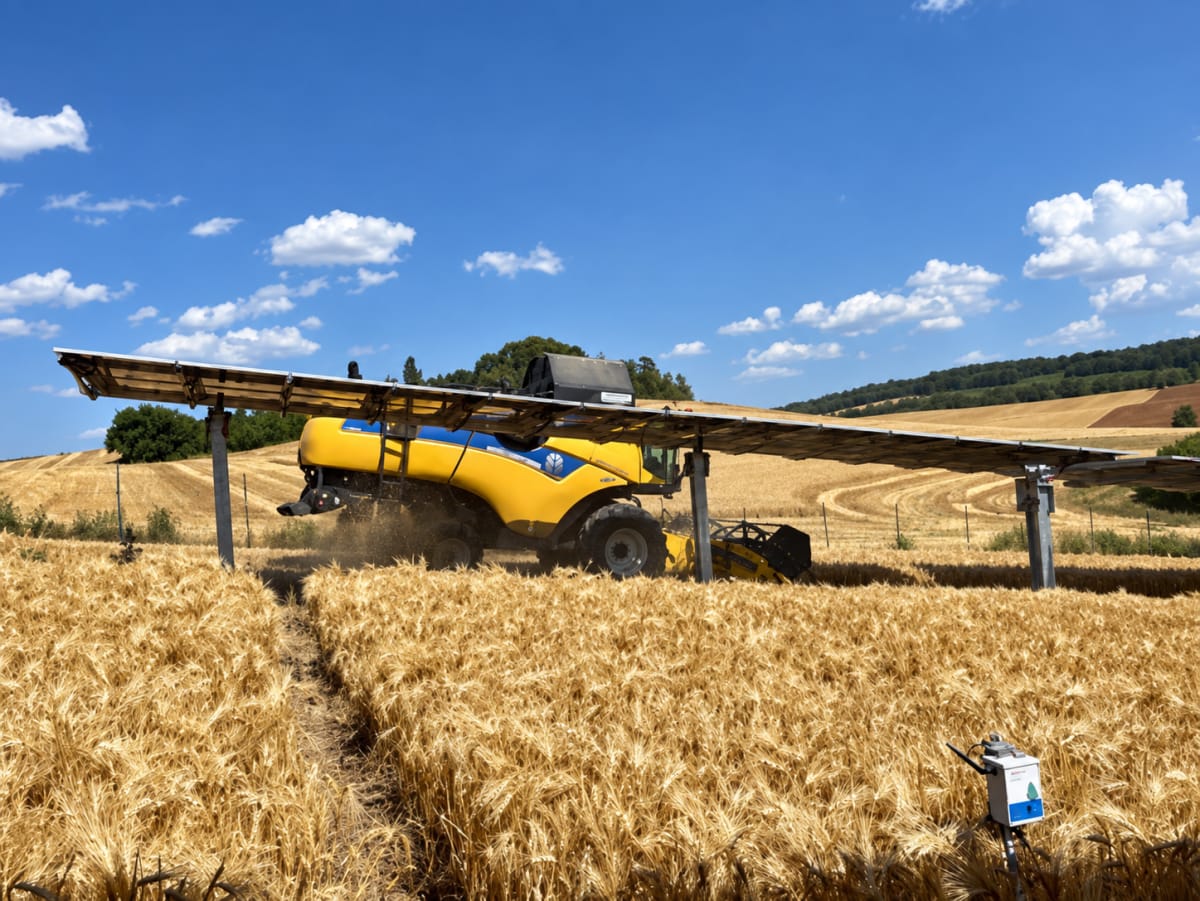
The verification study looked at four key tractor operations: tillage, seeding, intertillage, and harvesting. Researchers used official emission standards from Japanese agricultural cooperatives and environmental ministry data to calculate the carbon savings. The results showed consistent emissions reductions across all farming activities.
NEC tested the technology in partnership with Taisetsu Agricultural Cooperative in Hokkaido, Japan's northern farming heartland. The real-world conditions proved that the technology works beyond the lab, delivering benefits to actual farmers managing actual fields.
The Ripple Effect
This verification matters far beyond one farming system. Agriculture accounts for a significant portion of global carbon emissions, and solutions that help farmers reduce their footprint without sacrificing productivity could transform the entire food system.
The European Green Digital Coalition chose to validate this technology as part of its mission to identify digital solutions that can cut emissions across all industries. Their stamp of approval signals to farmers and policymakers that smart agriculture tools deliver on their environmental promises.
For farmers, this represents a rare win-win scenario. They can maintain or increase their yields while reducing fuel costs and meeting growing pressure to farm more sustainably. The technology doesn't require changing crops or buying new equipment, just using existing machinery more efficiently.
The verification also demonstrates how technology developed in one region can offer solutions globally. What works in Hokkaido's fields could help farmers from Europe to Africa reduce their carbon footprint while feeding their communities.
Smart agriculture is moving from theory to proven practice, one verified solution at a time.
Based on reporting by Google News - Emissions Reduction
This story was written by BrightWire based on verified news reports.
Spread the positivity!
Share this good news with someone who needs it