Neighbors Could Soon Share Solar Power Under New Model
A California activist is launching a pilot program that lets neighbors share solar panels, batteries, and clean energy across properties. The project aims to slash energy bills and pollution while breaking utility monopolies.
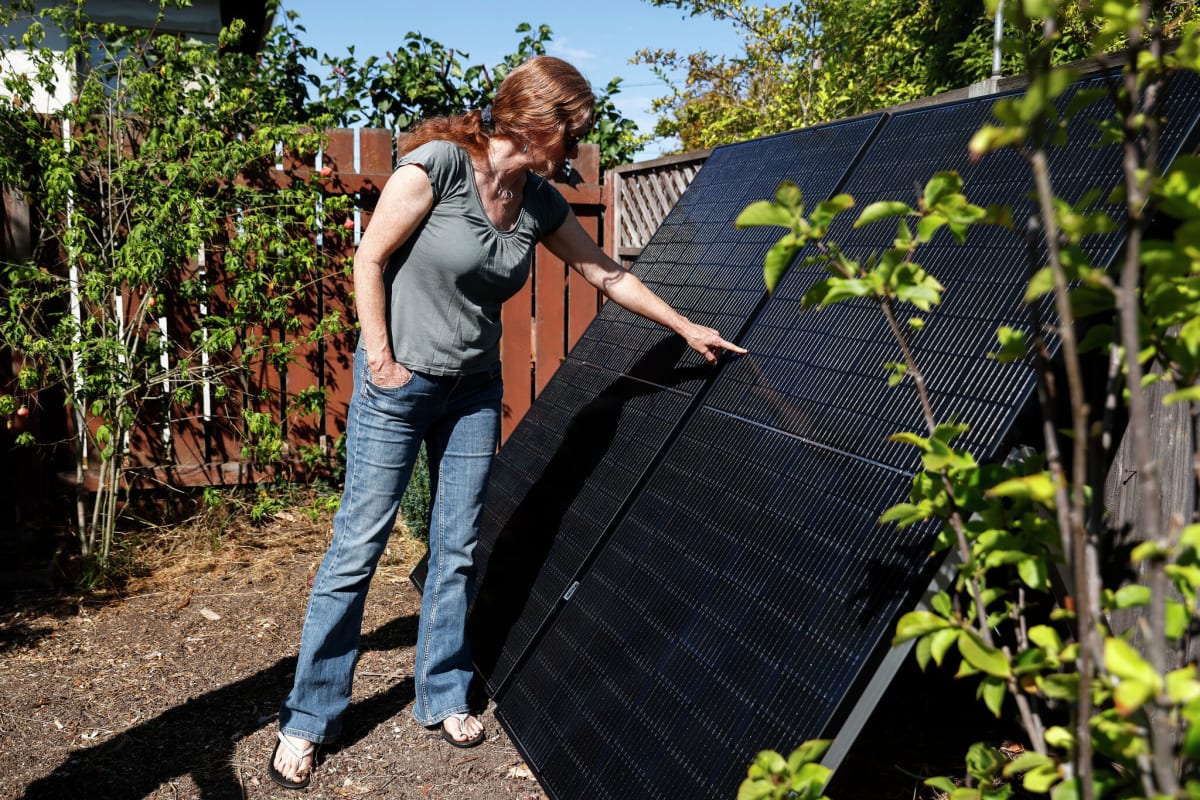
Imagine splitting solar panels with your neighbor to cut your power bill in half. That's the dream Paul Fenn is making real in Ithaca, New York, and he hopes California is next.
Fenn, an Oakland native and clean energy pioneer, spent decades frustrated by a simple problem. His neighbor's roof gets all-day sun while his sits in shade, but California law bans sharing energy "over the fence" unless you're a regulated utility. Now he's fighting to change that.
His new project, called "Own Your Power," launched this year in Ithaca as a national test case. The program helps renters and homeowners team up to share solar panels, batteries, heat pumps, and even electric vehicles across properties. People with shady roofs can buy shares in sunny projects elsewhere in their community.
Fenn isn't new to shaking up the energy world. In the 1990s, he helped create Community Choice Aggregators, nonprofit agencies that now serve 50 million Americans in 1,500 cities. In California alone, these agencies have invested nearly $50 billion in clean energy projects.
The utility industry has called him "Enemy No. 1" for good reason. He's spent his career challenging a century-old system where utilities own exclusive territories and guaranteed profits. Today, transmission and delivery charges often cost more than the actual electricity on people's bills.
The Ithaca pilot shows what's possible when neighbors control their own power. After several years of planning, the city now helps residents identify energy-sharing opportunities, secure permits, and find financing. Hurricane Sandy in 2012 convinced many New Yorkers that relying on distant power plants was too risky.
The Ripple Effect
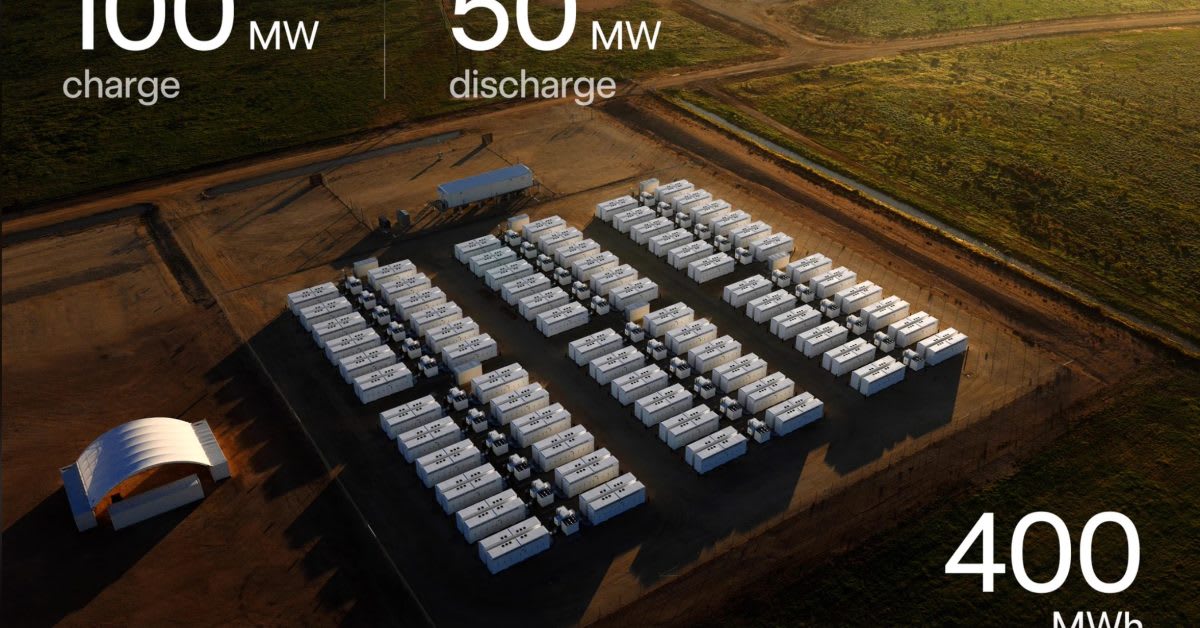
Some California communities are already catching the wave. San Anselmo just opened a $1.06 million "resilience hub" with solar panels, batteries, and EV charging that will pay for itself in 18 years while keeping essential services running during outages.
Even PG&E now plans to spend $43 million on nine microgrids serving vulnerable communities. But Fenn argues utilities resist faster change because their business model depends on selling power from distant plants, not helping neighbors share local energy.
New York's energy laws made the Ithaca pilot possible, but California could follow suit. Former gubernatorial candidate Tom Steyer campaigned this year on "localized solutions" for energy, showing growing political appetite for change.
The path isn't always smooth. Oakland's "EcoBlock" project, which aimed to wean an entire block off fossil fuels, collapsed last year due to rising costs and neighborhood resistance.
Still, the basic math is compelling: property owners sharing clean energy can slash their bills, reduce air pollution, and build resilience against outages while cutting dependence on expensive transmission infrastructure controlled by investor-owned utilities.
Based on reporting by Google News - Clean Energy
This story was written by BrightWire based on verified news reports.
Spread the positivity!
Share this good news with someone who needs it