Neighbors Volunteer as Heat Pump Coaches in Massachusetts
Volunteers in over 60 Massachusetts towns are helping neighbors switch to energy-efficient heat pumps, making green home upgrades less overwhelming. The grassroots HeatSmart Alliance trains everyday people to guide homeowners through the process for free.
When Lisa Wolf knocks on her neighbor's door in Marblehead, Massachusetts, she's not selling anything. She's offering free help to make their home greener.
Wolf volunteers as a heat pump coach, one of hundreds across Massachusetts trained to guide homeowners through switching from fossil fuel heating to energy-efficient heat pumps. It's like having a knowledgeable friend walk you through a complicated home upgrade.
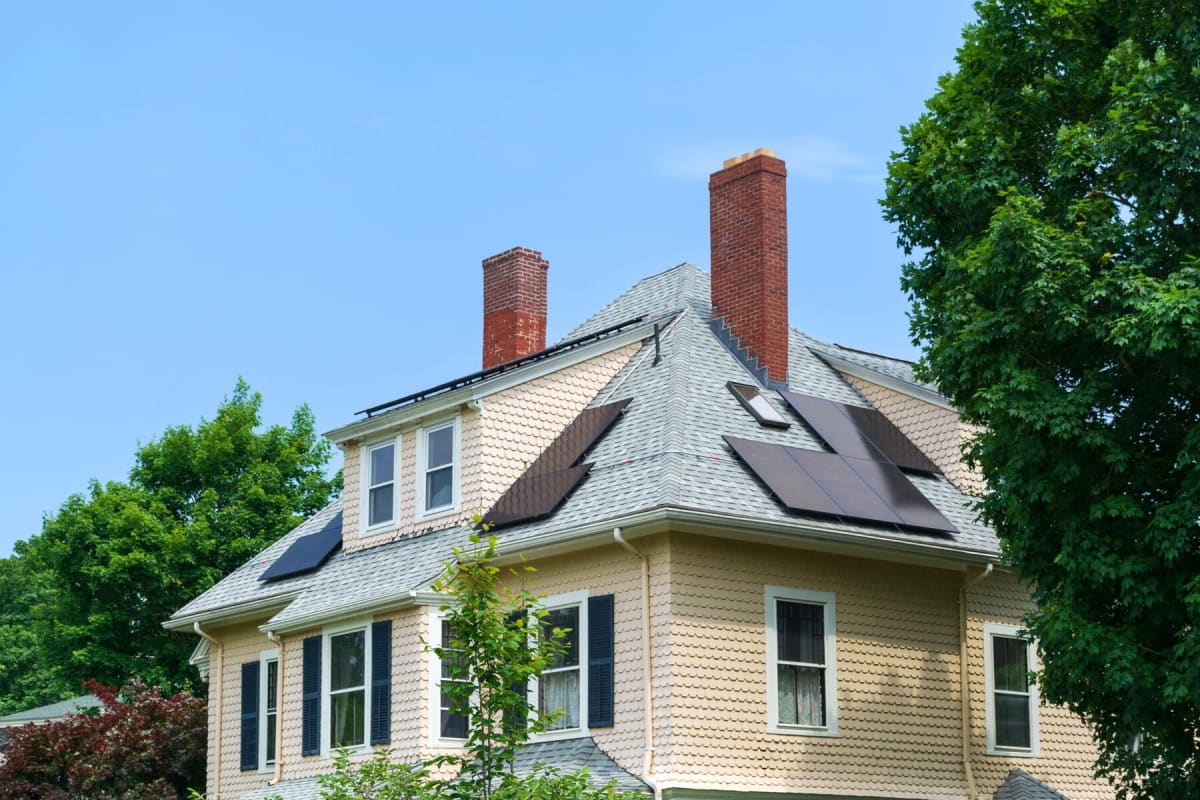
The approach works because it removes the overwhelm. Homeowners often don't know where to start when considering heat pumps, which are 3.5 times more efficient than conventional heating but can seem complicated to install.
Heat pump coaches provide simple starting points like lists of local contractors and available tax rebates. They'll walk through a home to discuss specific needs and help homeowners understand details like proper sizing before talking to installers.
The best part? Coaches don't need to be experts when they start. HeatSmart Alliance, founded by a retired engineer and former energy consultant in 2020, runs online training sessions multiple times a year to teach volunteers the basics.
More than 60 Massachusetts communities now have coaching programs through the all-volunteer organization. Each town runs its own chapter, so coaches understand local quirks like historic preservation rules or which contractors neighbors trust.
Wolf launched the program in Marblehead after setting one up in Wellesley, where she worked as sustainability coordinator. She says the local approach makes coaches more effective because they know the community's specific challenges.
The Ripple Effect
About 20 percent of America's greenhouse gas emissions come from home energy use. Every heat pump installation chips away at that number while cutting homeowners' energy bills.
But Wolf says the impact goes beyond carbon reduction. Building these volunteer networks creates community among people who share climate concerns, especially during uncertain times when federal policy shifts.
The work gives neighbors concrete ways to act on their values together. Instead of feeling powerless about climate change, they're actually changing something they can control.
Communities across Massachusetts are proving that big transitions don't require big budgets or government mandates. Sometimes they just need neighbors willing to help neighbors take the first step.
More Images




Based on reporting by Reasons to be Cheerful
This story was written by BrightWire based on verified news reports.
Spread the positivity!
Share this good news with someone who needs it