%2Ffile%2Fattachments%2Forphans%2FMuseum_669567.jpeg)
Nelson Mandela Bay Museum Brings Art to 70 Township Schools
A South African art museum is celebrating 70 years by bringing free art education to 70 township schools where most students have never had an art class. The program aims to unlock creativity in communities that have been left out of arts education for decades.
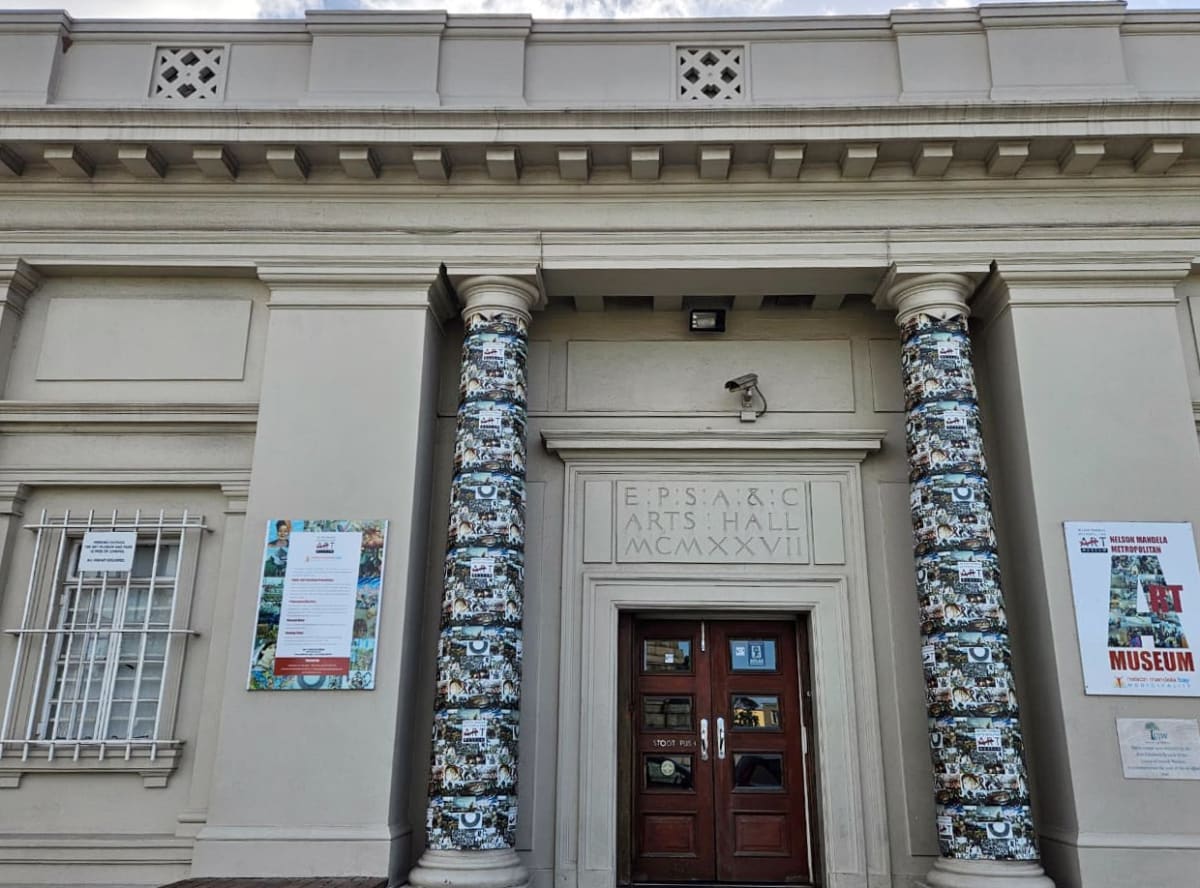
The Nelson Mandela Bay Art Museum in Gqeberha, South Africa, is marking its 70th birthday with a gift to the community: free art lessons for 70 township schools that have never had formal art programs.
The initiative tackles a troubling gap in education. Most township schools in Nelson Mandela Bay don't offer art classes at all, leaving thousands of children without any chance to explore creative careers.
"Children are not being given the opportunity to even try art out," explains Emma O'Brien, the museum's assistant director. "This is more acute in the township schools due to the former divisions in education."
The program comes at a crucial time. Since Covid, fewer students have been visiting the museum, and fewer young artists are pursuing formal training. Without intervention, an entire generation could miss out on discovering their creative potential.
Arts education officer Amanda Heshu says the impact is already visible. When township students visit the museum, it's often their first exposure to painting, sculpting, or beadwork. Teachers use what the museum teaches to assess their students because there's nowhere else to turn.
"Not a single school in Nelson Mandela Bay townships offer art," Heshu notes. The museum has become an essential resource for students who would otherwise never touch a paintbrush.
Ward councillors are helping select schools that have never visited the museum before. The program will bring structured arts and culture lessons directly to classrooms, eliminating transport barriers that have kept students away.
The museum has spent seven decades preserving and exhibiting art in the metro. Now it's ensuring the next generation can create art of their own.
The Ripple Effect
The program addresses more than just missing classes. It's fighting a harmful stigma that art isn't a "real" career path.
Kamvelihle Mrubata, the museum's art intern, was discouraged from pursuing an art degree because people didn't see it as viable work. "Little did they know that art can be used to solve engineering problems," she says.
The township of New Brighton has a rich visual arts history thanks to the late artist George Pemba. Local artists there are already stepping up as teachers, bridging the gap left by the formal education system. The museum wants to support and expand that grassroots movement.
Political head Sinebhongo Kwatsha emphasizes that while schools teach arts and culture as subjects, they focus on dance, singing, and history. "They don't do painting, sculpting, beadwork and the likes that can actually give them a skill they can turn into a career," he explains.
By reaching 70 schools, the museum hopes to spark creative thinking in communities where innovation has been stifled by lack of opportunity. Art doesn't just create artists; it creates problem solvers, entrepreneurs, and people who see the world differently.
The museum's fear is simple: without this intervention, art becomes "an idea of the past" when it should be pushing people toward innovative futures.
More Images
%2Ffile%2Fattachments%2Forphans%2FTrio_691807.jpeg)
%2Ffile%2Fattachments%2Forphans%2Fart1_262611.jpeg)
Based on reporting by Daily Maverick
This story was written by BrightWire based on verified news reports.
Spread the positivity!
Share this good news with someone who needs it


%2Ffile%2Fattachments%2Forphans%2FKyran-HappyValley-12_721791.jpg)