Nepal Doubled Forest Cover But Left the Poor Behind
Nepal's famous forest program reversed decades of deforestation and cut rural poverty, but new research reveals the environmental win created a troubling divide. The country's most vulnerable communities missed out on the economic gains that enriched others.
When Nepal handed control of nearly a third of its forests to local villagers in the 1980s, the world watched an environmental miracle unfold. The country doubled its forest cover between 1992 and 2016, turning years of destruction into one of conservation's greatest success stories.
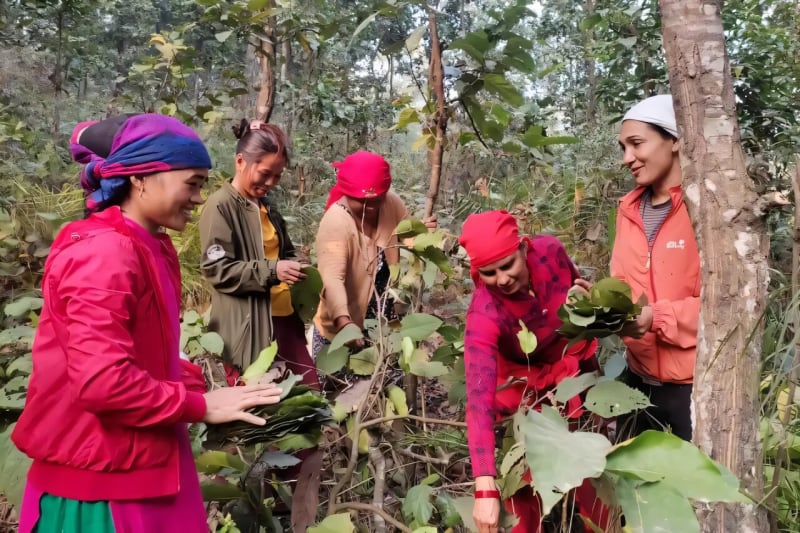
For rural families, these forests became essential lifelines. They provided firewood for cooking and fodder for livestock, resources that kept communities alive and thriving.
But new research from the University of Notre Dame reveals a hidden cost to this green triumph. While the program lifted many out of poverty, it left Nepal's most marginalized groups further behind than ever.
Scientists analyzed data from more than 500,000 households and found something troubling. The benefits of forest management flowed mainly to dominant ethnic and caste groups like the Brahmin, Chhetri and Newar, while Dalit and Janajati communities saw little improvement.
"The ones who gained the most were those in high-caste groups," said study co-author Krister Andersson, a professor of sustainable development at Notre Dame. "Lower-caste groups weren't negatively affected, but they were left behind."
The study, published in Nature Sustainability, points to a "gatekeeper" effect. Members of privileged groups had better education and connections to navigate the bureaucracy of forest management, positioning them to capitalize on timber sales and microloans.
In areas with the forest program, the wealth gap between rich and poor grew 15% larger than in areas without the program. Nepal had built equity into the system with guidelines requiring marginalized representation and poverty programs, but the rules didn't translate to reality.
The Bright Side
Researchers say the solution isn't to abandon community forest programs but to fix them. Stricter monitoring of equity rules and targeted payment schemes could help level the playing field for vulnerable families.
The findings matter beyond Nepal's borders too. Community-based conservation programs are spreading worldwide as a cornerstone of sustainability efforts, and other countries can learn from both Nepal's successes and its shortcomings.
"The solution is not to abandon decentralization, but to reform it," said co-author Nathan Cook, assistant professor at Indiana University Indianapolis. As more nations embrace similar programs, ensuring the benefits reach everyone becomes crucial to making environmental progress that truly lifts all communities.
The research shows that green wins and social equity can coexist with the right safeguards in place.
More Images
Based on reporting by Phys.org - Earth
This story was written by BrightWire based on verified news reports.
Spread the positivity!
Share this good news with someone who needs it