Gorilla Tourism Lifts 1,000+ Apes and Communities from Poverty
Mountain gorillas are bouncing back from near extinction while lifting thousands of people out of poverty across three African nations. Conservation programs that share tourism money with local villages are proving you can protect wildlife and fight poverty at the same time.
Deep in the misty forests where Rwanda, Uganda and the Democratic Republic of the Congo meet, an endangered species is making a comeback while creating thousands of jobs for the people who live nearby.
Mountain gorillas now number just over 1,000 individuals worldwide, all living in two small forest regions. For decades, poverty pushed local communities toward poaching and illegal hunting as survival strategies.
Then these three countries tried something different. They turned gorilla protection into a pathway out of poverty.
Rwanda charges visitors $1,500 per person to trek through Volcanoes National Park and observe mountain gorillas in their natural habitat. The country then shares 10% of all national park tourism revenue directly with nearby communities, funding schools, health centers and infrastructure projects.
The results speak for themselves. Gorilla tourism now generates over $600 million annually for Rwanda and creates jobs across hospitality, transportation and guiding sectors.
Uganda took a similar approach in Bwindi Impenetrable National Park, where controlled trekking permits fund both conservation efforts and community development. Local residents now work as guides, porters, trackers and park staff, earning stable incomes tied directly to keeping gorillas safe.
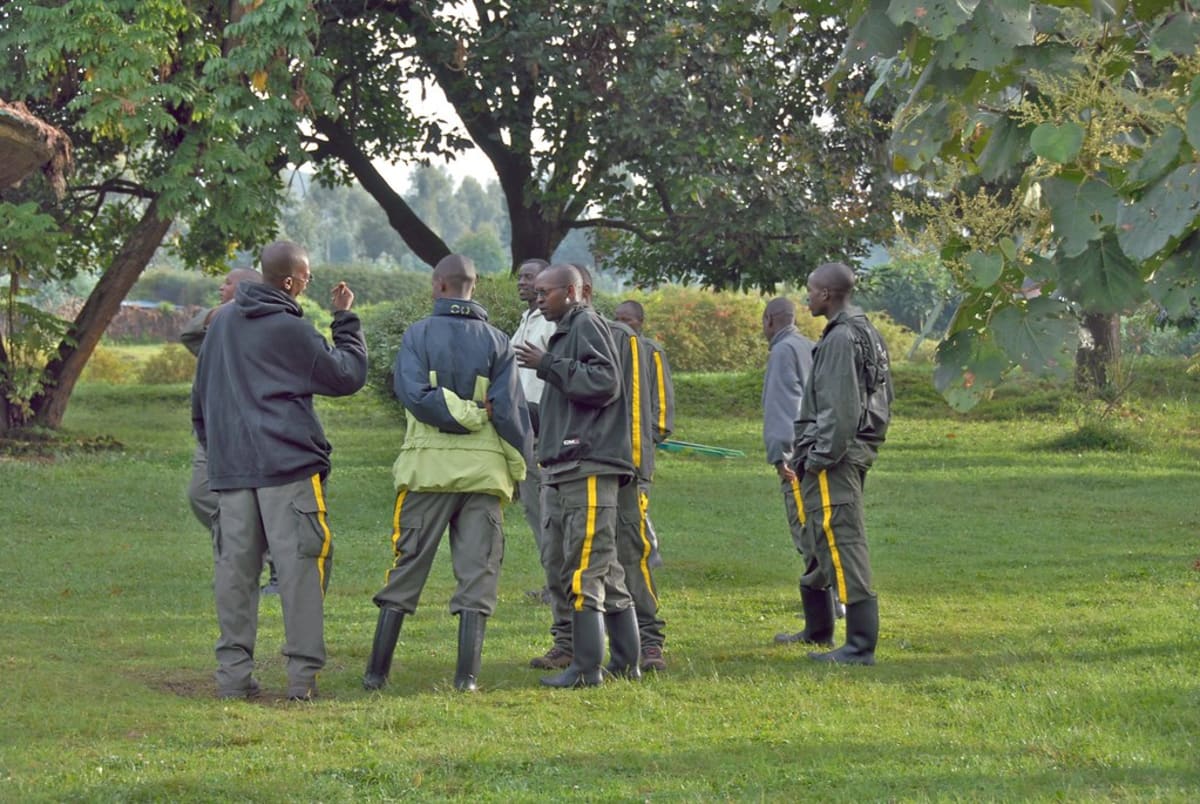
The Democratic Republic of the Congo faces bigger challenges due to ongoing conflict, but conservation programs in Virunga National Park still employ local rangers who remove traps and monitor wildlife populations. These jobs provide crucial income in regions where economic opportunities remain scarce.
The Ripple Effect
The connection between protecting gorillas and reducing poverty creates a powerful cycle. When communities earn money from living gorillas, poaching becomes less attractive than protection.
Tourism jobs offer alternatives to illegal hunting that once threatened the species. Families can afford school fees, healthcare and better nutrition because visitors travel thousands of miles to see mountain gorillas.
Conservation organizations report that communities now actively participate in protecting gorilla habitats rather than exploiting them. Former poachers have become some of the most effective wildlife guardians.
The model proves that conservation works best when local people benefit directly from it. Revenue sharing, job creation and infrastructure investment address the economic pressures that historically drove poaching.
As mountain gorilla populations slowly recover from the brink of extinction, the communities surrounding them are building more stable futures too.
Based on reporting by Google News - Poverty Reduction
This story was written by BrightWire based on verified news reports.
Spread the positivity!
Share this good news with someone who needs it