Croissant-Sized Snail Gets Second Chance in Africa
A giant snail species once abundant in Central Africa now has scientists racing to save it from extinction. After decades of threats, conservationists are finally seeing hope for this unique forest guardian.
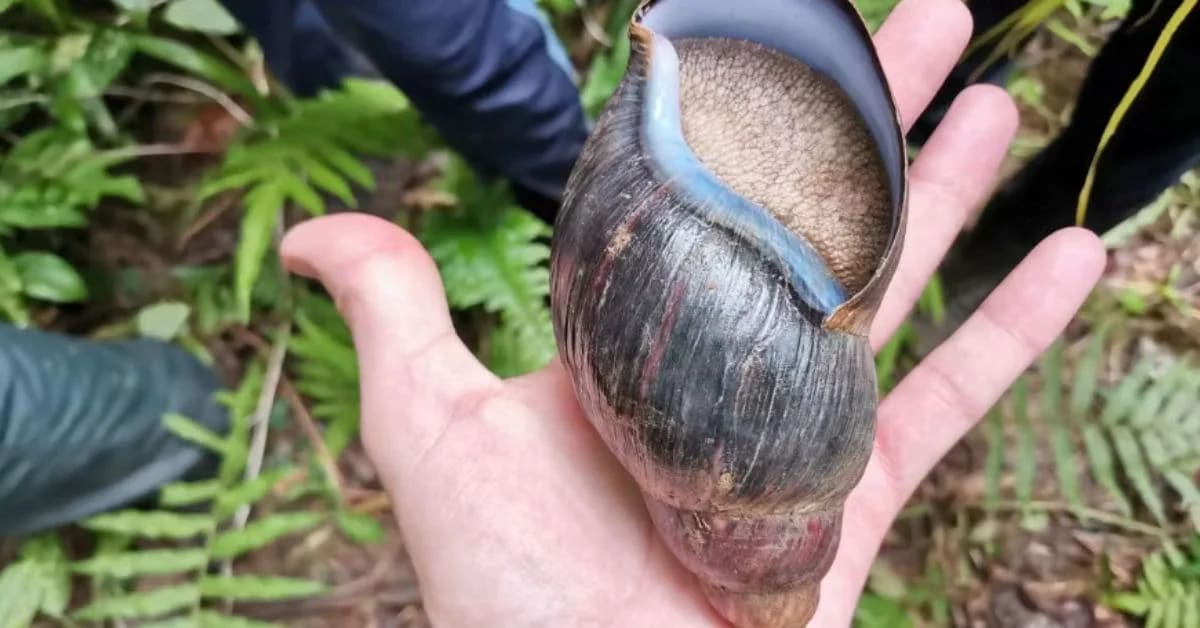
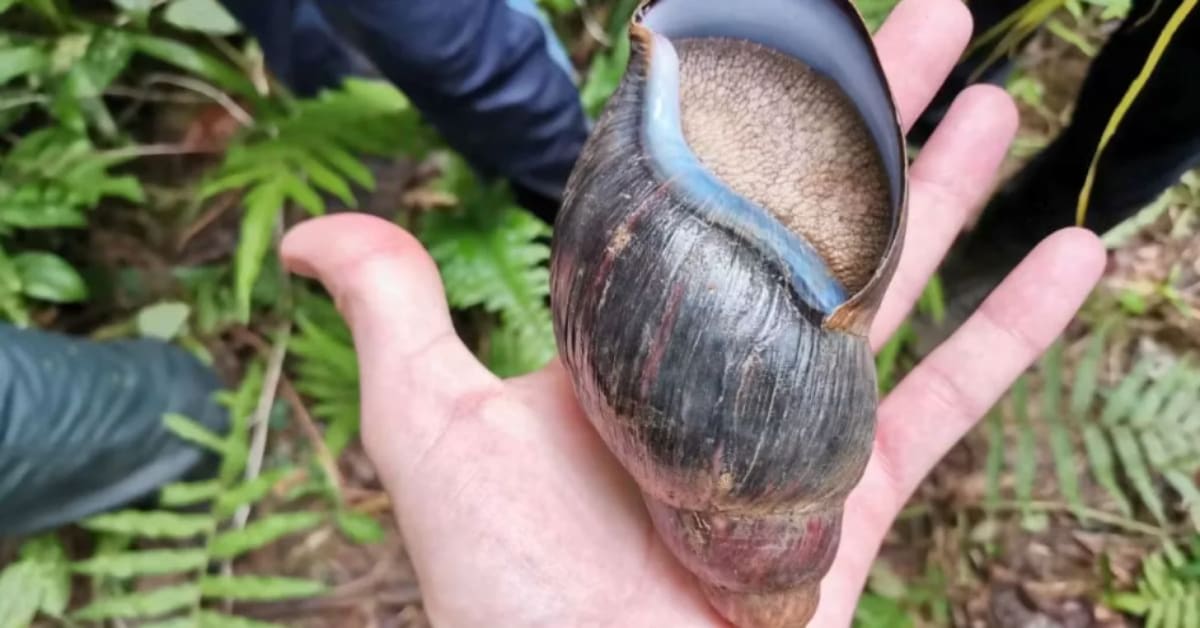
When biologist Martina Panisi holds up a giant Obô snail on a video call with students worldwide, her excitement is contagious. "They're still here," she says, cradling the croissant-sized creature like treasure.
These remarkable snails can grow over six inches long and produce eggs the size of olives. But they only lay three to six eggs per year, making every single snail precious.
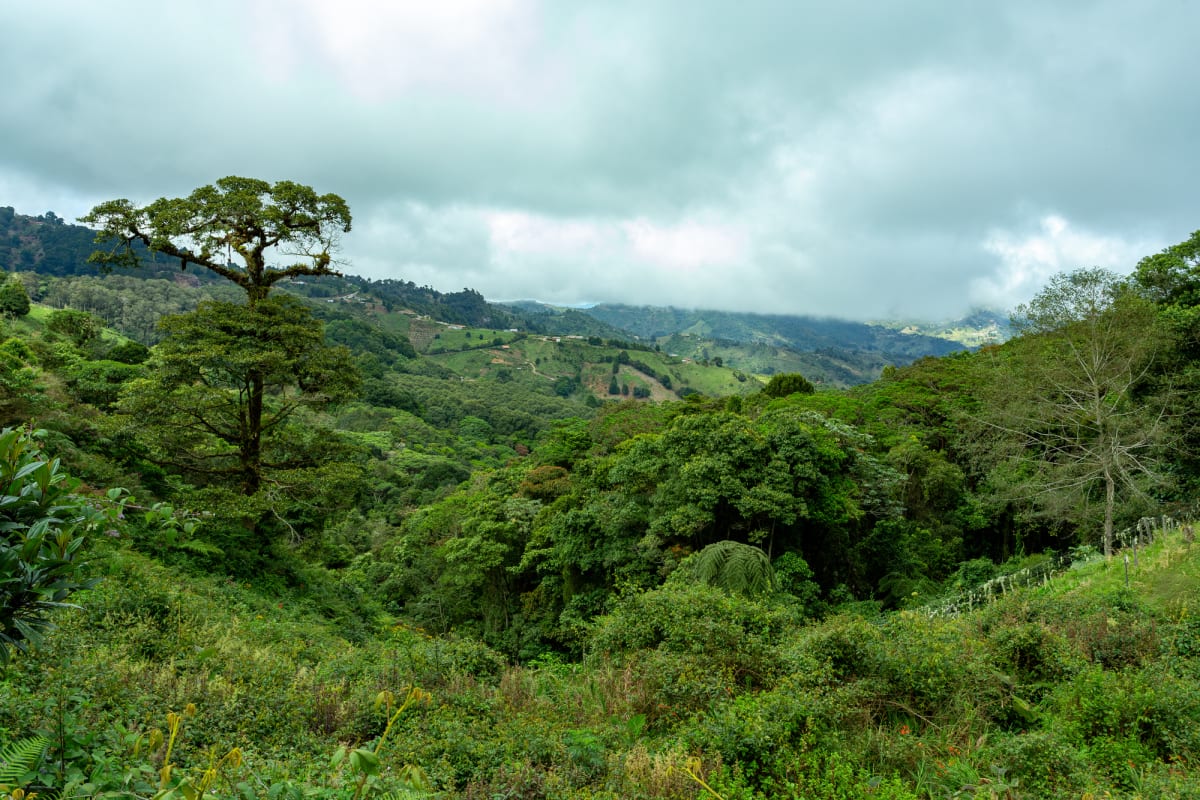
For 30 million years, the Obô giant snail thrived in the tropical forests of São Tomé and Príncipe, two islands off Central Africa's coast. They were once the most abundant species there, quietly doing essential work by breaking down forest litter and returning nutrients to the soil.
Then everything changed. Wild pigs, rats, cats, and other invasive animals started hunting the slow-moving snails. People harvested them for food. An unknown disease spread through their population. Their forest homes shrank.
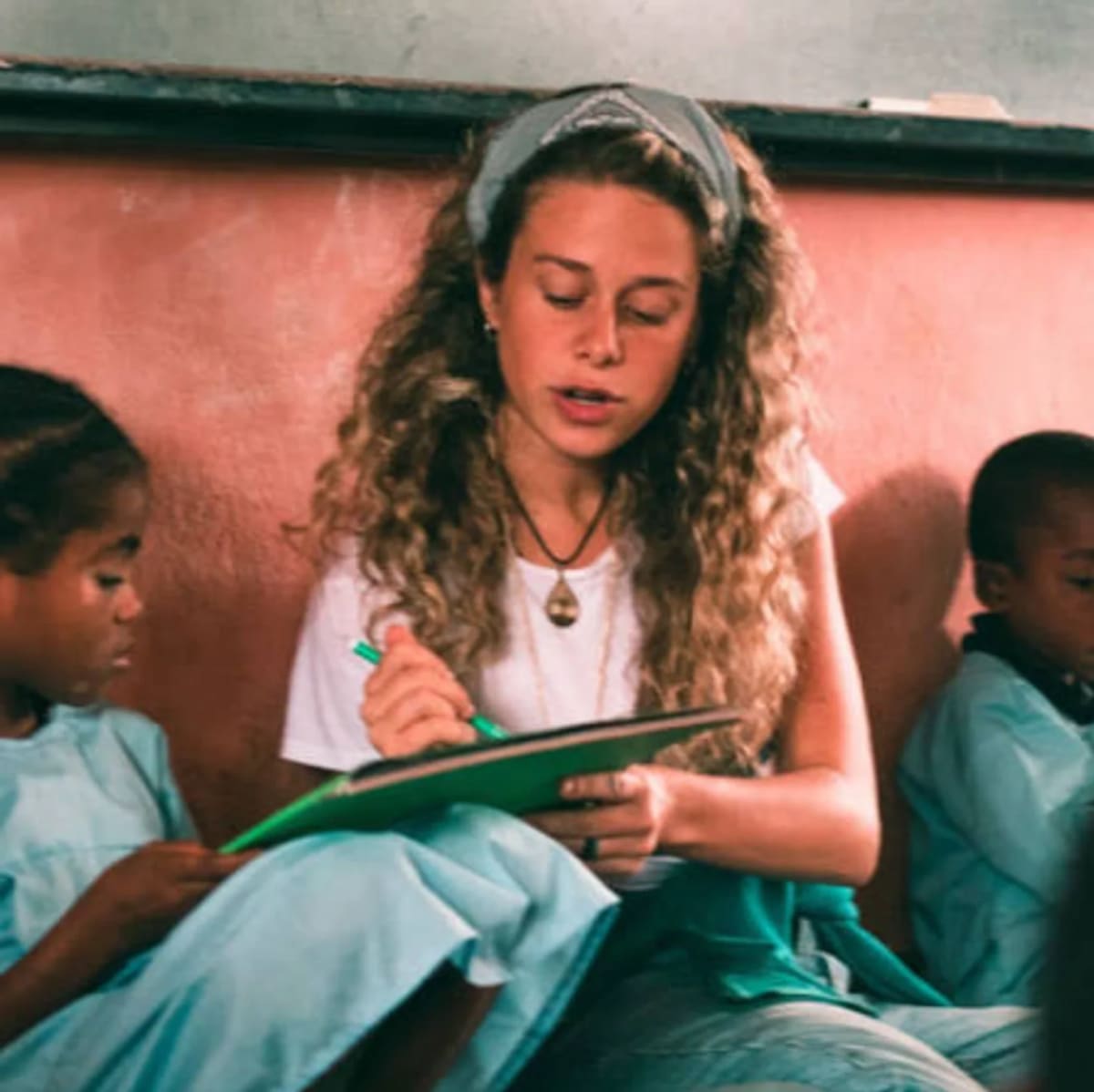
Now Panisi and local conservationists are fighting back. For over six years, she's dedicated her work to protecting these hermaphroditic mollusks at a conservation center on São Tomé Island.
Mossy Earth, a UK-based conservation group, joined the effort by funding forest surveys and genetic research. Understanding the snails' migration history helps scientists protect their genetic diversity, giving the species the best chance to adapt as their environment changes.
Flora & Fauna, the nonprofit backed by Sir David Attenborough, calls São Tomé and Príncipe the "Galapagos of Africa." After millions of years of isolation, these islands evolved species found nowhere else on Earth.
The Ripple Effect: Saving the Obô giant snail means saving far more than one species. These gentle creatures keep entire forests healthy by recycling nutrients back into the soil. Their survival supports the towering trees, rare birds, and countless other species that depend on these ancient woodlands.
Every time Panisi finds an Obô giant snail during a forest survey, it's a small victory. Students watching from around the world learn that conservation isn't just about preventing loss but about celebrating what we can still protect.
The conservation center now serves as both a safe haven and an education hub. Local communities are learning why these slow-growing snails matter and how protecting them strengthens the entire ecosystem.
After decades of decline, the tide is turning for these yellow-egg-laying giants.
More Images

Based on reporting by Google: species saved endangered
This story was written by BrightWire based on verified news reports.
Spread the positivity!
Share this good news with someone who needs it