Rainforests Recover 90% of Biodiversity in 30 Years
Cleared tropical rainforests can bounce back to 90 percent of their original species diversity within a single generation, according to groundbreaking research tracking over 10,000 species in Ecuador. The secret? Animals don't just move back in—they actively drive the recovery.
Scientists just confirmed what conservationists have hoped for decades: tropical rainforests have a remarkable ability to heal themselves, and it happens faster than anyone expected.
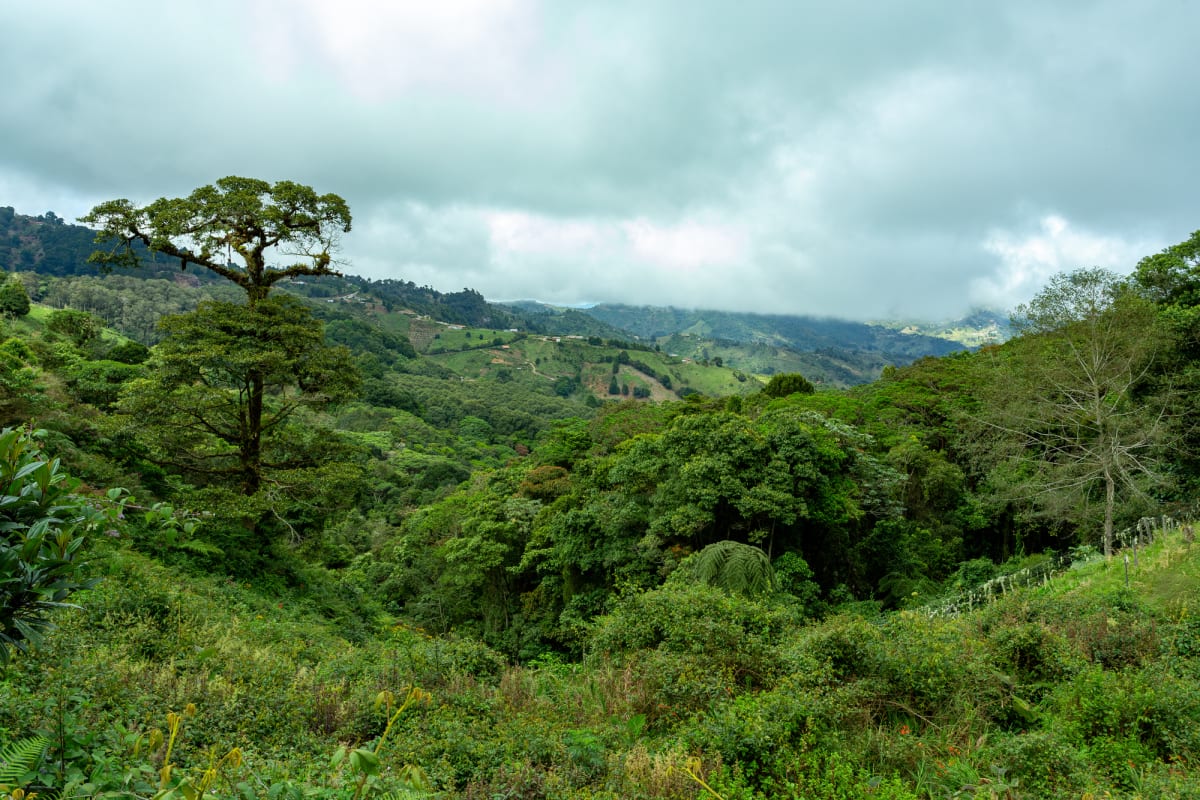
A massive new study from Ecuador's Chocó region tracked more than 10,000 species across 62 sites, from working farms to forests that had been quietly regrowing for years. The findings are striking: without any active replanting or restoration effort, cleared rainforest land recovers 90 percent of its species diversity within roughly 30 years.
That's one human generation. And it happens largely on its own.
"Our findings show just how effectively we can protect nature," said co-author Martin Schaefer. The study, published in Nature, pooled data from more than 30 research groups to create the most comprehensive picture of rainforest resilience ever assembled.
Lead researcher Timo Metz noted that while scientists have theorized about this kind of recovery for years, hard evidence at this scale simply didn't exist before. Now it does, and it's based on field observations spanning decades.
The timeline varies by species. Birds and bats arrive early, moving in as soon as vegetation begins to thicken and provide cover. Soil bacteria, specialized insects, and towering canopy trees take longer, sometimes lagging by decades.
The Bright Side
Here's the twist that surprised researchers: animals aren't just benefiting from forest recovery. They're driving it.
Bats, monkeys, and birds carry tree seeds back into cleared areas. Dung beetles bury those seeds in the soil. Hundreds of other species handle pollination duty. Because these mobile creatures arrive early and create conditions for the next wave of life, the process compounds faster than theoretical models predicted.
Without that animal layer, forests are left to slowly seed themselves from the edges. That's a much slower journey.
Previous land use also matters more than expected. Former cocoa farms, where some trees remained standing during cultivation, recover faster because residual structure provides immediate habitat and shade. Abandoned pasture faces a tougher road: dense grasses outcompete seedlings and can slow establishment for years.
This doesn't make old-growth forests expendable. They supply the seed sources, the animal populations, and the soil microbiomes that regenerating forests desperately need. Cut off the primary forest nearby, and recovery slows substantially or stops entirely.
But the research does offer something powerful: evidence that protection works, and that nature has healing capacity we can support. "By purchasing and protecting land, we can preserve the diversity of life and the foundations of our societies—soil, water, and the pollination of plants that form the basis of our food supply," Schaefer said.
That's a policy argument backed by 10,000 species worth of field data, and it arrives exactly when conservation efforts need every win they can get.
Based on reporting by Optimist Daily
This story was written by BrightWire based on verified news reports.
Spread the positivity!
Share this good news with someone who needs it