West African Leopards Rebound in Benin National Park
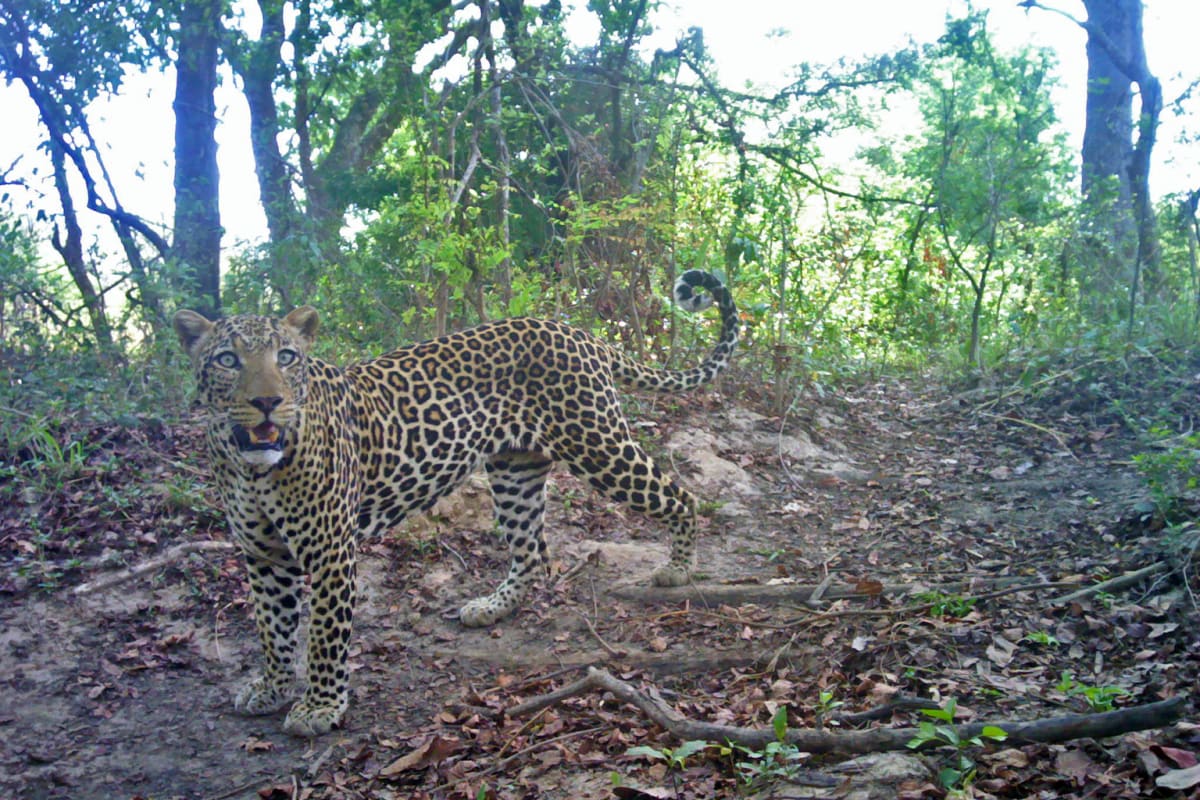
Against all odds, leopard populations in Benin's Pendjari National Park have grown over six years, offering rare hope for one of Africa's most endangered big cats. With just 354 West African leopards left in the wild, even a small increase signals that conservation can work in conflict zones.
Deep in a national park surrounded by armed conflict, one of the world's rarest leopards is making a comeback.
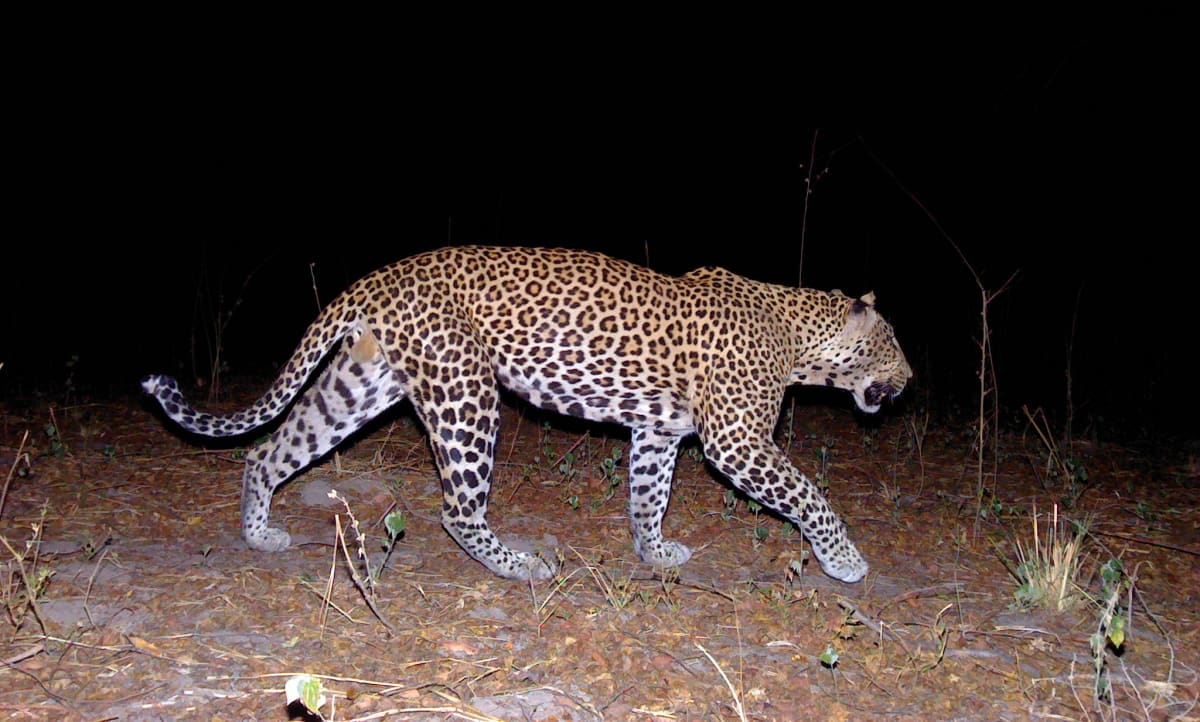
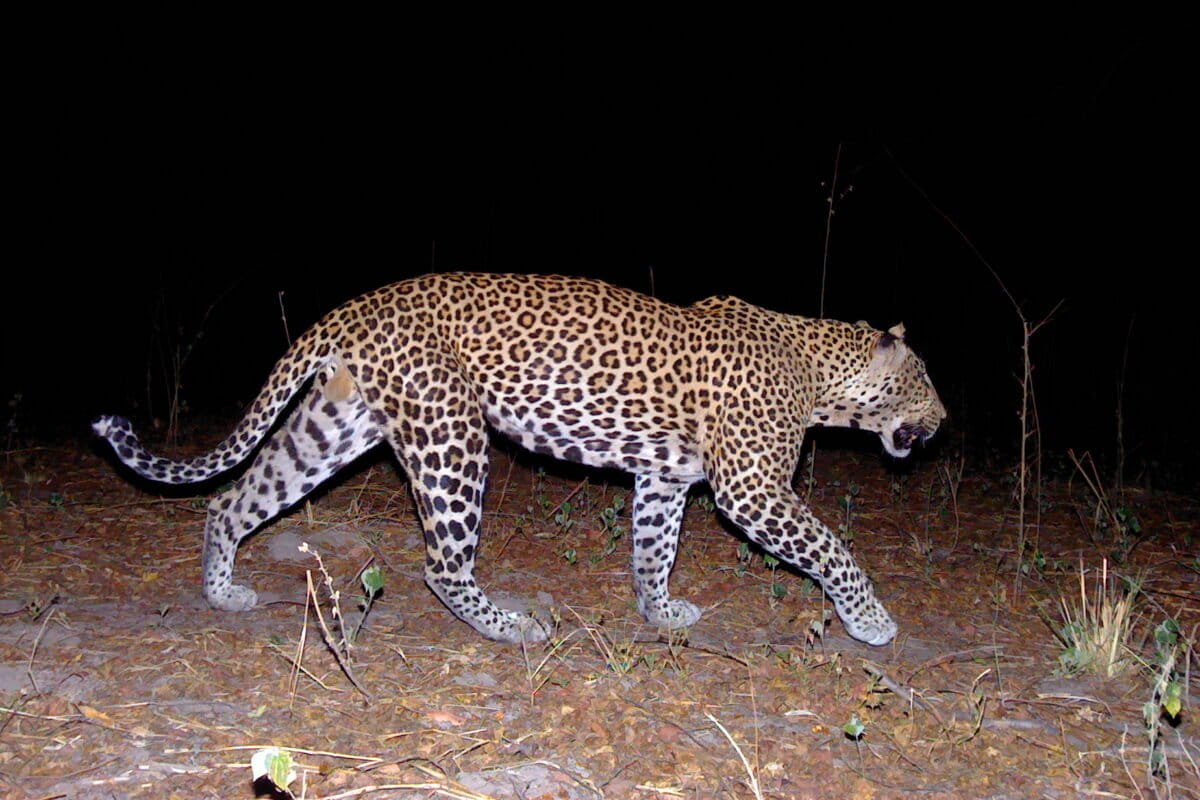
West African leopards are critically endangered, with only 354 left across the entire region. But in Benin's Pendjari National Park, researchers discovered something unexpected: leopard numbers grew between 2017 and 2023, even as security threats intensified around them.
The density of leopards tripled during the six-year study period, rising from 0.62 to 2.08 leopards per 100 square kilometers. Lead researcher Marine Drouilly from Panthera called it "a win," especially since the team expected to find declining numbers.
Pendjari sits within a vast wilderness area that's been infiltrated by armed groups operating in the Sahel. The park is one of the last strongholds for these geographically isolated leopards, which have suffered a 50% decline over two decades due to habitat loss, bushmeat hunting, and poaching for the illegal wildlife trade.
What changed in 2017? The nonprofit African Parks partnered with Benin's government to manage the park, bringing dedicated rangers, anti-poaching units, and aerial surveillance. They've restored habitat, increased prey populations, and built trust with local communities by involving them in decisions and supporting economic development.
The Ripple Effect
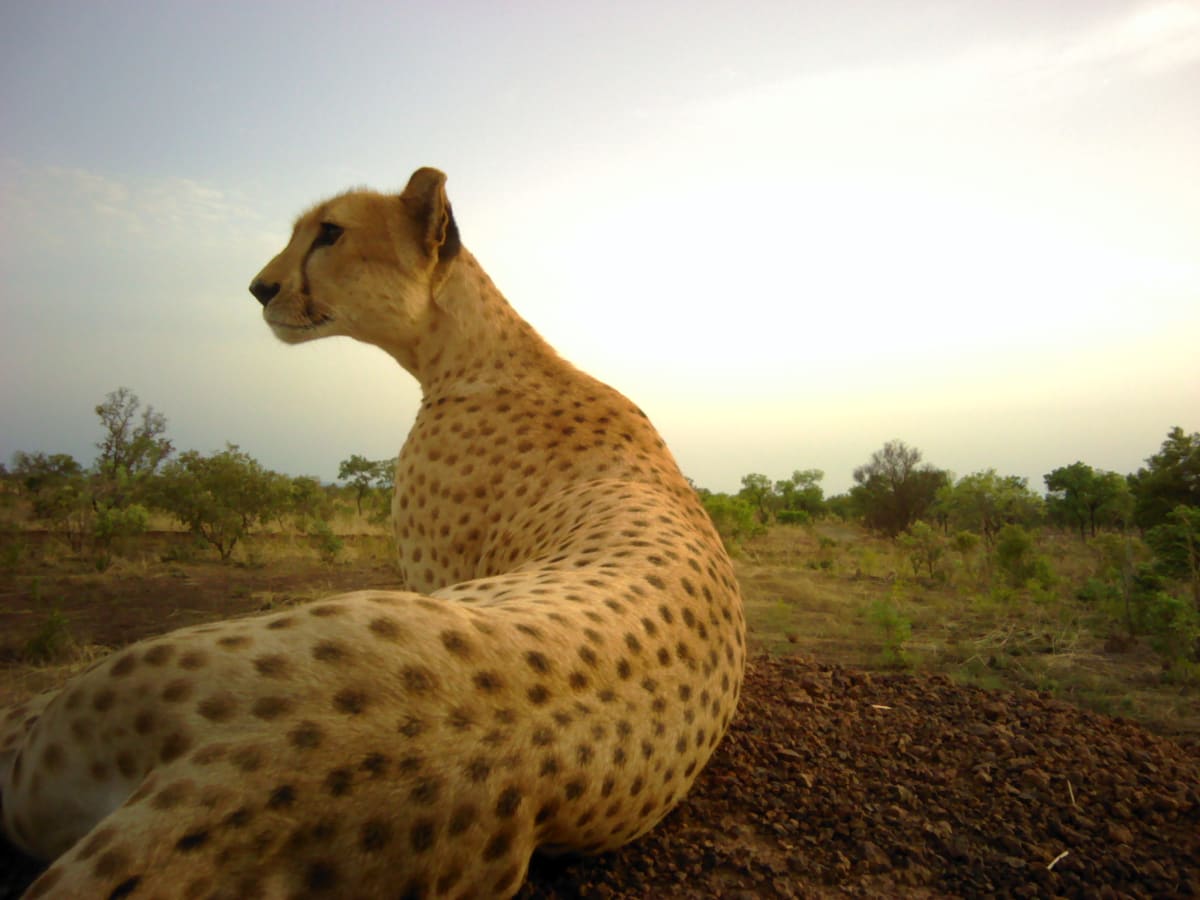
The success at Pendjari proves that conservation can work even in conflict zones. The park protects not just leopards but also West African lions, 90% of the region's remaining forest elephants, and the last known population of Northwest African cheetahs.
Rangers maintain a strong presence despite security risks, supported by Benin's armed forces. Their dedication shows that with proper resources and community partnerships, wildlife can recover even under the most challenging conditions.
The study offers lessons for protecting endangered species in other unstable regions across Africa and beyond. When conservation teams stay committed and communities stay engaged, wildlife finds a way back.
With only 354 West African leopards left in the wild, every single animal counts, and Pendjari is showing the world that recovery is possible.
More Images

Based on reporting by Mongabay
This story was written by BrightWire based on verified news reports.
Spread the positivity!
Share this good news with someone who needs it