Africa Invests $125M to Build Batteries, Not Just Mine Lithium
Africa's biggest trade bank just put $125 million into electric vehicles, but the real goal is bolder: stop shipping raw minerals abroad and start building a homegrown battery industry. The continent holds over 26 million tonnes of lithium but captures almost none of the profit from turning it into batteries.
Africa is done being the world's mine. The continent's largest trade bank just invested $125 million in electric motorcycle company Spiro, and the message is clear: if you're only here to dig up lithium and ship it overseas, don't bother asking for funding.
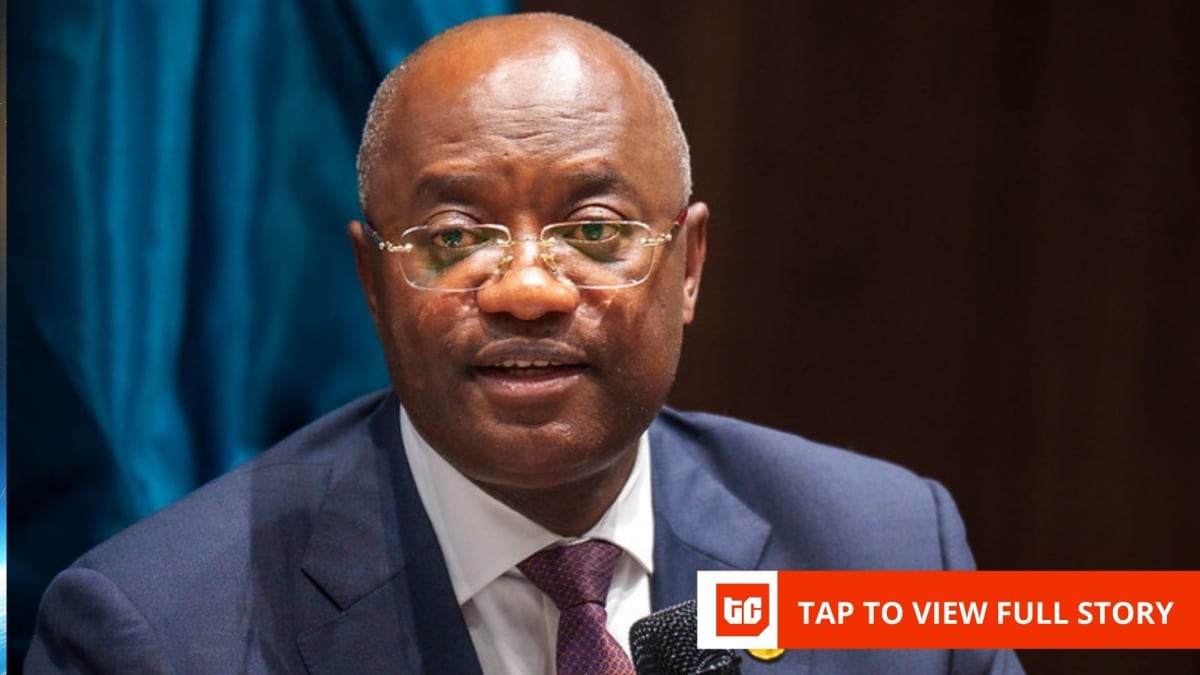
George Elombi, president of the Africa Export-Import Bank (Afreximbank), told reporters in Abuja this week that his institution is redirecting money toward companies that process minerals at home. After visiting China's battery factories in June, he saw the future and decided Africa needs to build it locally.
"If somebody is coming just for the mining and then takes lithium in its raw state abroad, please don't bring him to Afreximbank," Elombi said. "We want people who mine and process at home."
The numbers explain why. Africa holds roughly 26.7 million tonnes of lithium, about 5% of global reserves, and production is expected to jump from 4% of the world's supply in 2023 to nearly 15% by 2028. But almost all of it leaves the continent as raw ore, letting foreign manufacturers capture the real value in making batteries.
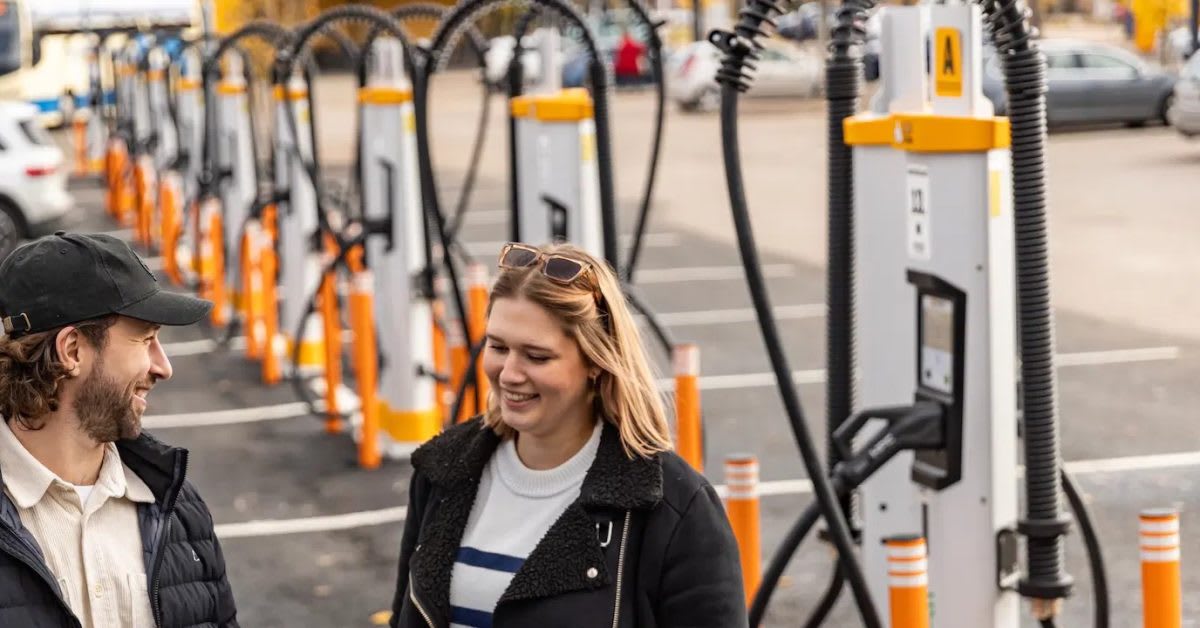
That's where Spiro comes in. The company runs electric motorcycle fleets with battery-swapping stations across six African countries including Nigeria, Kenya, and Rwanda. Afreximbank invested $75 million in equity and extended a $50 million loan to expand those operations.
But Elombi sees Spiro as more than transportation. Companies like it create the demand needed to justify building battery factories in Africa instead of importing finished products or shipping minerals away.
The Ripple Effect
The strategy is already spreading. Zimbabwe, Namibia, and Ghana now restrict raw lithium exports, while Nigeria requires mining investors to build processing plants locally. Chinese firms have committed over $1.3 billion to lithium processing facilities in Nigeria alone, where deposits are estimated to be worth $34 billion.
Morocco is building Africa's largest lithium-ion battery factory through a $1.3 billion investment by China's Gotion High-Tech, with plans to eventually scale up to a $6.4 billion plant producing enough batteries for European automakers. Zambia and the Democratic Republic of Congo are jointly developing a $2.7 billion battery economic zone to manufacture materials instead of exporting cobalt, copper, and lithium.
Research shows producing battery materials in the DRC could cost one-third the price of American facilities while generating lower emissions than Chinese plants.
Challenges remain, especially technical expertise. "We have the resources. We have the money," Elombi said. "What we don't have is the expertise." His trip to China showed him that modern EV batteries aren't single units but hundreds of small cells assembled into complex systems requiring specialized knowledge.
Still, the shift is happening. Afreximbank's future investments will target companies that process minerals, manufacture battery components, and build local supply chains rather than simply extract and export.
Africa is betting that controlling the full battery supply chain, from mining to manufacturing, will generate more jobs, more revenue, and more control over an industry expected to define the next century of global industry.
More Images

Based on reporting by TechCabal
This story was written by BrightWire based on verified news reports.
Spread the positivity!
Share this good news with someone who needs it