Nepal Province Legalizes Medical Marijuana Despite Ban
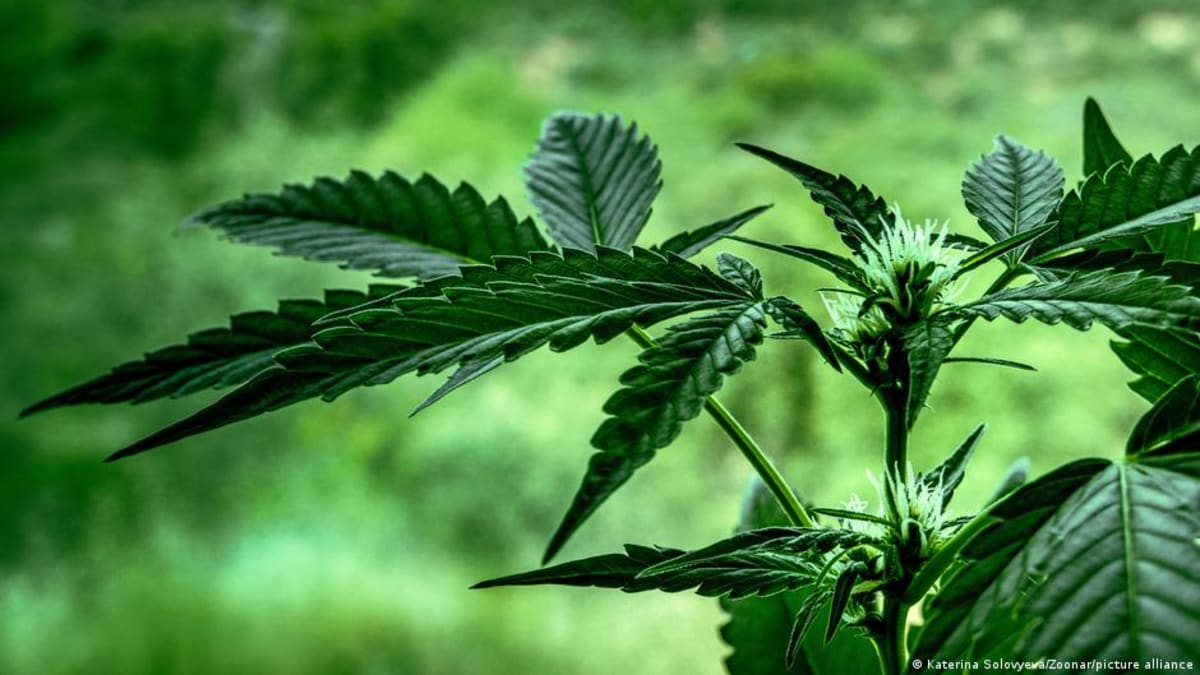
Nepal's Gandaki province just made history by legalizing medical cannabis cultivation and use, even though the plant remains banned nationwide. The unanimous decision reconnects farmers with a crop once deeply woven into the country's cultural and religious traditions.
For the first time in decades, Nepali farmers in Gandaki province can legally grow a plant that once thrived in their fields and temples. The province passed groundbreaking legislation this week allowing medical cannabis cultivation, defying a national ban that's been in place since the 1970s.
The new law requires farmers to get official permission and submit to monitoring, but it opens doors that have been closed for nearly 50 years. Gandaki, home to some of Nepal's most stunning mountain trails and the resort city of Pokhara, became the first of the country's seven provinces to take this step.
What makes this especially meaningful is cannabis isn't foreign to Nepal. The plant grows natively across the Himalayan nation and played a central role in festivals and religious ceremonies for centuries. Activists have campaigned for years to restore what they see as an important part of their heritage.
The contrast with current national law is stark. Possessing marijuana for personal use can land you in jail for a month, while selling it carries penalties up to 10 years behind bars. Yet provincial lawmakers from both ruling and opposition parties voted unanimously to move forward anyway.
Nepal banned cannabis in the late 1970s under international pressure, ending an era when the country attracted visitors from around the world drawn to its liberal cannabis culture. The government expelled the hippie travelers who had flocked there and criminalized a plant that had been part of daily life.
The Ripple Effect
This provincial law sets a powerful precedent that could ripple across Nepal's other six provinces. When lawmakers from opposing parties agree unanimously on controversial legislation, it signals a genuine shift in thinking about traditional practices and medical possibilities.
Farmers who once risked imprisonment for growing a native plant now have a legal path forward, at least within Gandaki's borders. The medical focus of the law acknowledges both modern healthcare needs and ancient wisdom about the plant's uses.
As Nepal navigates the tension between international drug policies and its own cultural history, one province is showing that reconciliation might be possible.
More Images


Based on reporting by DW News
This story was written by BrightWire based on verified news reports.
Spread the positivity!
Share this good news with someone who needs it