Nepal's Sa: Paru Festival Honors Dead With Dancing, Not Tears
In Nepal's ancient city of Bhaktapur, families celebrate lost loved ones with drums, dancing, and eight days of joyful community festivities. The Sa: Paru festival transforms Western ideas of grief into a vibrant farewell celebration.
While Western funerals are marked by silence and black clothing, thousands gather in Nepal each year to honor their dead with dancing, music, and festival joy.
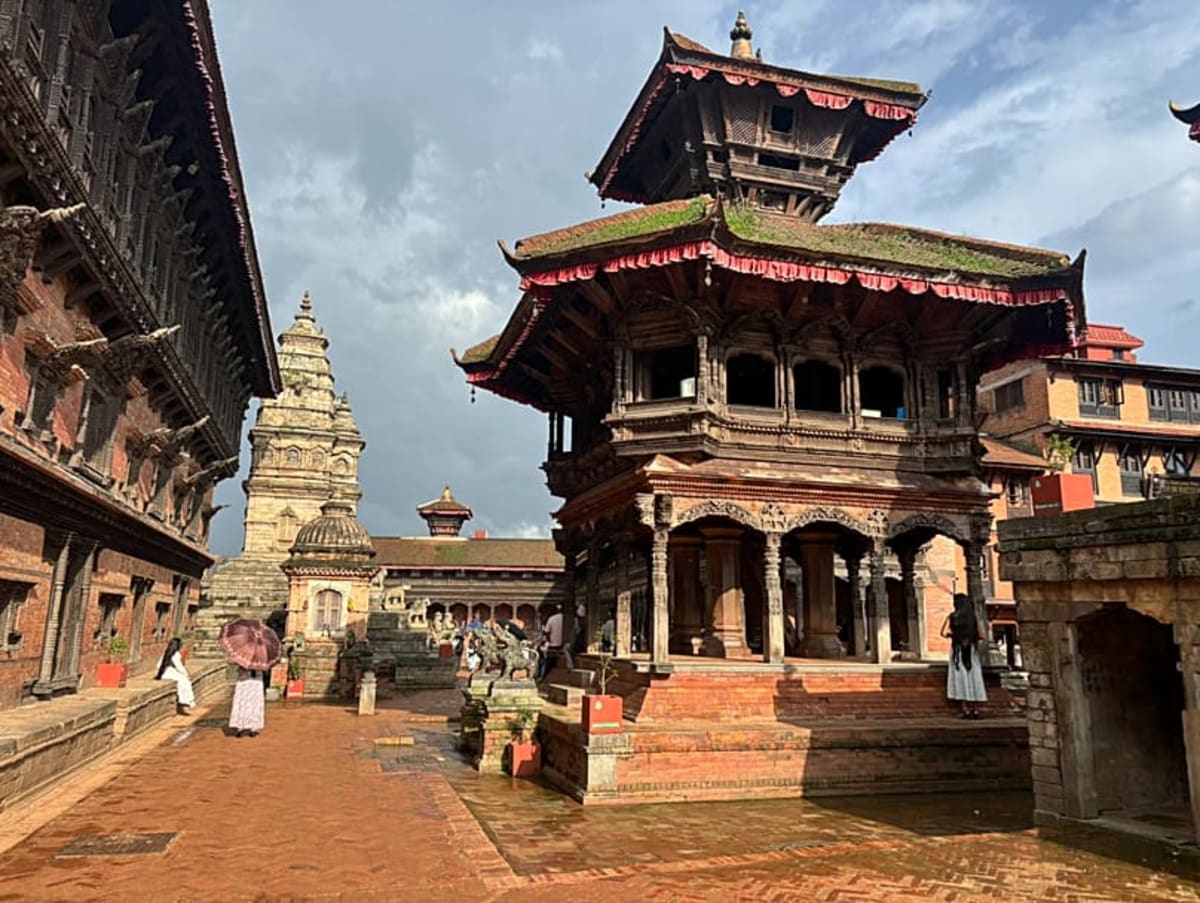
Sa: Paru takes place annually in Bhaktapur, an ancient city near Kathmandu, where the Newar community transforms grief into celebration. Families who lost loved ones in the past year join together for eight days of processions, traditional dances, and community support.
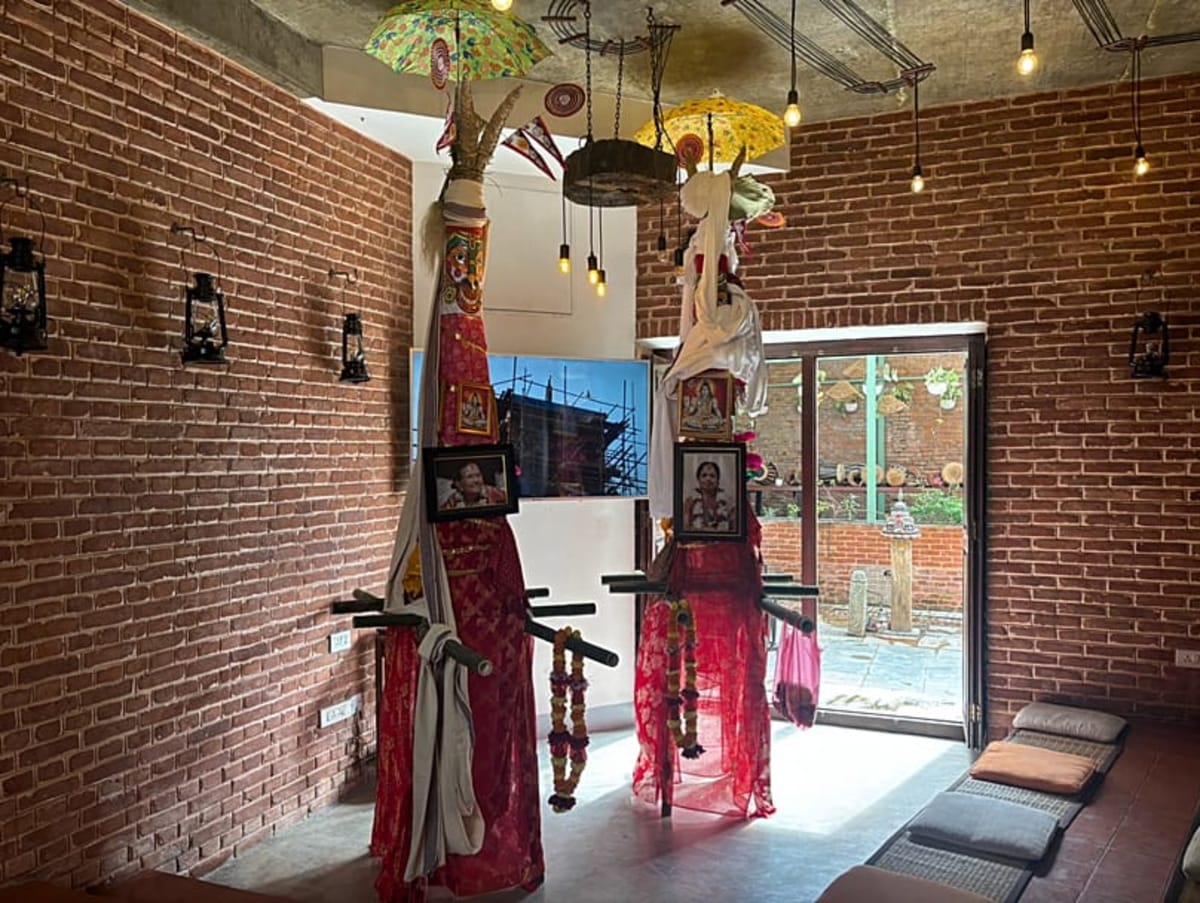
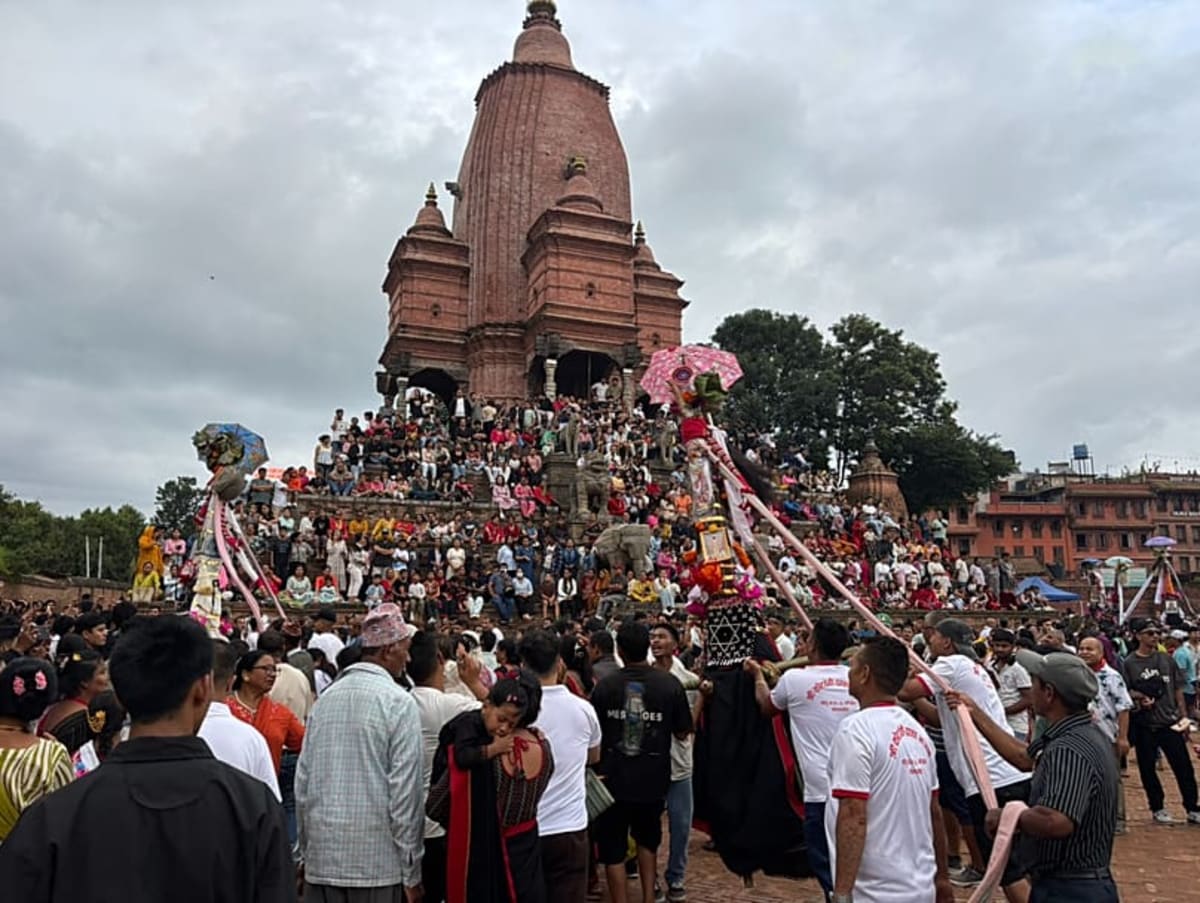
The preparation alone shows how grief becomes communal. Neighbors gather to build taha: sa, elaborate bamboo structures wrapped in cloth and topped with paintings of sacred cows. Red cloth honors women, white celebrates men, and each structure includes photos of the deceased, religious imagery, and a respectful umbrella for shade.
"In Nepal, everybody comes together and it's turned into this carnival, a real joyous moment of farewell," explains Ajay Bahadur Pradhanang, whose mother passed this year. Building each structure takes skill and many hands, making loss something no family faces alone.
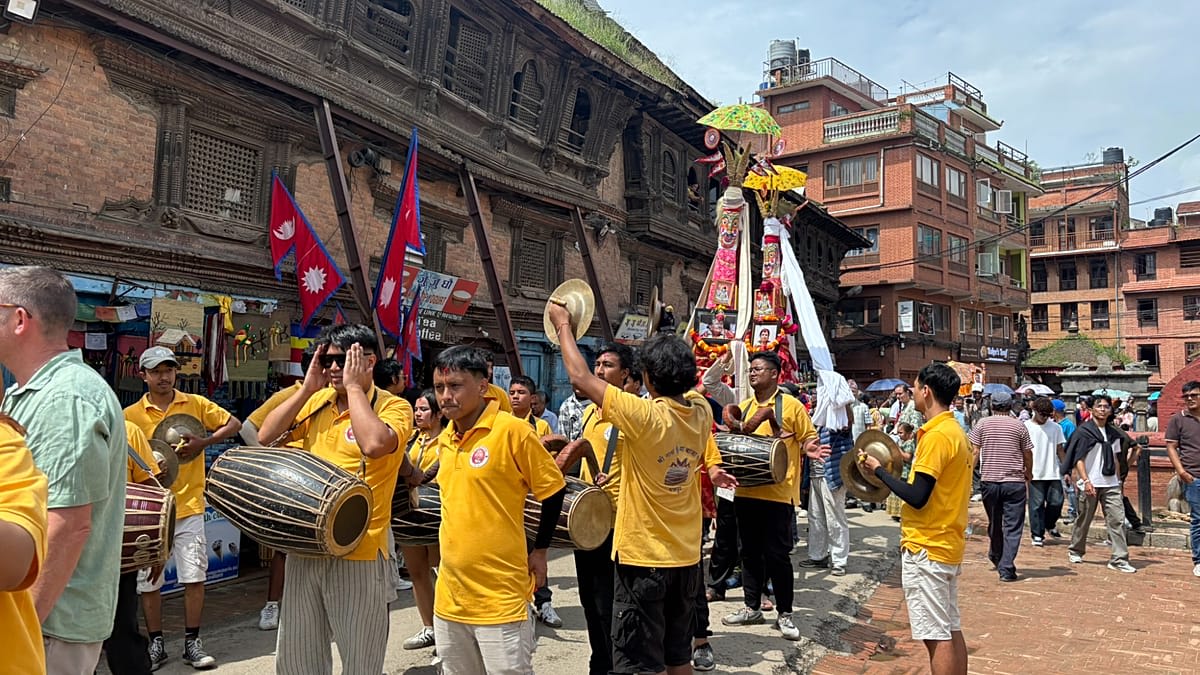
On festival day, the processions begin at dawn. Bamboo cows sway through narrow streets as dancers perform the Ghintang Ghisi, clashing sticks in rhythm while drums and bells echo off ancient walls. Some wear traditional dress while others sport football kits and Hawaiian shirts because the message is simple: come as you are.
The crowds grow dense as morning turns to afternoon, and separate processions merge into one moving river of celebration. Tourists and locals mix freely, with visitors welcome to join the dancing and learn the traditions firsthand.
The Ripple Effect
This festival's impact reaches far beyond a single day of mourning. Peepul Subedi, a local priest and cultural guide, explains the deeper meaning: "The whole city comes together, and every household who has lost someone will take out this structure. It represents the message that everyone has to die, and all of us are going through the same sort of sorrow."
By making grief public and joyful, Sa: Paru removes the isolation that often follows loss. Weeks after funerals end elsewhere, bereaved families might sit alone with their thoughts, but in Bhaktapur, entire neighborhoods spend days ensuring no one mourns in silence. The festival reminds both participants and observers that death is universal, and community support can transform how we process life's hardest moments.
Mano Dhaubhadel, who returned from the US after losing his younger brother, captures what makes this celebration special: "This is something you don't see anywhere else in the world. The culture here is just magnificent, and it's there for everyone to enjoy."
The festival doesn't deny sadness but insists that celebration and sorrow can coexist, offering the departed a joyous send-off toward salvation while the living dance together in shared humanity.
More Images

Based on reporting by Euronews
This story was written by BrightWire based on verified news reports.
Spread the positivity!
Share this good news with someone who needs it