Netherlands Activates First Hydrogen Pipeline Network
The Netherlands just switched on the first 32 kilometers of a hydrogen pipeline network that will eventually stretch across the country. This clean energy infrastructure proves hydrogen power has moved from future promise to present reality.
The Netherlands just made hydrogen energy real, not theoretical, by activating the first section of a nationwide pipeline network that could reshape how Europe powers its future.
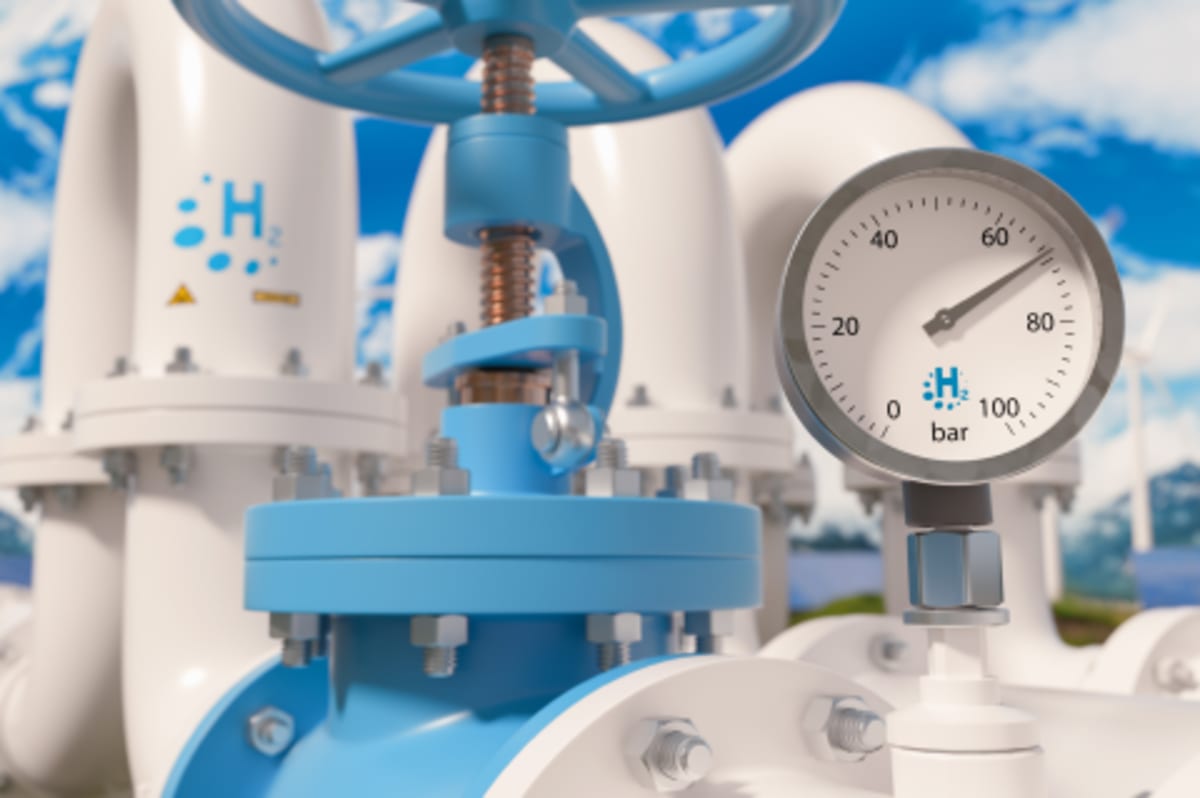
Dutch King Willem-Alexander ceremonially switched on a 32-kilometer hydrogen pipeline at the Port of Rotterdam this week, alongside Climate and Green Growth Minister Stientje van Veldhoven. The pipeline represents Europe's most tangible step yet toward replacing fossil fuels with clean hydrogen at industrial scale.
The newly activated stretch will soon carry green hydrogen from Shell's Holland Hydrogen 1 facility, a massive 200-megawatt plant powered entirely by offshore wind. That hydrogen will fuel Shell's refinery in the Pernis area, proving that major industrial operations can run on renewable energy sources.
State-owned operator Gasunie filled the pipeline with green hydrogen from Plug Power in January as part of testing. Shell expects to begin producing hydrogen at its wind-powered facility later this year, with full operations ramping up in 2027.
The activated section kicks off an ambitious plan to build 1,200 kilometers of hydrogen pipelines across the Netherlands. The brilliant part: most of the network will repurpose existing natural gas pipelines, dramatically cutting construction time and costs.
The Ripple Effect
This infrastructure does more than move molecules through pipes. It creates the foundation for a hydrogen marketplace that didn't exist before, giving industries a viable path away from fossil fuels.
The network positions the Netherlands as Europe's potential hydrogen hub, a role that carries both environmental and economic weight. Countries racing to meet climate targets need working examples of how to power heavy industry without carbon emissions.
"This network is of enormous importance for the Netherlands and for the opportunities it creates for a cleaner and more sustainable industry," Van Veldhoven said. The infrastructure also strengthens Europe's energy independence at a time when supply security matters as much as sustainability.
Gasunie CEO Willemien Terpstra captured the moment's significance perfectly: "The completion of the first section of the hydrogen network demonstrates that hydrogen is no longer a promise for the future, but tangible infrastructure that is already in place and ready for use."
The first 32 kilometers are now proving what the next 1,168 can achieve.
Based on reporting by Google News - Netherlands Technology
This story was written by BrightWire based on verified news reports.
Spread the positivity!
Share this good news with someone who needs it
%2Ffile%2Fauthors%2F1610682923998940344.jpg)